
International
South Korea Warns North Korea of ‘Resolute Punishment’ as Border Tensions Escalate

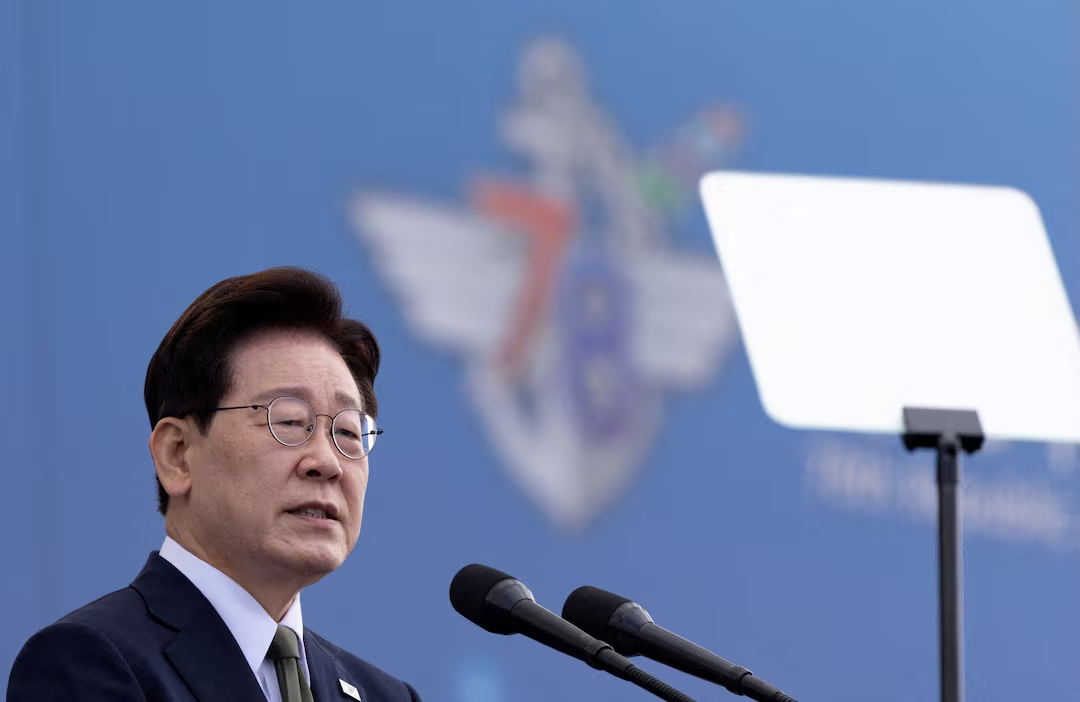
South Korea has warned North Korea of a firm military response if Pyongyang carries out threats to strengthen its military presence along their shared border, raising fears of renewed confrontation on the Korean Peninsula.
Seoul issued the warning on Tuesday, October 20, after North Korea threatened to deploy additional tactical strike weapons near the border and resume propaganda broadcasts directed at the South. The threats have intensified tensions along one of the world’s most heavily militarised frontiers.
In a statement, South Korea’s Defence Ministry described its warning shots and loudspeaker broadcasts near the Military Demarcation Line as legitimate defensive measures intended to prevent border incursions and protect its troops.
“If North Korea uses our legitimate measures as a pretext to carry out further provocations, we will punish it resolutely,” the ministry said, urging Pyongyang to stop what it described as unfounded accusations and halt incursions across the disputed boundary.
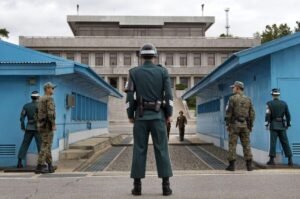
The warning followed remarks by Kim Yo Jong, the powerful sister of North Korean leader Kim Jong Un, who accused South Korean forces of endangering North Korean soldiers by firing warning shots while the North was carrying out border fortification work.
Kim also indicated that Pyongyang was considering resuming loudspeaker broadcasts towards South Korea, a move that could reverse efforts by South Korean President Lee Jae Myung to reduce tensions and revive diplomatic engagement between the two countries.
South Korea’s military leadership has responded by reinforcing its readiness along the frontier. Joint Chiefs of Staff Chairman Jin Young-seung visited a frontline military command and ordered measures to strengthen operational readiness in the Demilitarized Zone.
Jin accused North Korea of attempting to shift responsibility for escalating tensions onto Seoul. He also blamed Pyongyang for planting landmines that seriously injured South Korean soldiers in September, describing the incident as a clear provocation and a violation of the armistice agreement.
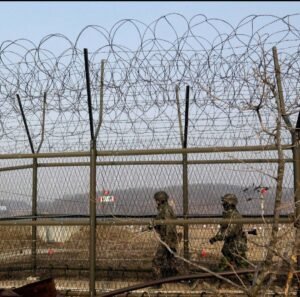
North Korea has denied responsibility for the mine explosions, according to reports by the Associated Press. The incident has become a major source of disagreement between the two governments, with Seoul demanding an apology and the removal of additional mines.
The latest confrontation is part of a broader effort by North Korea to reinforce its border defences. South Korean officials say Pyongyang has been installing mines and barriers since April 2024, deploying thousands of workers to strengthen its side of the frontier.
South Korea has reported approximately 50 incidents in which North Korean personnel crossed the Military Demarcation Line this year. Such incidents can trigger dangerous confrontations when troops interpret movements near the border as hostile actions.
Analysts warn that the exchange of threats, warning shots and military manoeuvres increases the possibility of an unintended clash. Troops could mistake warning fire for an actual attack, potentially prompting retaliatory action before either side has time to clarify its intentions.
The tensions also threaten diplomatic progress made since Lee took office. His administration has sought to reduce military confrontation and reopen channels of communication with Pyongyang, including by ending certain propaganda activities along the border.
However, North Korea’s latest threats suggest that relations remain fragile, with disagreements over border security and military operations undermining attempts to ease hostility.
With both sides maintaining a heightened military posture, regional observers are concerned that even a minor incident could escalate rapidly. The situation has renewed calls for restraint, clearer military communication and diplomatic efforts to prevent further deterioration in relations between the two Koreas.