
International
Alberta Rejects Move Toward Independence From Canada in Victory for Carney

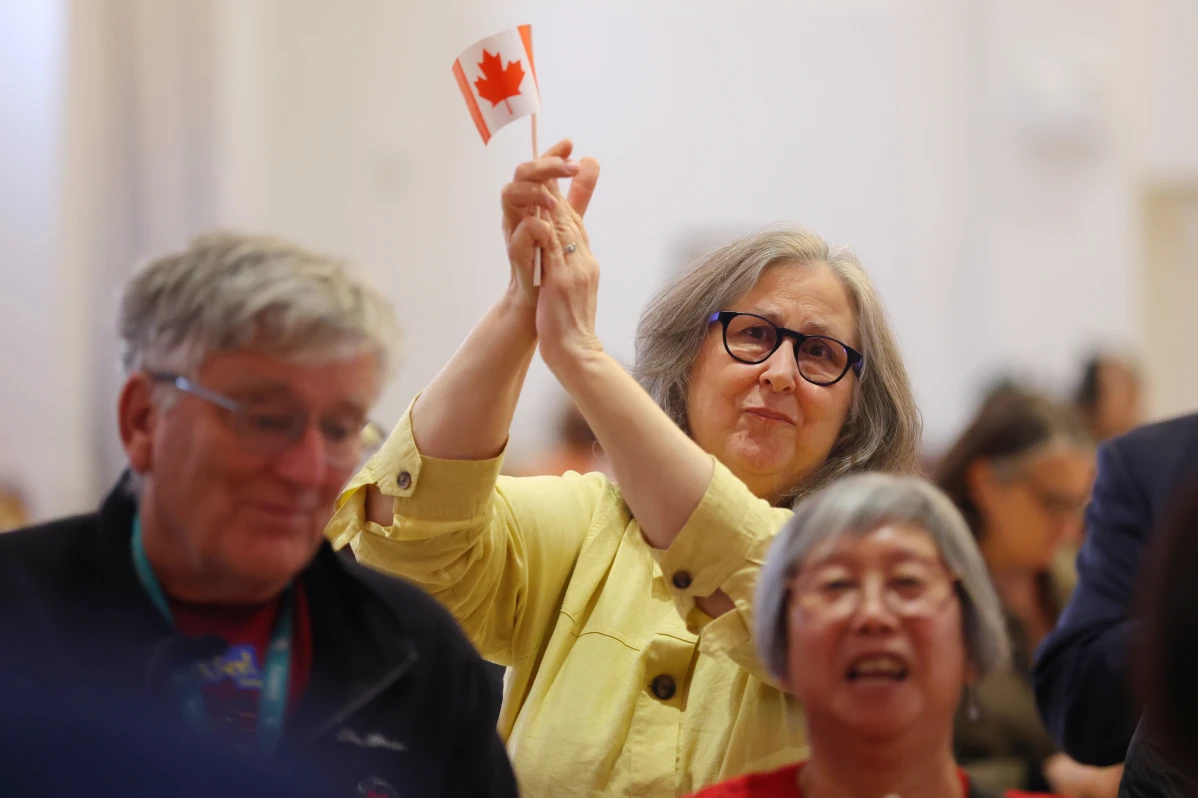
Voters in Canada’s oil-rich province of Alberta have overwhelmingly rejected a proposal to begin a process that could lead to independence, delivering a political victory for Prime Minister Mark Carney and supporters of Canadian unity.
Early results from the referendum held on Monday, October 19, showed approximately 76 per cent of voters favoured remaining in Canada, while about 24 per cent supported beginning the process toward a future separation vote. The results were reported by the Associated Press and Reuters as counting continued.
The vote was not a direct referendum on independence. Instead, Albertans were asked whether the provincial government should begin the legal process for holding a future binding referendum on whether the province should leave Canada.
Carney welcomed the outcome, describing it as a clear endorsement of national unity. He said the result would allow the country to focus on diversifying trade, developing major infrastructure projects and strengthening Canada’s position as a global energy powerhouse, with Alberta playing a central role.
“Above all, Albertans chose Canada,” Carney said, following the release of the early results.
The outcome is a significant boost for the prime minister, who grew up in Edmonton, Alberta, and had urged voters to reject the separatist proposal. His campaign for national unity has unfolded against the backdrop of US President Donald Trump’s trade war with Canada and repeated threats to make the country the 51st state of the United States.
Alberta, which holds some of the world’s largest proven oil reserves, has long been a conservative stronghold. Many residents have expressed frustration with the federal government in Ottawa over energy regulations, environmental policies, taxation and the province’s treatment within the Canadian federation.

Those grievances have helped fuel a separatist movement that gained momentum following anger over COVID-19 restrictions and disagreements with previous federal administrations.
Alberta Premier Danielle Smith, who opposes independence, called the referendum amid pressure from separatist factions within her governing United Conservative Party. She welcomed the early results, saying Albertans had voted for a stronger province within a united Canada.
“Albertans have voted for a stronger Alberta in a united Canada,” Smith said in a social media post.
Former Alberta deputy premier Thomas Lukaszuk, who led the pro-Canada Forever Canadian campaign, also welcomed the result, arguing that the province’s future would be stronger as part of the country.

Separatist leaders, however, indicated that the movement would continue despite the setback. Keith Wilson, one of the campaign’s prominent figures, argued that the vote showed a substantial number of Albertans wanted the province to receive better treatment from Ottawa.
The referendum also exposed divisions within Alberta’s political establishment, with Smith attempting to balance opposition to separation against demands from supporters who believe the province should exercise greater control over its resources, finances and constitutional powers.
Voting was delayed at more than 100 polling stations after late openings required officials to extend voting hours. More than 1.35 million Albertans had cast advance or special ballots, representing approximately 43 per cent of eligible voters, according to reported figures.
The result does not immediately settle the wider dispute over Alberta’s relationship with the federal government. Questions about provincial autonomy, oil production, federal environmental rules and revenue distribution are likely to remain central to Canadian politics.
Nevertheless, the strong early rejection of the proposal represents a setback for separatists and gives Carney an opportunity to advance his efforts to strengthen national unity at a time of heightened economic and political pressure from the United States.