
Religion
Catholic Bishops Regret Trump Prayer Photo, Accuse White House of Political Exploitation

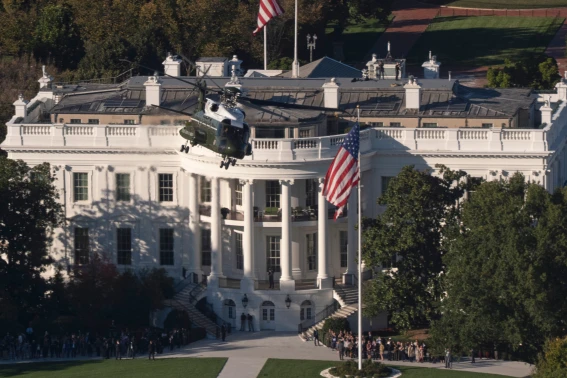
Two senior Catholic bishops in the United States have expressed regret over their participation in a prayer meeting with President Donald Trump after the White House publicly released photographs and video of the encounter, which they say was presented in a politically damaging way.
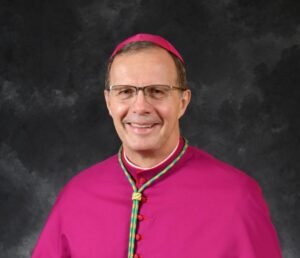
Milwaukee Archbishop Jeffrey Grob and Des Moines Bishop William Joensen said the meeting, held at the White House on October 22, was intended to provide an opportunity to discuss issues affecting the Catholic Church and its members, rather than endorse Trump, his policies or the Republican Party.
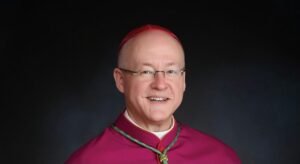
In a public apology issued on Sunday, Grob said the gathering had been presented as a political event after the administration released images of the bishops praying with the president without obtaining their permission for public distribution.
“I feel a heavy sadness, not only over the pain I caused, but also for the fact that something so sacred to a group of religious leaders, prayer to our Heavenly Father, would be manipulated in that way,” Grob said.
The archbishop explained that he and 11 other bishops had accepted an invitation to discuss issues including immigration enforcement, religious worker visas, human dignity, abortion and federal tax credits for private education. They had been told the meeting would be private and that there might be an opportunity to pray with the president.
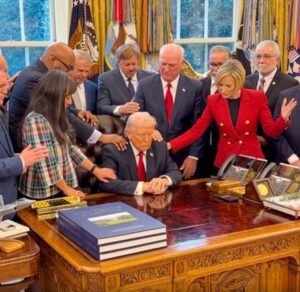
According to Grob, the bishops were taken into the Oval Office after a discussion with White House domestic policy staff and advisers. Trump greeted them, presented commemorative tokens and then directed them to stand behind him for prayer. Photographs were taken, and a video was also recorded without the group being informed, he said.
Grob said the images prompted concerns from Catholics who believed the bishops had inadvertently participated in a political event less than two weeks before the November 3 US midterm elections. He also received messages from people who felt hurt because of the effects of Trump administration policies on them and their families.
“I did not go without reservations. I wish I had heeded them,” he said, apologising for any damage his actions had caused.
Joensen also criticised the way the encounter was publicised, saying he wished he had been more alert to the possibility that the meeting would be exploited for partisan political purposes. He nevertheless maintained that he remained willing to engage with and pray for political leaders.
The controversy has raised questions about the boundary between religious engagement with government officials and the use of religious imagery to convey political support. The meeting took place at a sensitive time, with the midterm elections approaching and public debate continuing over the Trump administration’s immigration policies and other issues affecting Catholics.
The US Conference of Catholic Bishops clarified that it had not organised the meeting and was not affiliated with the gathering. The conference has publicly raised concerns about aspects of the administration’s policies, including immigration enforcement.
The White House did not directly answer questions about whether it had obtained the bishops’ permission to release the photographs and video. Instead, spokeswoman Taylor Rogers defended Trump’s record, saying: “There has never been a greater president for Catholic Americans than President Trump, and his strong record proves it.
The meeting also exposed divisions within Catholic circles over engagement with the administration. Some religious leaders have defended prayer for elected officials as a longstanding pastoral practice that does not amount to political endorsement, while critics argue that releasing such images shortly before an election risks making the Church appear aligned with a political party.
The bishops’ statements underline the challenge facing religious leaders seeking dialogue with political authorities while preserving the Church’s independence and credibility among people who disagree over government policy.
Neither Grob nor Joensen said they opposed praying for political leaders. Their objection centred on how the encounter was publicised and the impression it created about their political allegiance.