
World News
Sudan Hunger Crisis Deepens as US and Allies Call for Emergency Humanitarian Assistance

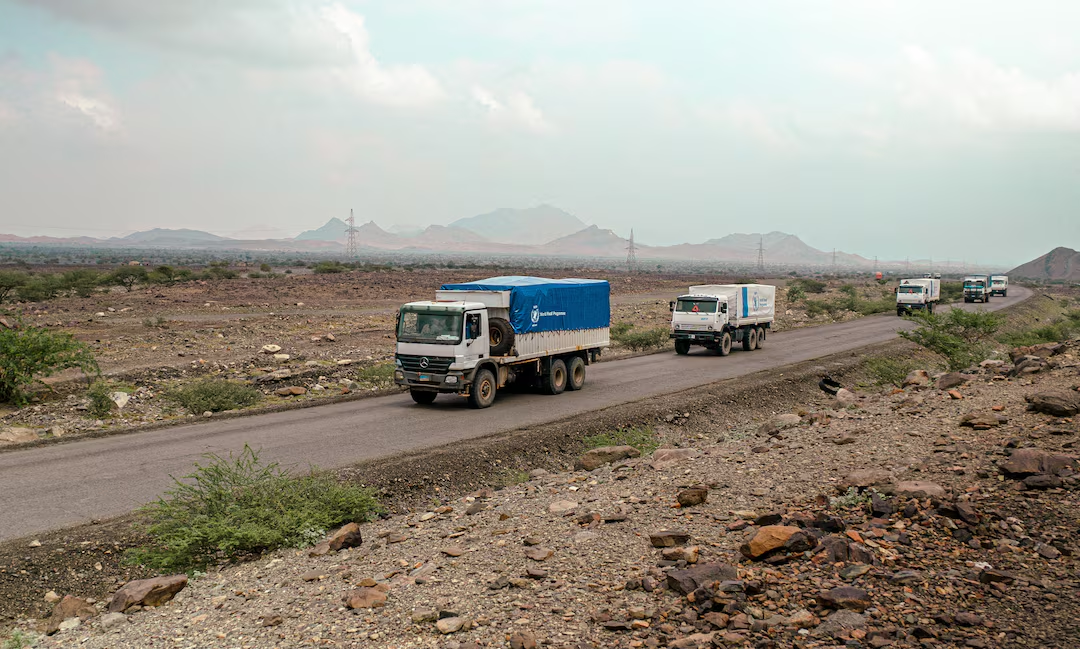
The United States, major European powers and dozens of other countries have warned of a worsening food crisis in Sudan, calling on the country’s warring parties to remove restrictions on humanitarian assistance and allow urgent relief to reach millions facing hunger.
In a joint statement released by the US State Department on October 26, the governments warned that the risk of famine in the coming months required immediate international action, as conflict, displacement and worsening drought continue to undermine food supplies across the country.
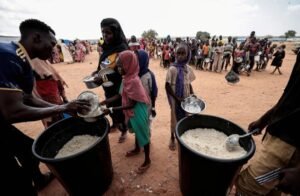
The statement estimated that 19.5 million people, representing 41 per cent of Sudan’s population, were experiencing high levels of acute food insecurity. Of this number, approximately five million were facing emergency levels of hunger.
The governments also warned that the number of children suffering from severe acute malnutrition could exceed 825,000 without urgent intervention. The number of areas facing food insecurity, initially assessed at 14, was also expected to double if the situation continued to deteriorate.
The statement was endorsed by the United States, the United Kingdom, Canada, Australia, the European Commission and more than two dozen European governments, including France, Germany, Italy and Spain.
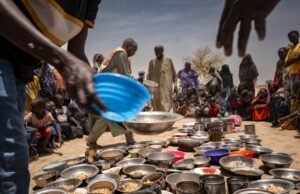
The countries identified the conflict as the principal driver of Sudan’s hunger crisis, saying fighting had displaced millions, damaged critical infrastructure and disrupted healthcare, agricultural production, supply chains and markets.
They also pointed to restrictions on humanitarian operations and the effects of El Niño, which have contributed to reduced rainfall and drought across more than half of Sudan.
The governments urged the Sudanese Armed Forces and the paramilitary Rapid Support Forces (RSF), which have been fighting since April 2023, to permit full, safe and unhindered humanitarian access.
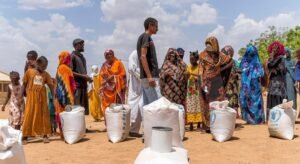
They called for aid operations to be authorised through all cross-line and cross-border routes, including air access into Darfur, to accelerate the delivery of relief supplies and enable medical evacuations for humanitarian workers.
The statement further urged the warring parties to protect aid personnel, reduce bureaucratic delays affecting humanitarian operations and refrain from attacking civilian infrastructure, particularly agricultural facilities and food systems essential to the survival of affected communities.
The international partners also appealed for increased humanitarian funding, urging development and financial institutions to adjust their programmes to address the deteriorating food security situation and prioritise the areas most in need.
They stressed the importance of supporting Sudan’s winter cropping season and strengthening locally led responses to help prevent further deterioration in food supplies.
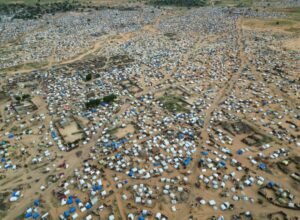
Sudan’s war has triggered one of the world’s largest displacement and humanitarian crises, forcing millions of people from their homes and leaving many dependent on emergency assistance. Aid agencies have repeatedly warned that insecurity, restricted access and funding shortages are limiting their ability to reach vulnerable communities.
The latest warning underscores growing international concern that the combination of continued fighting, disrupted food production and inadequate humanitarian access could push more communities towards famine.
The signatory governments said urgent action was necessary to prevent further loss of life and ensure life-saving assistance reaches those most affected by the conflict.