
International
Trump Defends Deportation Policy as ‘Very Strong’, Rules Out Amnesty

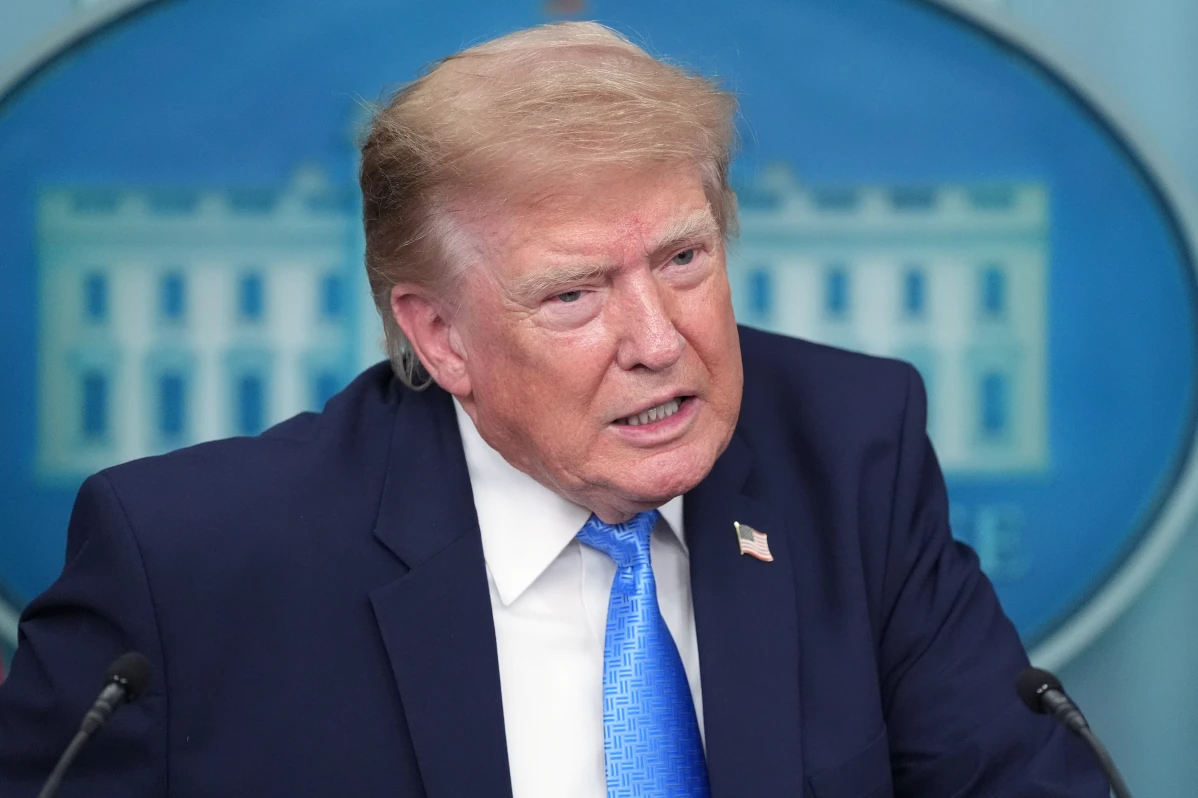
US President Donald Trump has defended his administration’s deportation policy as “very strong” and ruled out granting amnesty to undocumented immigrants, days after acknowledging that his aggressive immigration crackdown may have been too tough on some people.
Speaking to reporters at the White House on Monday, November 9, Trump insisted that his administration had no plans to change its immigration enforcement strategy, despite suggesting during a television interview that the policy had contributed to Republican losses in last week’s midterm elections.
“We have a very strong deportation policy. There’s no amnesty, no, no anything. We keep that, but we focus on the worst of the worst,” Trump said.
His latest remarks followed an interview with CBS’s 60 Minutes, which aired on Sunday, November 8, during which he admitted that the administration’s deportation drive may have gone too far by targeting immigrants who had lived and worked in the United States for years.
Trump acknowledged that some undocumented immigrants had established businesses, secured employment and paid taxes, suggesting that their circumstances deserved consideration.
He also indicated that he was willing to work with Democrats on an immigration agreement that could allow some long-term residents to remain in the country.

However, his latest comments appear to have drawn a distinction between possible immigration reforms and what he described as amnesty.
Trump said his administration would continue prioritising the deportation of people involved in serious crimes, particularly murderers and drug traffickers.
He also acknowledged that some undocumented immigrants had become productive members of American society.
“Many of them have good jobs now. They’re productive. Some of them are even paying taxes, and we’re seeing what’s going to happen,” he said.
The president’s shifting tone comes after Republicans suffered significant setbacks in the November 3 midterm elections, with voters expressing dissatisfaction with the administration’s immigration enforcement tactics.
According to an Associated Press voter survey, approximately six in 10 voters believed the administration’s immigration enforcement actions had gone too far, while a similar proportion disapproved of the performance of Immigration and Customs Enforcement (ICE).
The election results have increased pressure on the Trump administration to reconsider aspects of its immigration strategy, particularly as Democrats prepare to take control of both chambers of Congress.
Trump’s comments have also drawn attention because of his recent appointment of Stephen Miller, a leading architect of the administration’s hardline immigration agenda, as White House chief of staff.
The appointment has raised questions about whether the administration intends to soften its approach or maintain its aggressive deportation campaign despite growing political opposition.
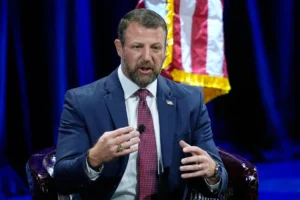
Meanwhile, Homeland Security Secretary Markwayne Mullin has also expressed opposition to amnesty while indicating that he is open to bipartisan discussions on immigration reform.
Mullin said he had received calls from Democratic lawmakers interested in working together on the issue but maintained that any agreement should not include amnesty.
He also pointed to the Deferred Action for Childhood Arrivals (DACA) programme, suggesting that decisions about possible legal status for people covered by the programme would ultimately rest with Congress.
The administration’s latest position highlights the challenge of reconciling Trump’s campaign promise of mass deportations with growing public concerns about the treatment of long-term undocumented residents and the political consequences of its enforcement strategy.