
War
Australian Farmers Cut Wheat Production as Iran War Costs and Drought Bite Hard

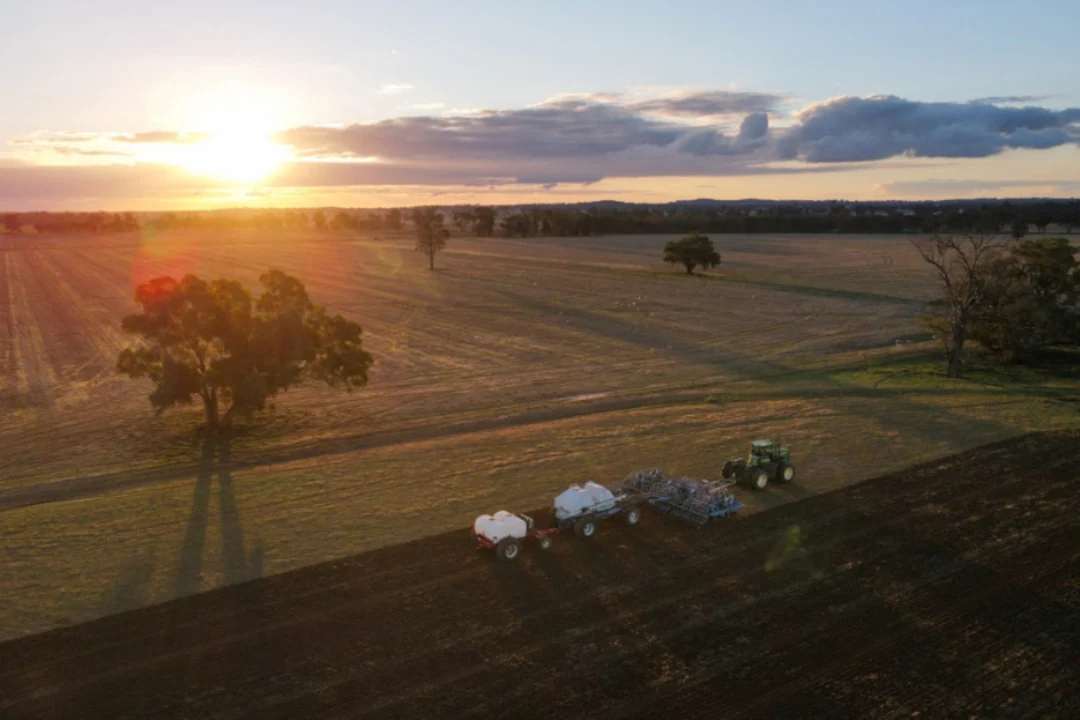
Farmers across Australia are reducing wheat cultivation amid soaring production costs linked to the ongoing Iran conflict and worsening dry weather conditions, raising fears of lower global grain supplies and higher food prices.
According to multiple international reports, Australian growers are grappling with sharp increases in diesel and fertilizer prices, largely driven by disruptions caused by the war involving Iran and instability around the Strait of Hormuz; a major global shipping route for energy and fertilizer exports.
Industry analysts say the rising cost of urea fertilizer and fuel has forced many farmers to scale back wheat planting or switch to less fertilizer-intensive crops such as barley and pulses. Some forecasts suggest Australia’s wheat-growing area could shrink significantly this season, with harvest volumes expected to decline sharply if dry conditions persist.
Adding to the crisis is a prolonged spell of below-average rainfall across key farming regions in Western and South Australia. Experts warn that the expected El Niño weather pattern could worsen drought conditions in the months ahead, threatening crop yields even further.
Australia is one of the world’s largest wheat exporters, supplying grain to markets across Asia, the Middle East, and Africa. Any major drop in production could tighten global supply chains and contribute to rising food inflation internationally.
In response to supply chain disruptions, the Australian government has reportedly moved to secure additional fertilizer imports from countries such as Brunei while seeking alternative fuel supplies from China to stabilize domestic agricultural production.
Agricultural groups have urged the government to provide more support for farmers facing mounting operational costs, warning that continued pressure on fuel, fertilizer, and weather conditions could have long-term impacts on Australia’s farming sector and food security worldwide.