
International
Indonesia Parliament Passes Law Allowing Police Officers to Serve in Civilian Government

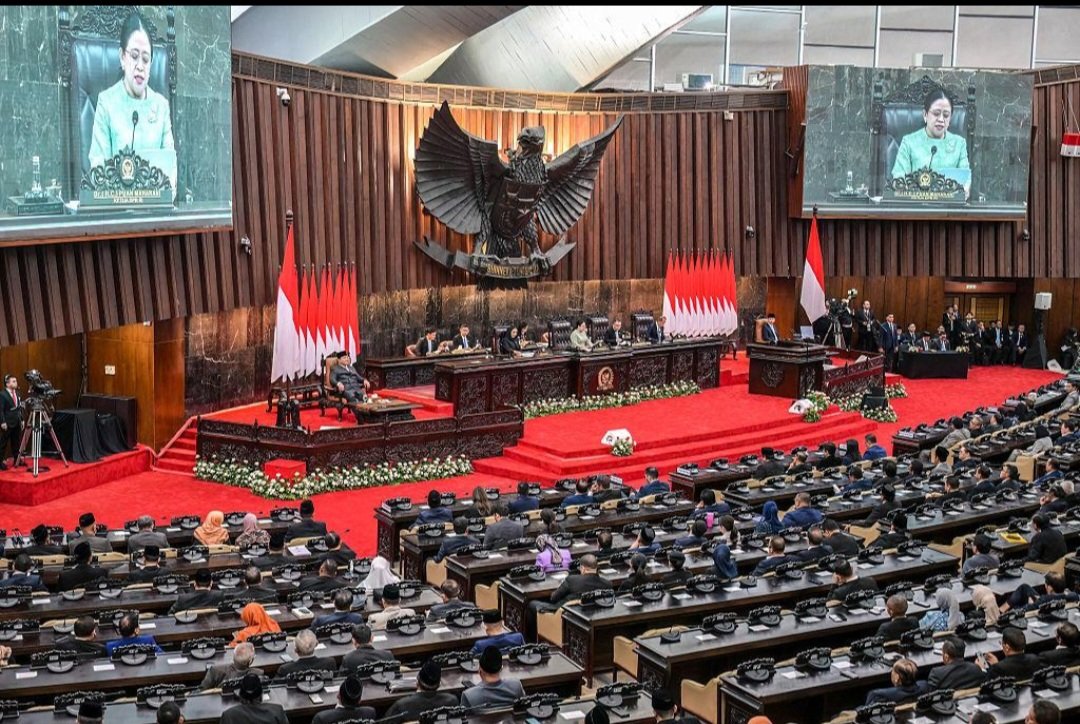
Indonesia’s parliament has approved amendments to the country’s national police law, allowing active police officers to take up civilian government positions without resigning from the police force, a move that has sparked debate among lawmakers, rights groups, and governance experts.
The legislation, passed unanimously by parliament, permits serving police officers to be appointed to ministries, state agencies, and other government institutions where their roles are considered relevant to police duties such as public security, law enforcement, and public service. The law also allows appointments at the request of the president or government ministries when police expertise is deemed necessary.
The amendment follows a similar reform enacted last year that expanded civilian roles for members of the military under President Prabowo Subianto’s administration. Since taking office in 2024, Prabowo has increased the involvement of security institutions in government programmes, including food security and social welfare initiatives.
Government officials have defended the measure, arguing that it will improve coordination between state institutions and make public services more responsive. Supporters say the reform reflects the growing need for experienced law enforcement personnel in government operations.

However, the law has drawn criticism from civil society organisations, including Amnesty International Indonesia, which warned that expanding the role of active police officers in civilian institutions could weaken democratic oversight and blur the line between security forces and civilian governance. Critics also argue that the changes risk undermining police professionalism and could increase the influence of security agencies in politics and public administration.

In addition to allowing broader government appointments, the revised law extends the retirement age for police personnel by one year. The changes are expected to take effect after formal implementation procedures are completed.
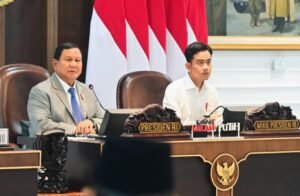
The development is likely to fuel ongoing debate in Indonesia over the balance between security, governance, and democratic accountability as the government pursues broader institutional reforms.