
World News
Kuwait Accuses Iran of Attack on China-Linked Island Port Ahead of Trump-Xi Meeting

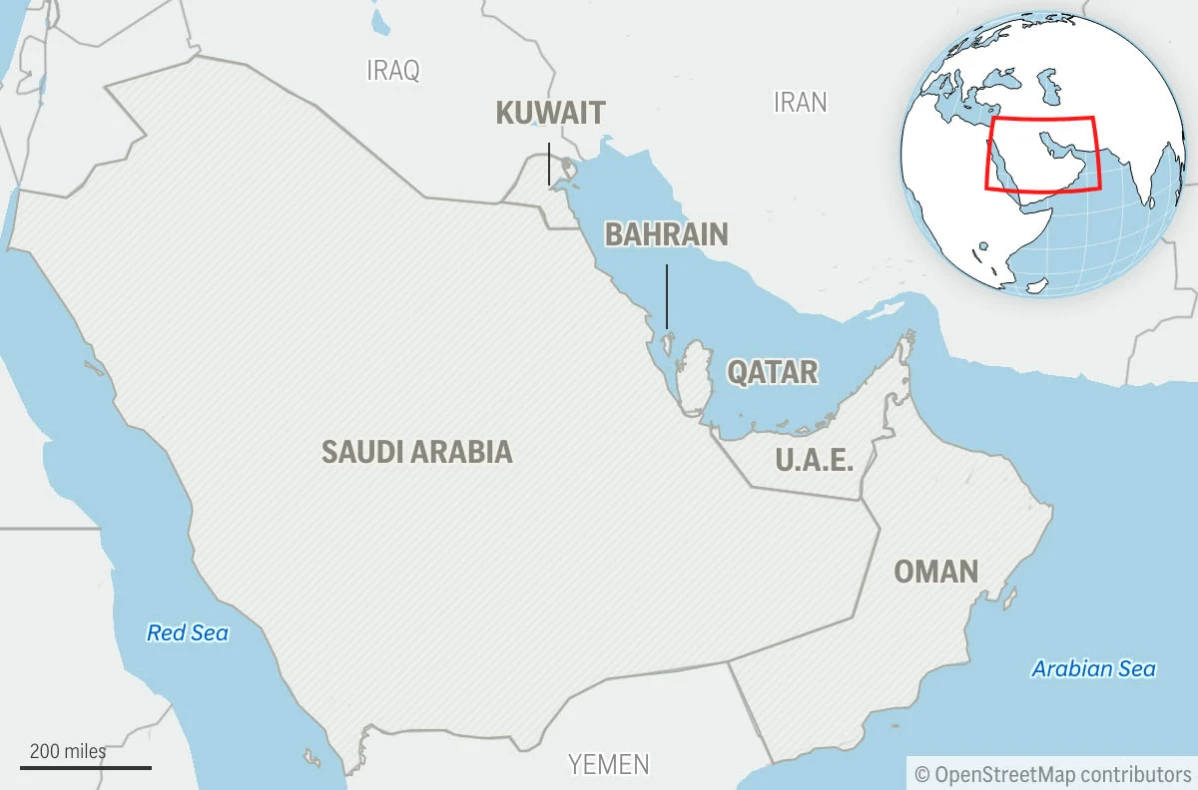
Kuwait has accused Iran of sending an armed Revolutionary Guard team to carry out a failed attack on Bubiyan Island, a strategically important Gulf island hosting a China-funded port project, just days before U.S. President Donald Trump’s planned visit to Beijing for talks with Chinese President Xi Jinping.
According to Kuwaiti authorities, six armed men linked to Iran’s Islamic Revolutionary Guard Corps (IRGC) attempted to infiltrate Bubiyan Island on May 1 to carry out what officials described as “hostile acts.” Kuwaiti security forces reportedly intercepted the group, arresting four suspects while two escaped during the confrontation. One Kuwaiti security officer was wounded in the incident.
Kuwait identified the detained suspects as two IRGC naval captains, a naval lieutenant and an army lieutenant. The government did not immediately provide detailed evidence publicly linking the operation to Tehran, but officials insisted the suspects were members of Iran’s paramilitary forces.
Iran has not officially responded to the accusation. However, the allegations come amid already heightened tensions in the Gulf following months of military confrontations involving Iran, Israel and the United States. Analysts say the latest claims risk further destabilizing the region despite a fragile ceasefire currently in place.
Bubiyan Island is home to the Mubarak Al Kabeer Port project, a major development backed by China under its Belt and Road Initiative. The port is expected to become a critical logistics hub linking Gulf shipping routes with broader Asian and global trade networks.
The timing of Kuwait’s accusation has drawn particular attention because it comes shortly before Trump’s scheduled summit with Xi in Beijing, where discussions are expected to include Iran, regional security and energy supplies. China remains one of the largest buyers of Iranian oil despite U.S. sanctions, and disruptions around the Strait of Hormuz have raised concerns over global energy markets.
The allegations also surfaced as U.S. Ambassador to Israel Mike Huckabee publicly confirmed that Israel deployed Iron Dome missile defense systems and personnel to the United Arab Emirates during the recent regional conflict. The revelation highlighted growing military cooperation between Israel and Gulf Arab states wary of Iranian influence.
Meanwhile, Bahrain announced prison sentences against more than two dozen people accused of collaborating with Iran’s Revolutionary Guard, underscoring broader Gulf concerns over alleged Iranian-linked operations across the region.
Security experts warn that any escalation involving Gulf ports and shipping infrastructure could threaten one of the world’s most critical energy transit routes, especially as the Strait of Hormuz remains central to global oil exports.