
Entertainment
Legendary Jazz Musician Sonny Rollins Dies, Age 95

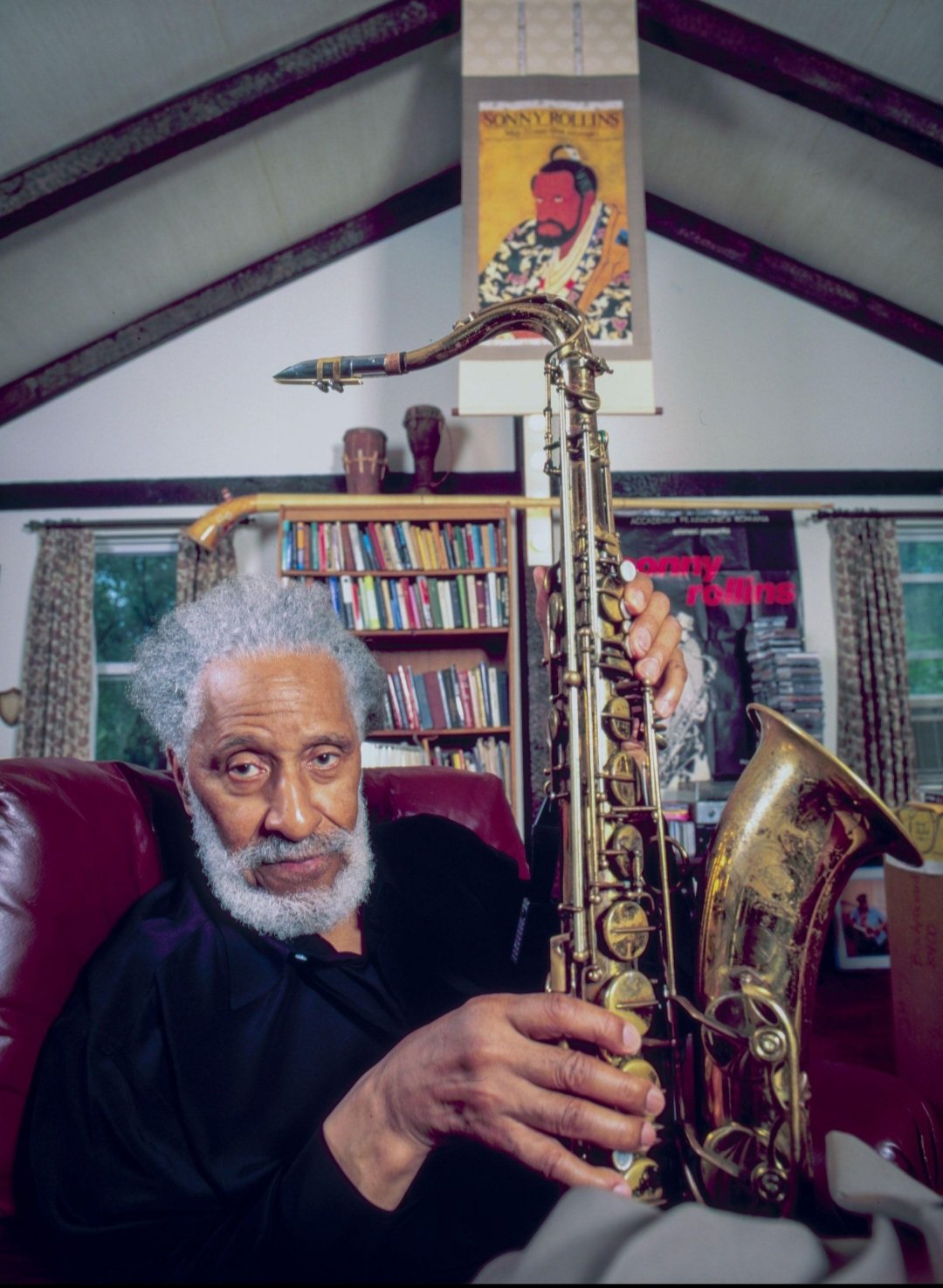
Sonny Rollins, the towering figure of modern jazz and one of the most influential tenor saxophonists in music history, has died at the age of 95, according to his family and representatives.


Widely regarded as a “restless genius” of jazz, Rollins reshaped the sound of the tenor saxophone across more than seven decades, leaving behind a legacy defined by improvisation, innovation, and relentless artistic exploration.

Born Theodore Walter Rollins in New York City in 1930, Sonny Rollins emerged in the 1950s as one of jazz’s most original voices, performing alongside legends such as Miles Davis, Thelonious Monk, and Max Roach.
His breakout period came with landmark recordings including Saxophone Colossus (1956), widely considered one of the greatest jazz albums ever recorded. The album’s extended improvisations, particularly the track “St. Thomas,” helped redefine modern jazz performance.
Rollins became known for his fearless approach to improvisation, often taking long breaks from public performance to refine his sound, a rare practice that earned him both criticism and admiration.
In 1961, Rollins famously retreated from the jazz scene and practiced alone for nearly two years, often on the Williamsburg Bridge in New York City. When he returned, his music had evolved into a more expansive, spiritual, and experimental form.
This period cemented his reputation as an artist unwilling to compromise, constantly pushing the boundaries of jazz expression.
Over his lifetime, Rollins recorded dozens of albums and influenced generations of musicians across jazz, hip-hop, and contemporary music.
His improvisational style; marked by bold melodic invention and emotional depth, remains a blueprint for saxophonists worldwide.
Even into his later years, Rollins continued to perform selectively, maintaining a presence in the global jazz community while largely stepping back from touring.
Following news of his death, tributes are expected from musicians, cultural institutions, and fans around the world. Many are already describing him as one of the last true giants of jazz’s golden era.
His passing marks the end of an era, but his recordings continue to define what jazz can be at its highest level of expression.