
Crime
Nearly 30 Years Later, Tupac Shakur Murder Trial Begins in Las Vegas

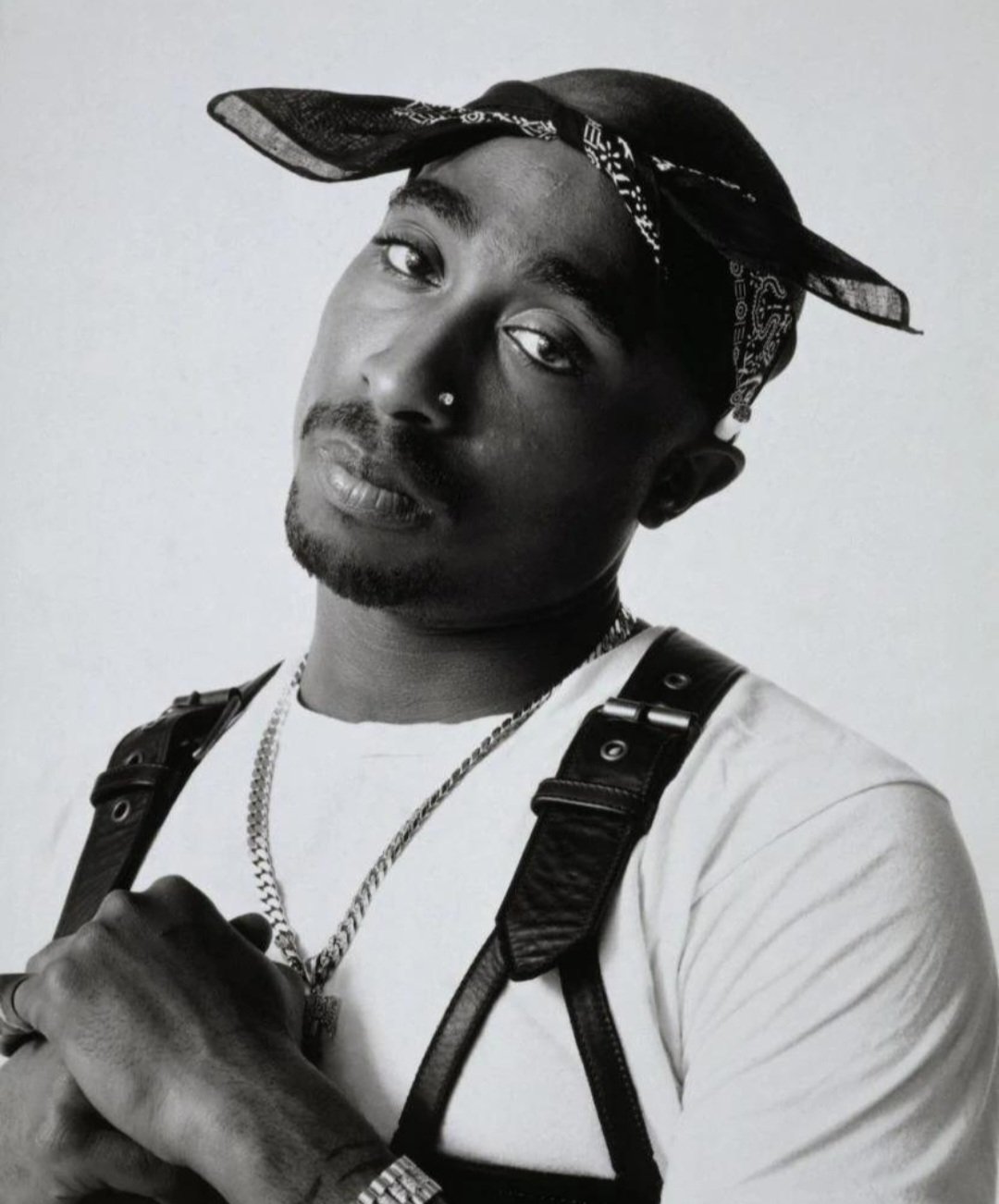
Nearly three decades after the fatal shooting of hip-hop icon Tupac Shakur, the long-running murder case has finally reached trial in Las Vegas, with former gang leader Duane “Keffe D” Davis facing a jury over his alleged role in orchestrating the 1996 killing.
Jury selection is beginning Monday, August 10, in Clark County District Court, marking a major development in one of the most notorious unsolved murders in American music history. Davis, 63, has pleaded not guilty to a charge of murder with a deadly-weapon enhancement tied to gang activity.
Prosecutors allege that Davis helped organize the drive-by attack and supplied the weapon used to kill Shakur. Davis is not accused of being the gunman. Investigators have long struggled to establish who actually fired the shots that struck the rapper.
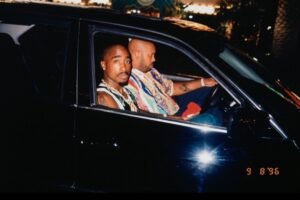
Shakur, 25, was riding in a BMW driven by Death Row Records co-founder Marion “Suge” Knight on the night of September 7, 1996, when a white Cadillac pulled alongside them at a Las Vegas intersection.
Gunmen opened fire, striking Shakur multiple times. Knight was also wounded.
Shakur was taken to University Medical Center in Las Vegas, where he died six days later, on September 13, 1996.
The killing became deeply intertwined with the bitter East Coast-West Coast hip-hop rivalry of the 1990s, involving artists and record labels associated with competing groups and gangs. Yet despite years of speculation, the case remained unsolved for decades.
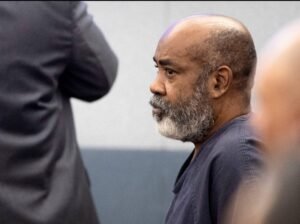
The case changed dramatically after Davis began publicly discussing his alleged involvement.
Davis has previously acknowledged that he was inside the Cadillac from which the shooting occurred. In his 2019 memoir, “Compton Street Legend,” he described being involved in the events surrounding Shakur’s killing and said he supplied the gun.
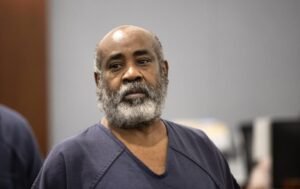
Prosecutors are expected to rely heavily on Davis’ own statements, including interviews with law enforcement and material from his memoir. A Nevada judge recently ruled that a 2008 police interview Davis gave could be presented to jurors.
The judge also ruled in June that Davis’ memoir could be used as evidence despite efforts by his defence team to have it excluded.
Davis’ lawyers have argued that his previous accounts should not be treated as straightforward confessions.
His defence has challenged the reliability and admissibility of statements made over the years, arguing that some were made for publicity or financial purposes.
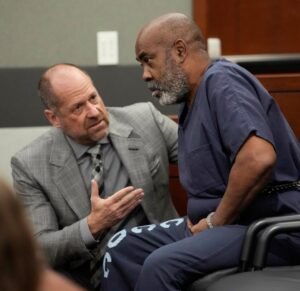
Davis has also denied being the person who killed Shakur. In a recent interview ahead of trial, he said he had nothing to do with the murder and claimed to know who was responsible.
The prosecution, however, is expected to argue that Davis’ repeated statements and his position within the gang provide evidence that he helped plan the attack.
If convicted, Davis faces life in prison without parole.
Shakur’s death has remained a subject of intense fascination for fans, investigators and the wider music industry.
The rapper’s murder came at the height of his career. Known professionally as 2Pac, Shakur had become one of the most influential figures in hip-hop through albums including All Eyez on Me and Me Against the World, while also building a successful acting career.
His death, followed by the murder of rival rapper The Notorious B.I.G. in Los Angeles six months later, helped cement the era’s reputation for violence and unresolved questions.
For nearly 30 years, numerous theories circulated about who ordered and carried out Shakur’s killing. Davis’ eventual arrest in September 2023 represented the first major criminal prosecution directly connected to the case.
The proceedings could last several weeks. Prosecutors are expected to call witnesses who can testify about the events leading up to the shooting, the history between the people involved and Davis’ alleged role.
Potential witnesses include prominent figures connected to Las Vegas and the 1990s hip-hop world. AP reports that former Las Vegas mayor Oscar Goodman, former Nevada governor Joe Lombardo and Marion “Suge” Knight are among people identified in connection with the case, although not everyone listed is necessarily expected to testify.
The trial will ultimately focus on a question that has remained unanswered for generations of hip-hop fans: Did Duane Davis help orchestrate the attack that killed Tupac Shakur?
For Shakur’s family and millions of fans around the world, the proceedings represent a long-awaited opportunity for the circumstances surrounding his death to be examined in court.