Security
Nigeria Unveils AI-Powered Defence Revolution with $190 Million Drone and Surveillance System

Nigeria is spearheading a major military modernisation drive, signing a landmark $190 million deal for an artificial intelligence-powered national defence system while simultaneously unveiling its first indigenously manufactured combat drones. The sweeping upgrades come as security officials acknowledge that terrorist groups are already deploying their own drones and AI tools on the battlefield.
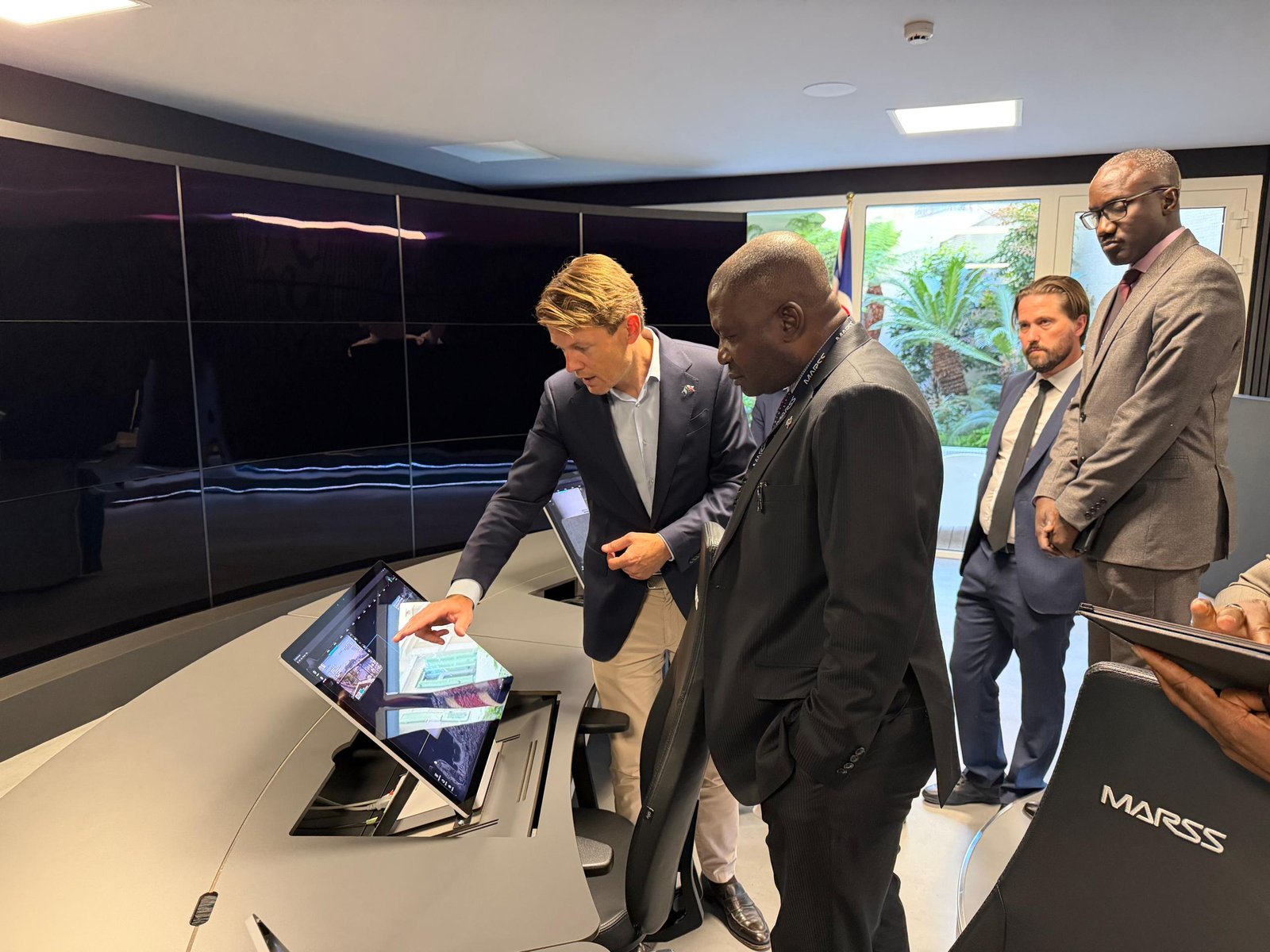
The most significant development is a contract between the Nigerian Ministry of Defence and UK-based company MARSS, which will deliver the country’s first fully integrated national defence architecture powered by the NiDAR AI-driven C4I solution. The programme, valued at over $190 million, includes a new national command centre, regional command hubs, and a fleet of unmanned aerial vehicles capable of operating in hostile territory.
Rob Balloch, Chief Growth Officer at MARSS, highlighted the scale of the project. “By integrating expeditionary vehicles, regional centres, and a new national headquarters into a single C4I tactical picture, NiDAR will provide a multi-dimensional layered defence capability that is both scalable and future-proofed in the fight against terrorism,” Balloch said.
The system features NiDAR Nation Shield technology, which allows operators in expeditionary vehicles, drone pilots, and commanders in regional and national hubs to work from the same real-time operational picture, enabling faster decision-making at tactical, operational, and strategic levels. Autonomous Mission Management capabilities will also allow the military to deploy UAVs, UGVs, and USVs as intelligent sensor platforms without direct human control.
In parallel with these international partnerships, Nigeria has made a significant leap in local defence manufacturing. UNICCON Group, through its subsidiary Babasky Technologies, has unveiled the UNIKAM series, described as Africa’s first indigenously manufactured loitering munition drone. The platform was developed in collaboration with the Defence Industries Corporation of Nigeria and was showcased at a security facility in Kaduna State.
Professor Chuks Ekwueme, Chairman of UNICCON Group, confirmed the domestic origin of the project. “The drone and every component of its ammunition are sourced locally and produced by indigenous engineers,” Ekwueme said . He added that the system is equipped with advanced artificial intelligence and autonomous target detection capabilities, capable of carrying explosive payloads for precision strikes within designated combat ranges.
The modernisation push extends beyond technology acquisition. During a high-level working visit to Monaco, Nigeria’s Minister of Defence, General Christopher Musa (Retired), witnessed demonstrations of radar detection systems, AI-enabled threat identification platforms, anti-drone technologies, and integrated command-and-control systems. General Musa emphasised the strategic necessity of the upgrades. “We must therefore leverage technology for intelligence, surveillance and recurring service,” the Minister stated. “We have partners and allies ready to support us. We will reach out to them to work as a team”.
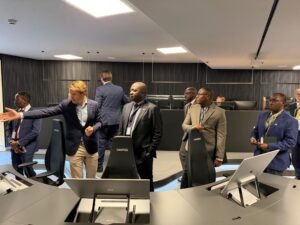
The urgency of this technological overhaul was underscored by Borno State Governor, Professor Babagana Zulum, who recently revealed that insurgents in the North East have already adapted to modern warfare. “Bandits and terrorists now deploy advanced drones and artificial intelligence tools on the battlefield to locate troops and military equipment,” Zulum disclosed at a security summit in Abuja.
Furthermore, Nigeria is diversifying its international defence relationships. At the Antalya Diplomacy Forum 2026, Nigeria and Türkiye formalised a defence partnership that includes technology transfer and the establishment of a major military training facility in Nigeria. The agreement will see Nigerian special forces receive training in Türkiye on counter-drone operations and intelligence integration, while Türkiye has expressed readiness to supply Nigeria with advanced surveillance platforms and satellite-enabled monitoring systems.
General Musa reaffirmed the government’s commitment to building local capacity alongside these foreign acquisitions. “The outcomes of this engagement mark a significant step forward in Nigeria–Türkiye defence relations,” Musa said. “We are committed to delivering tangible, measurable results that strengthen our national security”. The various agreements are currently in the implementation phase, with training deployments and technical exchanges already underway.