
Opinion
The EFCC Billions And The NDDC: What Next?

By Frank Tietie
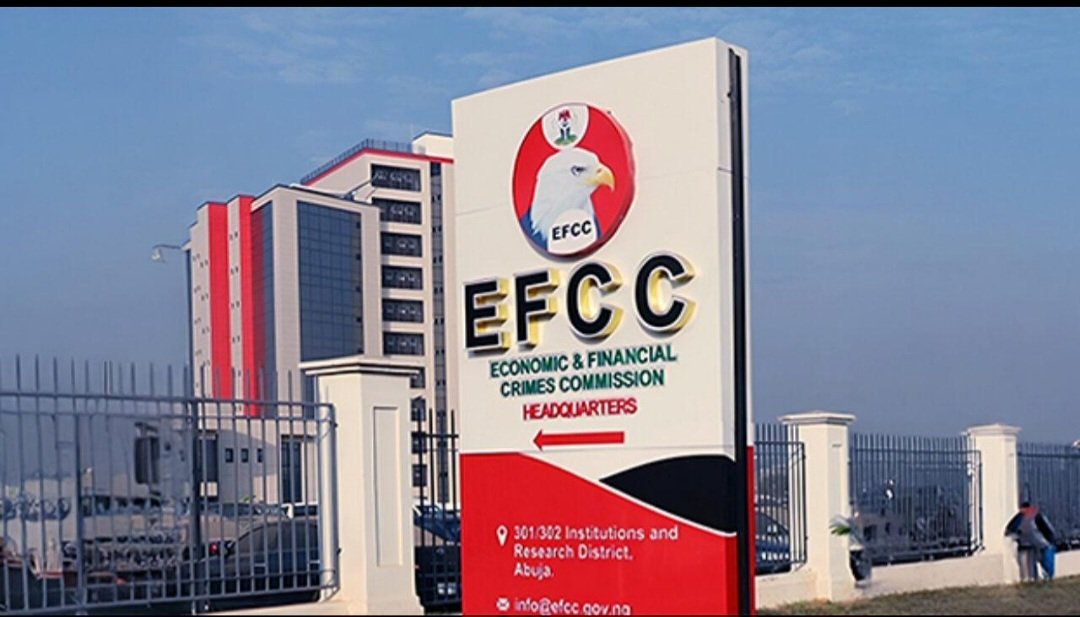
The reported recovery by the Economic and Financial Crimes Commission of substantial statutory levies owed to the Niger Delta Development Commission by defaulting oil companies is commendable. It demonstrates what determined regulatory enforcement can accomplish when public institutions act decisively.
According to disclosures made before the Senate Committee on Public Accounts, the EFCC investigated 43 oil companies following findings in the Nigeria Extractive Industries Transparency Initiative’s 2021–2023 Oil and Gas Sector Audit Report. Twenty-four companies had outstanding liabilities totalling approximately ₦76.88 billion and $81.08 million, while 19 were cleared.
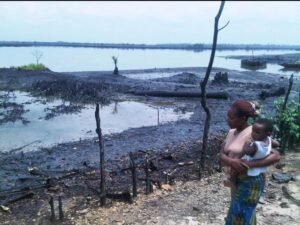
The EFCC further disclosed that some companies paid ₦6.71 billion and $16.99 million directly to the NDDC. Of the sums recovered through the EFCC, ₦73.37 billion and $67.07 million had reportedly been released to the Commission, leaving ₦3.51 billion and $14.01 million in the EFCC recovery account.
These recoveries are significant, but recovering the money is only the beginning. The more important question is: what happens to the funds after they reach the NDDC?
For too long, the NDDC has failed to maximise its statutory mandate to facilitate the rapid, even and sustainable development of the Niger Delta, particularly in communities directly affected by oil and gas exploration and production.
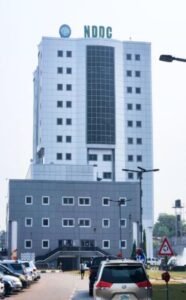
Instead of transforming the living conditions of the people, the Commission has repeatedly been associated with allegations of political patronage, abandoned projects, inflated contracts, procurement irregularities and payments for work that was either poorly executed or never performed.
A particularly troubling example involved allegations made by the NDDC against the late Senator Peter Nwaoboshi. In 2020, the Commission alleged that he used 11 companies as fronts to secure contracts worth approximately ₦3.6 billion in September 2016. The late senator denied the allegations. The NDDC subsequently demanded the refund of about ₦2.5 billion in relation to a contract for the supply of plastic desks and chairs.
The public deserves to know whether the demanded sum was ever recovered and, if not, what steps are being taken against the estate, companies, or other persons legally responsible. Allegations involving public funds should not simply disappear because an accused person has died. Although criminal liability is personal, properly established civil claims, recovery proceedings and forfeiture orders may, where legally sustainable, continue against companies, assets or an estate.
The wider picture is even more disturbing. The forensic audit submitted to the Federal Government in 2021 reportedly identified 13,777 projects whose execution was substantially compromised, despite the NDDC receiving approximately ₦6 trillion from statutory and non-statutory sources between 2001 and 2019. This represents a profound betrayal of the people for whose benefit the Commission was established.
If the Federal Government truly cares about the Niger Delta, it cannot simply congratulate the EFCC for recovering the funds and then allow those funds to enter the same opaque system that produced thousands of abandoned and questionable projects.
The EFCC should apply comparable determination to investigating past and current NDDC contracts, particularly contracts for which substantial or full payments were made without corresponding performance. Such investigations should determine whether contracts complied with the Public Procurement Act and applicable procurement regulations and whether the projects were actually executed at the approved locations with the quality and quantity of work delivered corresponding with the sums paid;
Where criminal conduct is established, those responsible should be prosecuted. Where money was paid without value, recovery proceedings should be commenced against the contractors, their companies and any public officials who facilitated the unlawful payments.
The NDDC must move beyond the politics of loyalty and patronage. Its management should understand that the recovered funds are not a political windfall. They are statutory resources that, in practical and moral terms, belong to Niger Delta communities that continue to endure environmental degradation, poor roads, inadequate healthcare, unemployment, polluted water, and deficient educational facilities despite decades of oil production.
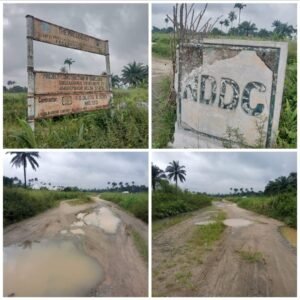
Priority should therefore be given to projects that have an immediate and measurable impact on the people, such as the provision of potable water, healthcare, education, environmental remediation, electricity, roads, skills development and sustainable employment.
The EFCC deserves commendation for recovering funds owed to the NDDC. However, its responsibility should not end with transferring the money. It must help ensure that the recovered funds do not become subject to the same corruption and embezzlement that have historically undermined the Commission.
The true success of this recovery will not be measured by the billions announced before the Senate. It will be measured by completed roads, functioning hospitals, equipped schools, clean water, restored environments and improved livelihoods across the Niger Delta.
The money has been recovered. The next and more difficult task is to ensure that it reaches the people.
Frank Tietie
Nigerian Lawyer, Media Personality and Executive Director of Citizens Advocacy for Social and Economic Rights (CASER) writes from Abuja