Opinion
Trump’s Latest Assault on Free Press Is Typical

By Katharine Viner
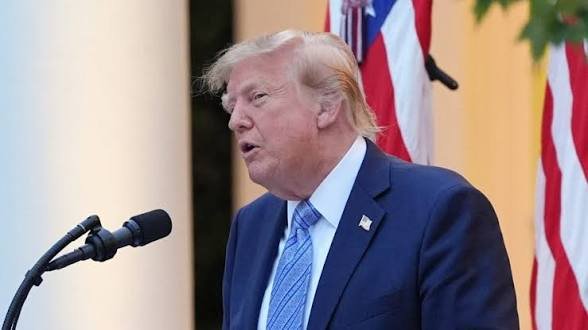
American President Donald Trump’s disdain for the free press has long been obvious, and his second term, as predicted, has been characterised by threats, assaults, bans and lawsuits against media figures ranging from Jimmy Kimmel to local newspapers, the New York Times, the BBC and the Guardian.
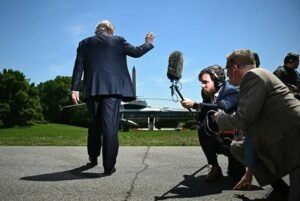
This week, in one of his most brazen moves yet, the president banned CNN, MS Now and Politico from the White House, despite a judge ruling that the move breaches the First Amendment, which guarantees a free press. The outlets were finally granted access on Thursday, 24 September, just as the president hosted a summit with China’s President Xi Jinping.

Before the court intervened to block the ban, Margaret Sullivan called for Washington journalists to stand in solidarity, boycott White House events and instead “report aggressively from off campus”. Many did just that: Ariana Baio and Maanvi Singh reported on US TV networks suspending their pool coverage as Trump launched his own “Trump TV feed” (our US team stopped using live footage of Trump until the ban was lifted).
As Alice Speri revealed on Monday as part of a wider Guardian investigation into the cruelty of the administration’s deportation programme, journalists are being caught up in ICE’s dragnet, including a Colombian reporter for a US outlet who was arrested in March and held by ICE for two weeks.
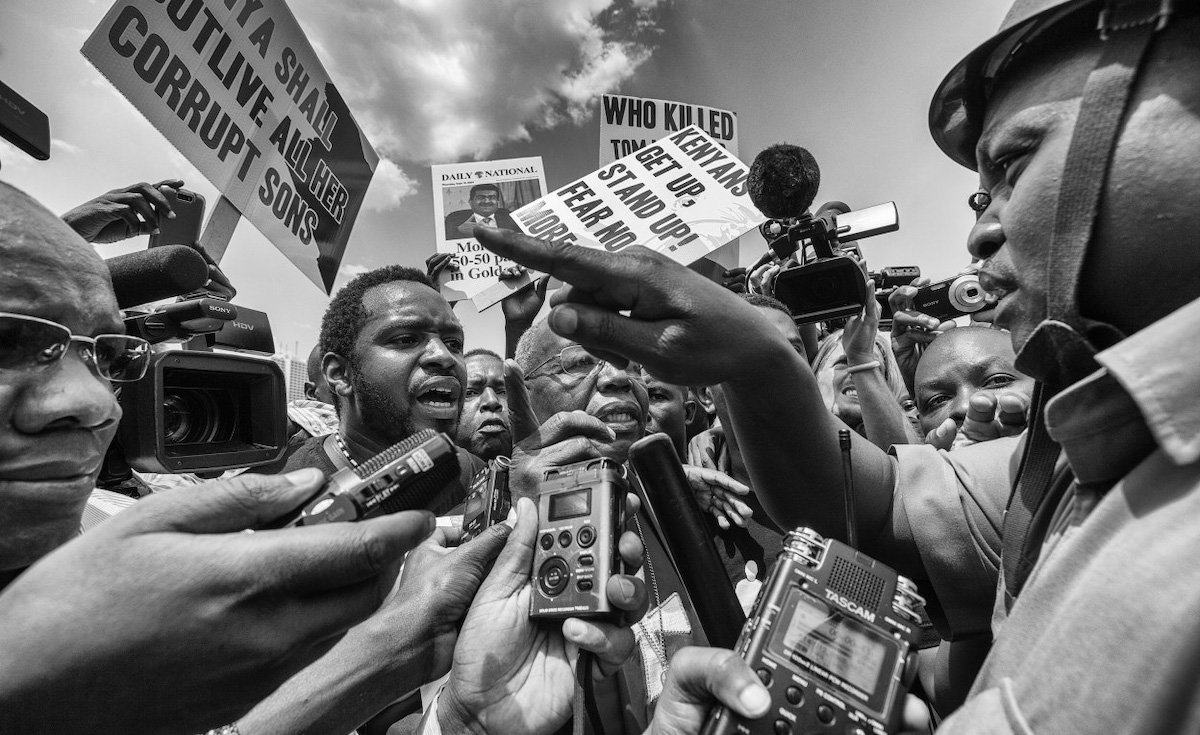
As I’ve written many times, the global threat to journalism and journalists is ceaseless. Press freedom is at its lowest ebb in more than a quarter of a century, and 129 journalists and media workers were killed in 2025, the highest figure since data began to be collected 30 years ago. (Most of those killed were in Gaza.)
Donald Trump is, of course, only part of the picture. The threat against journalists reaches beyond the borders of repressive states.
This week, Kim Willsher interviewed Roman Badanin and Mikhail Rubin, two Russian journalists forced into exile for their reporting, who have recently published a critical biography of Vladimir Putin. They told Kim about their fears of being reached by “Putin’s death squad” even in their new countries, thousands of miles away.
The threats against Israeli journalists and filmmakers Yuval Abraham and Rachel Szor are especially concerning to me at the moment. Yuval and Rachel’s NAZA, produced by the Guardian, about the secret systems used by Israel in mass killings of civilians in Gaza, has led to an extreme response in their home country.
This has included death threats, angry mobs outside a family home and attacks on the offices of +972 Magazine and Local Call, the publications where Yuval’s first reporting on the allegations appeared, in collaboration with the Guardian.
As our editorial last week put it: journalism is not treason – it needs to be defended.

“Attacks on the free press are attacks on us all.”
NAZA will soon be shown in cinemas in 56 countries, streaming on the Guardian’s website in November.
Katharine Viner is Editor-in-Chief of The Guardian