
Opinion
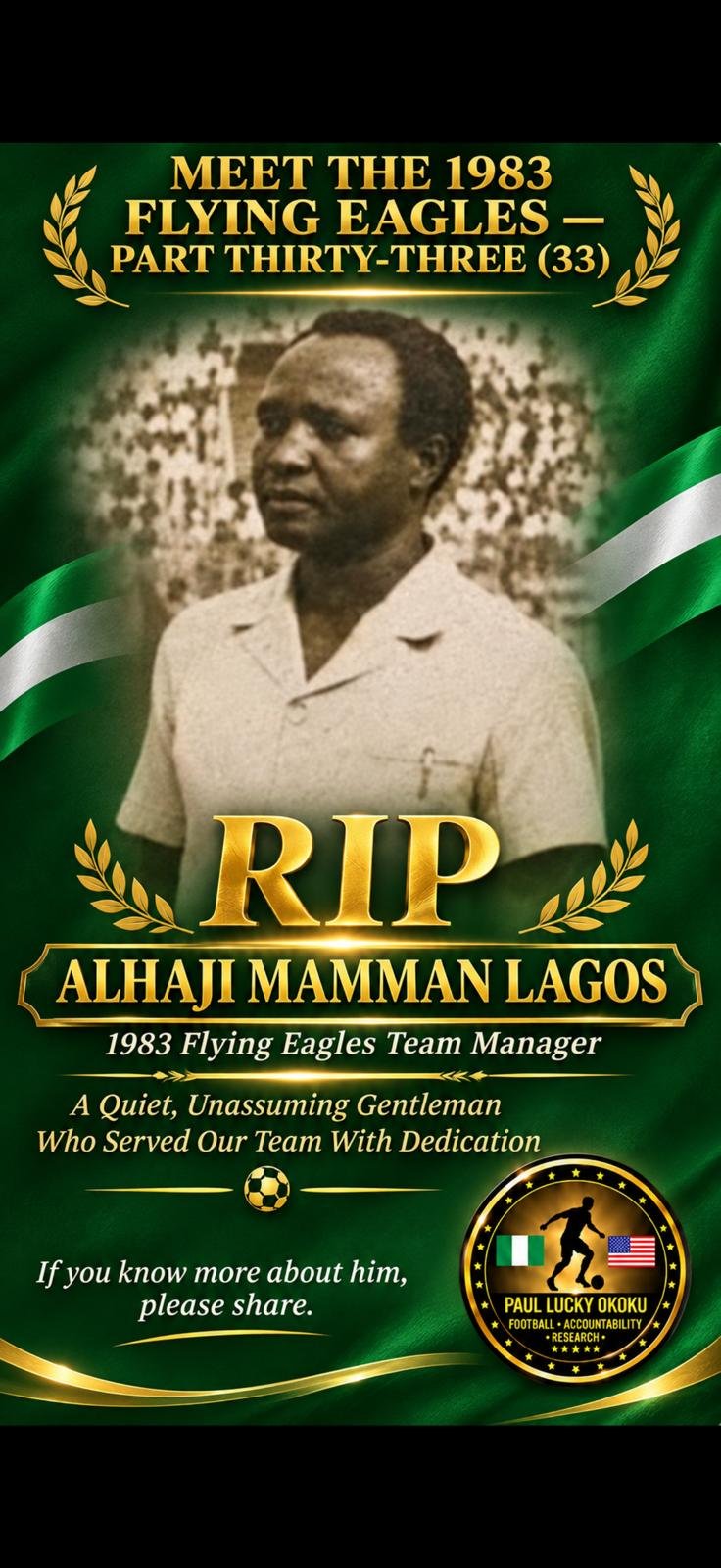
Meet The 1983 Flying Eagles: Part 33 — Alhaji Mamman Lagos: The Quiet Team Manager We Called “Insha’Allah”

𝗕𝘆 𝗣𝗮𝘂𝗹 𝗟𝘂𝗰𝗸𝘆 𝗢𝗸𝗼𝗸𝘂
There are people whose contributions to football history cannot be measured by goals, appearances or trophies. They worked behind the scenes, providing the stability and guidance that allowed young footballers to concentrate on representing their country.
One such gentleman was 𝗔𝗹𝗵𝗮𝗷𝗶 𝗠𝗮𝗺𝗺𝗮𝗻 𝗟𝗮𝗴𝗼𝘀, our team manager during Nigeria’s historic qualification campaign and participation in the 1983 FIFA World Youth Championship in Mexico.
He was quiet, unassuming, approachable and respectful. He never needed to raise his voice to establish his presence.
And among us young footballers, he acquired a nickname that still brings a smile to my face more than four decades later.
𝗛𝗢𝗪 𝗪𝗘 𝗡𝗜𝗖𝗞𝗡𝗔𝗠𝗘𝗗 𝗛𝗜𝗠 “𝗜𝗡𝗦𝗛𝗔’𝗔𝗟𝗟𝗔𝗛”
My earliest memory of Alhaji Mamman Lagos goes back to our preparations for a journey to Zimbabwe.
We were gathered at the stadium, preparing to depart for the airport, when our new team manager asked everyone to join him in prayer for a safe journey.
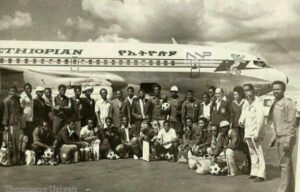
We listened respectfully as he prayed. Then, at the conclusion, he declared loudly and emphatically:
“𝗜𝗻𝘀𝗵𝗮’𝗔𝗹𝗹𝗮𝗵!”
Our Muslim teammates responded with equal enthusiasm, and the rest of us naturally followed their lead.
For some of us, it was our first memorable encounter with the expression. We came from different religious and cultural backgrounds, but we shared the same sense of togetherness as young footballers representing Nigeria.
Instantly, following that prayer, we had christened him “𝗜𝗻𝘀𝗵𝗮’𝗔𝗹𝗹𝗮𝗵!”
The nickname stuck. In fact, some of us barely knew his actual name at the time. To us, he was simply “Isha Allah,” our quiet, gentle team manager.
We later came to understand that Insha’Allah (إِنْ شَاءَ ٱللَّٰهُ) means “God willing,” an expression of faith and hope that events will unfold according to God’s will.
What began as a spontaneous moment before an international journey became one of our most enduring memories of him.
It was an affectionate nickname born out of camaraderie and shared experience, never disrespect. Alhaji Mamman Lagos was a kind, unassuming gentleman whose calm presence helped make our diverse group of young footballers feel like one family.
𝗧𝗛𝗘 𝗠𝗔𝗡𝗔𝗚𝗘𝗥 𝗕𝗘𝗛𝗜𝗡𝗗 𝗢𝗨𝗥 𝗛𝗜𝗦𝗧𝗢𝗥𝗜𝗖 𝗝𝗢𝗨𝗥𝗡𝗘𝗬
Team management rarely attracts the attention given to players and coaches.
Yet a national team preparing for international competition needs administration, organization, coordination, communication and people willing to carry responsibilities that are not always visible to the public.
Alhaji Mamman Lagos was an important part of that structure.
He served as our team manager throughout the historic campaign that culminated in Nigeria’s qualification for the 1983 FIFA World Youth Championship.

On 𝗝𝗮𝗻𝘂𝗮𝗿𝘆 𝟴, 𝟭𝟵𝟴𝟯, Nigeria defeated Guinea 2–0 at the National Stadium, Surulere, Lagos, to secure the country’s first qualification for a FIFA World Cup tournament at any level.
The players and coaches rightly received attention for this achievement. But people like Alhaji Mamman Lagos also belonged to that pioneering story.
He continued with us to Mexico, where Nigeria entered the FIFA world stage.
𝗧𝗛𝗘 𝗙𝗥𝗜𝗚𝗛𝗧𝗘𝗡𝗜𝗡𝗚 𝗠𝗢𝗠𝗘𝗡𝗧 𝗜𝗡 𝗖𝗢𝗟𝗢𝗠𝗕𝗜𝗔
One memory of him has never left me.
Before arriving in Mexico for the championship, we completed a preparatory playing tour that took us through Venezuela and Colombia.
During our journey through a Colombian airport, something unexpected happened.
We suddenly saw our team manager being assisted in a wheelchair.
For me, it was a frightening sight.
I was young and had never experienced seeing someone I knew suddenly needing that kind of assistance.
This was the same quiet gentleman who had traveled with us, prayed with us and looked after our team throughout the qualification journey.
For a moment, football seemed insignificant compared with concern for his well-being.
Thankfully, he was able to continue with the delegation, and as time passed, we saw encouraging signs of his recovery.
By the time we returned to Nigeria, he had recovered fully, as I remember it.
I have deliberately kept this recollection limited to what I personally witnessed. The important point is not the private circumstances surrounding that moment, but the concern we felt for a gentleman who had become part of our football family.
𝗛𝗜𝗦 𝗖𝗔𝗥𝗘𝗘𝗥 𝗕𝗘𝗬𝗢𝗡𝗗 𝗧𝗛𝗘 𝗙𝗟𝗬𝗜𝗡𝗚 𝗘𝗔𝗚𝗟
𝗘𝗦
Alhaji Mamman Lagos was not merely a familiar face from our youth.
Published historical accounts identify him as an experienced Nigerian sports administrator.
Research in Next Edition, including Emeka Obasi’s historical sports columns, establishes that he hailed from Kaduna, worked with the sports ministry in Lagos and served with different Nigerian national teams.
The same historical accounts identify him as the team manager who accompanied the 1983 Flying Eagles to Mexico.
He later served as manager of 𝗔𝗵𝗺𝗮𝗱𝘂 𝗕𝗲𝗹𝗹𝗼 𝗦𝘁𝗮𝗱𝗶𝘂𝗺, 𝗞𝗮𝗱𝘂𝗻𝗮, a significant institution in Nigerian sporting history.
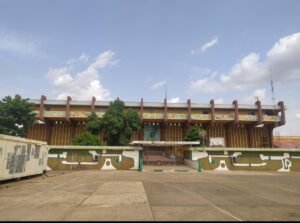
That progression tells us something important about his professional life.
His service was not confined to one team or one international competition. He belonged to the generation of administrators who helped organize and support Nigerian sport across different assignments.
Many of their contributions remain inadequately documented, particularly when compared with the achievements of celebrated players and coaches.
𝗧𝗛𝗘 𝗤𝗨𝗜𝗘𝗧 𝗚𝗘𝗡𝗧𝗟𝗘𝗠𝗔𝗡 𝗪𝗘 𝗥𝗘𝗠𝗘𝗠𝗕𝗘𝗥
When I look back at the personalities who accompanied us through our remarkable 1983 journey, I remember Alhaji Mamman Lagos for his temperament.
He was not loud.
He was not interested in attracting attention to himself.
He carried himself with quiet dignity.
Our youthful nickname, “Insha Allah,” captures something no official appointment record could ever explain: the personal connection between a team manager and the young players entrusted to his care.
Football history is not only the record of what happened on the pitch.
It also lives in the prayers before departure, the laughter during journeys, the friendships formed in camp and the people who quietly helped young athletes navigate unfamiliar countries.
𝗔 𝗣𝗟𝗔𝗖𝗘 𝗜𝗡 𝗡𝗜𝗚𝗘𝗥𝗜𝗔’𝗦 𝗙𝗢𝗢𝗧𝗕𝗔𝗟𝗟 𝗛𝗜𝗦𝗧𝗢𝗥𝗬
Our 1983 Flying Eagles generation made history by becoming the first Nigerian national football team to qualify for a FIFA World Cup tournament.
That achievement belonged to more than the players who wore the jerseys.
It belonged to the coaches, medical personnel, physical trainers, administrators and other officials whose efforts supported our journey.
Alhaji Mamman Lagos deserves his place among them.
More than forty-three years later, I can still hear his voice at the end of that prayer before our Zimbabwe journey:
“𝗜𝗻𝘀𝗵𝗮’𝗔𝗹𝗹𝗮𝗵!”
We were too young to fully appreciate the expression then.
Today, the words carry a deeper meaning.
They remind me of faith, hope, humility and a gentleman who accompanied us on one of the most important journeys in Nigerian football history.
𝗔𝗹𝗵𝗮𝗷𝗶 𝗠𝗮𝗺𝗺𝗮𝗻 𝗟𝗮𝗴𝗼𝘀, 𝘆𝗼𝘂𝗿 𝗰𝗼𝗻𝘁𝗿𝗶𝗯𝘂𝘁𝗶𝗼𝗻 𝘁𝗼 𝗼𝘂𝗿 𝟭𝟵𝟴𝟯 𝗙𝗹𝘆𝗶𝗻𝗴 𝗘𝗮𝗴𝗹𝗲𝘀 𝗷𝗼𝘂𝗿𝗻𝗲𝘆 𝘄𝗶𝗹𝗹 𝗻𝗼𝘁 𝗯𝗲 𝗳𝗼𝗿𝗴𝗼𝘁𝘁𝗲𝗻.
Thank you for your service to our team and to Nigerian football.
𝗣𝗨𝗕𝗟𝗜𝗖 𝗛𝗜𝗦𝗧𝗢𝗥𝗜𝗖𝗔𝗟 𝗦𝗢𝗨𝗥𝗖𝗘𝗦
• Next Edition — Emeka Obasi, “Sportsflakes: Nothing North About NFF.”
• Next Edition — “Sports Flakes: Lagos in Kaduna, Oyo in Calabar.”
• Firsthand recollections of Paul Lucky Okoku, vice-captain of Nigeria’s 1983 Flying Eagles.
⸻
𝗣𝗮𝘂𝗹 𝗟𝘂𝗰𝗸𝘆 𝗢𝗸𝗼𝗸𝘂
FIFA Legend | Former Nigeria Flying Eagles Vice-Captain | Former Super Eagles International | AFCON Silver Medalist | Football Historian | Football Analyst | Investigative Football Writer | Journalist-at-Large | Founder & CEO, Greater Tomorrow Children’s Fund (GTCF)
PaulOkokuMediaHub@gmail.com
𝗣𝗹𝗲𝗮𝘀𝗲 𝗳𝗲𝗲𝗹 𝗳𝗿𝗲𝗲 𝘁𝗼 𝘀𝗵𝗮𝗿𝗲 𝘁𝗵𝗶𝘀 𝗮𝗿𝘁𝗶𝗰𝗹𝗲. 𝗪𝗲 𝗮𝗿𝗲 𝗮𝗹𝗹 𝗶𝗻 𝘁𝗵𝗶𝘀 𝘁𝗼𝗴𝗲𝘁𝗵𝗲𝗿.