
International
Trump Expresses Frustration Over Iran Nuclear Talks, Warns “They Cannot Have Nuclear Weapons”

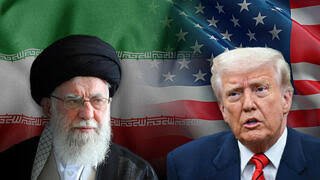
U.S. President Donald Trump has expressed dissatisfaction with ongoing nuclear negotiations between Washington and Tehran, saying the United States is not getting the assurances it considers necessary.
Speaking to reporters at the White House on Friday, Trump said he was “not happy” with the current state of discussions but indicated that further rounds of talks were expected.
“I’m not happy with the fact that they’re not willing to give us what we have to have. We’re not exactly happy with the way they’re negotiating,” he said. Reiterating Washington’s longstanding position, Trump added, “They can not have nuclear weapons.”
His comments come a day after nuclear talks between the U.S. and Iranian officials in Geneva ended without a breakthrough. The stalled negotiations have further heightened tensions between the two countries, particularly as American military forces continue to position assets in the region.
Trump has previously warned that the United States could consider military action if Iran refuses to agree to a comprehensive deal limiting its nuclear activities. Tehran, however, maintains that its nuclear programme is strictly for peaceful purposes and insists it has the sovereign right to enrich uranium.
When asked about the possibility of the U.S. becoming entangled in a prolonged Middle East conflict if strikes were launched against Iran, Trump acknowledged the risks.
“I guess you could say there’s always a risk. When there’s war, there’s a risk of anything, both good and bad,” he said.
Earlier on Friday, the U.S. State Department announced that Secretary of State Marco Rubio will travel to Israel early next week. The announcement followed an advisory from the U.S. Embassy in Israel encouraging staff members who wish to leave to depart, amid concerns that tensions in the region could escalate.
Rubio’s planned visit may signal that diplomatic engagements are still underway, potentially extending the timeline before any military decision is made.
Meanwhile, a confidential report from the International Atomic Energy Agency indicated that inspectors have not been granted access to certain sensitive Iranian nuclear facilities since they were heavily bombed during a 12-day conflict initiated by Israel last June. As a result, the agency said it can not independently verify Iran’s claim that uranium enrichment activities ceased following the U.S. and Israeli strikes.
With negotiations unresolved and military rhetoric intensifying, uncertainty continues to surround the future of U.S.–Iran relations.