International
Lawmakers Hold Closed-Door Talks on AI Amid Rising Fears of Global Disruption

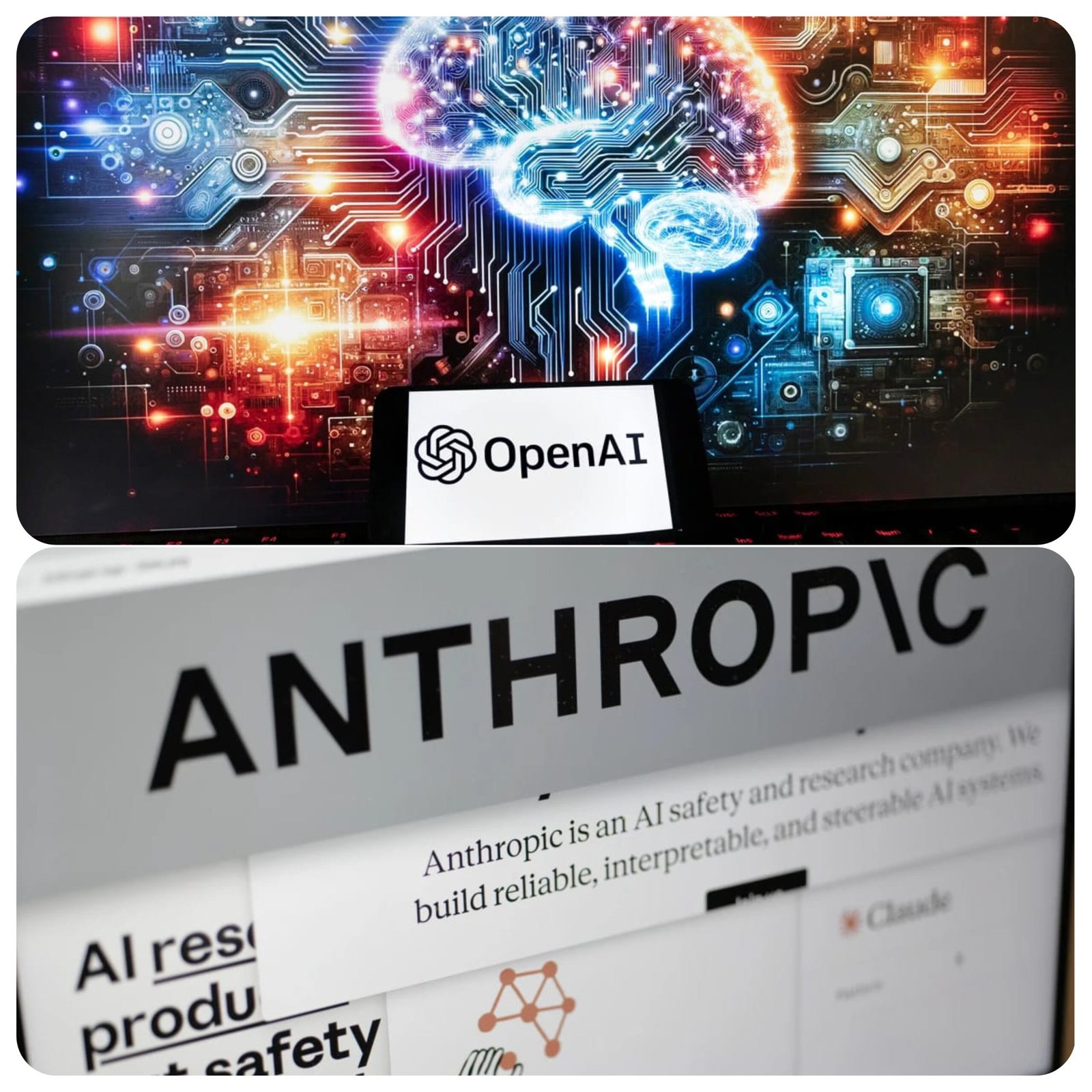
Lawmakers from several countries recently convened in a series of low-profile meetings to deliberate on the rapid advancement of artificial intelligence (AI), with discussions reportedly dominated by concerns over its potential risks to society, jobs, and global stability.
The meetings, described by insiders as “quiet but urgent,” brought together policymakers, tech experts, and regulatory officials to assess how governments can respond to the accelerating capabilities of AI systems. While no formal resolutions were immediately announced, participants acknowledged a growing sense of unease over the pace of development and the lack of comprehensive regulation.
A key concern raised during the discussions was the potential for AI to disrupt labour markets on a massive scale. Lawmakers warned that automation could replace millions of jobs globally if proactive policies are not implemented. Others highlighted the risks of misinformation, deepfakes, and the use of AI in cyber warfare.
Some participants reportedly expressed more existential fears, cautioning that highly advanced AI systems; if left unchecked, could pose long-term threats to humanity. Though such scenarios remain speculative, the tone of the meetings reflects increasing anxiety within political circles about losing control over rapidly evolving technology.
The gatherings come amid intensified global competition in AI development, particularly among major powers such as the United States and China, both of which are investing heavily in the sector. This rivalry has further complicated efforts to establish unified international regulations.
In recent months, leading tech figures, including Elon Musk and Sam Altman, have repeatedly called for stronger oversight, warning that AI development without guardrails could have unintended consequences.
Despite the concerns, some lawmakers emphasized the transformative potential of AI in sectors such as healthcare, education, and infrastructure, urging a balanced approach that promotes innovation while safeguarding public interests.
As governments continue to grapple with the implications of AI, experts say more structured global dialogue and regulatory frameworks will be critical to managing both its promise and its risks.