
Environment
ABUJA MOBILIZATION OF EFFORTS TO CLEAR DRAINAGE SYSTEMS TO PREVENT FLOODING IS TOO LITTLE AND TOO LATE

BY AVM (RTD) AKUGBE IYAMU
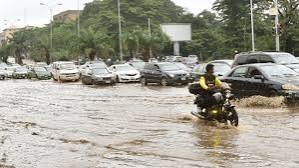
The need for urgent action to clear blocked drainages and waterways in order to reduce the risk of flooding as the rainy season intensifies in the Federal Capital Territory has again been emphasised.
The efforts of FCDA authorities to clear drainage systems well into the raining season is too little and too small and my question is why now when they had the annual flood outlooks predition since the beginning of the year.
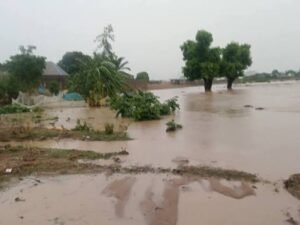
Additionally, there have been several destructive actions by the FCDA on the masterplan of the FCT in the allocation of relief lines and encouraging buildings on green areas and other developments around drainage systems.
Also as green spaces are being destroyed thereby altering the weather patterns over the FCT. Therefore the proposed actions of FCDA is like treating cancerous diseases with analgesics because what is happening over Abuja is low pressure wind.
A low-pressure wind is the movement of air rushing toward an area of low atmospheric pressure. Because air always flows from high to low pressure, these winds converge at the center and are forced upward as currently experienced in the rainfall over the city.
This upward movement influenced by lack of green areas cools the air, condensing moisture to create clouds, rain, and storms. Let us be aware that low-pressure winds are almost always associated with unsettled, cloudy, or stormy weather conditions that have become prevalent over the city.
Low-pressure winds occur when a region on the Earth’s surface receives more heat (e.g., strong sunshine over a landmass) as we saw earlier in the year when temperatures were very high causing warm air to expand and rise into the atmosphere.
Currently, With less air pressing down on the surface, the atmospheric weight drops leading Abuja to experience cloudy conditions with passing thundery showers and light, variable winds typically blowing below 10 km/h.
The low-pressure wind systems over Abuja is characteristic of the West African monsoon drawing in moist air, creating daytime temperatures hovering around 30degreeC and high humidity. The Low-pressure wind systems in Abuja will pull warm, moisture-laden air from the Atlantic Ocean inland.
As this air rises, it cools and condenses, frequently triggering heavy, localized downpours and thunderstorms because air naturally moves from high to low pressure, these troughs keep winds generally light and variable until storm fronts pass.
This is the current manifestations of Abuja that need understanding as clearing the drainage systems are not likely to do much to the flood situation in Abuja.
At this point, the FCDA need to be aware that destruction of green areas and building on relief lines and allocating flood plains will have devastating consequences. It is not too late to reverse their actions before it becomes too late.
AVM (RTD) AKUGBE IYAMU MNSA fsi, PRESIDENT ASSOCIATION OF ENVIRONMENTAL PROTECTION AND CLIMATE CHANGE PRACTITIONERS AND CONSULTANT ON CLIMATE CHANGE AND ANALYST ON ENVIRONMENTAL POLICIES
WARNING!!!!!!!
No part of this publication can be reproduced or edited by anyone without the express permission of the author.