
Opinion
Poverty And Hunger no Longer Whispers But Becomes A Country’s Identity

AVM RTD AKUGBE IYAMU MNSA fsi


President Association of Environmental Protection And Climate Change Practitioners
Consultants on Climate Change And Analyst on Environmental Policies
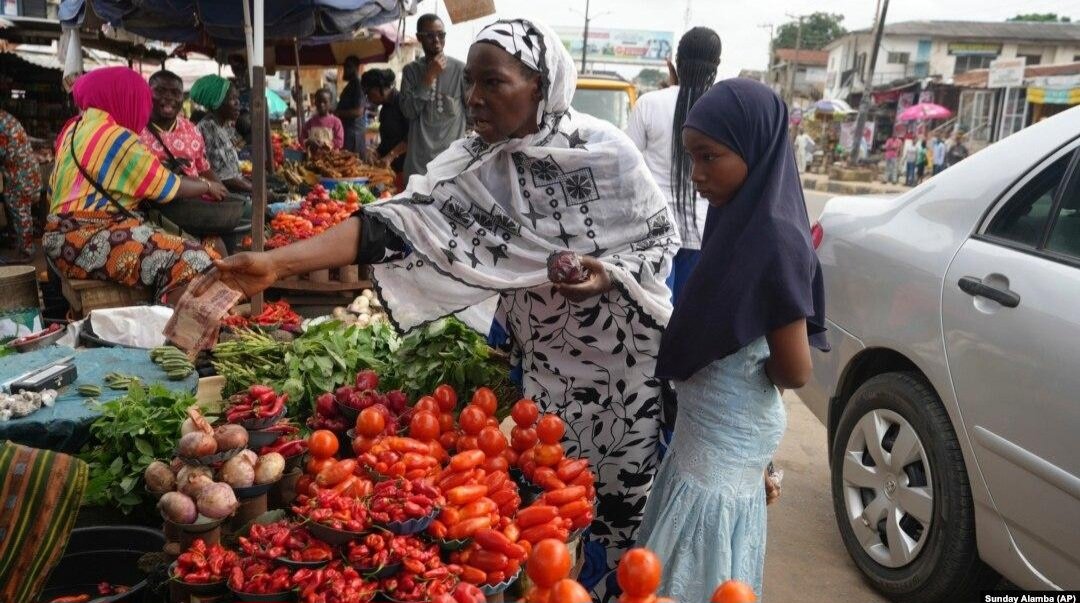
Nigeria borrowings, particularly external debt, have historically exacerbated poverty and hunger by siphoning massive amounts of revenue away from social welfare and agricultural development. When debt servicing consumes a significant portion of export earnings, the government is forced to divert capital from essential infrastructure, worsening food insecurity and widening socioeconomic inequalities. Debt-servicing obligations heavily squeeze national budgets, limiting funds available for healthcare, education, social safety nets, and public infrastructure. Extensive borrowing often leads to currency depreciation and reliance on austerity measures (such as the removal of fuel subsidies), which increases transportation and food costs while reducing the purchasing power of vulnerable households.
Eradicating poverty and hunger in Nigeria has become a cardinal priority that
requires a multi-pronged approach necessary to tackles the root causes. The condition of 63% of people in multidimensional poverty requires urgent agricultural modernization, economic diversification, and targeted social interventions. The country urgently needs solutions spanning from scaling up community-driven nutrition programs to implementing policies that address inflation, regional conflict, and climate-induced agricultural disruption. Yhe most worrying part is Nigeria unmitigated passion for foreign loans.
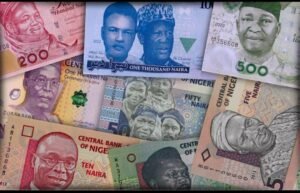
Currently, Nigeria is actively pursuing a $5 billion borrowing arrangement with the United Arab Emirates’ largest lender, First Abu Dhabi Bank. This transaction is structured as a complex derivatives agreement rather than a conventional loan with plans to use the capital to build roads and ports, refinance expensive older debt, and fund national budget deficits. That sounds like a familiar rhetorics and cliche right?
The question on the lip of every Nigerian is: are there no end or alternatives to these loans? What happened to the proceeds of the subsidy removal and deregulation of the currency. The nation is bleeding from excessive borrowings at every conceivable concessions without consideration for the future generations whose lives are being mortgaged daily.
The interesting thing is despite these excessive borrowings, the International Monetary Fund (IMF) has projected that poverty levels in Nigeria have climbed to 63% of the population in spite of recent macroeconomic stabilization efforts. Take for example, In its 2026 Article IV Consultation report, the IMF warned that despite improved gross international reserves and an economic growth forecast of about 4%, high living costs and widespread food insecurity remain severe. The IMF further warned that poverty and food insecurity could worsen if food and fuel prices remain elevated, underscoring the urgent need for the government to scale up sustained social protection measures. We may have seen the continuous efforts by the Senate for an elastic approach to budgetary systems but how will that helped poverty and hunger including inequality and insecurity.
While the Nigerian Senate approved a three-month extension for the capital component of the 2025 budget moving the deadline from June 30 to September 30, 2026 Nigerians are forced to ask the question: where is the 2026 budget and how many budgets is the nation operating concurrently. Does the assurance that the extension will allow Ministries, Departments, and Agencies (MDAs) additional time to utilize already-released funds, process outstanding payments, and complete ongoing capital projects to avoid project abandonment tranquilize the financial squeeze and raging hunger and poverty, what specific milestones is such extensive elongation meant to achieve and how will it ensure adequate and sustained funding for targeted social protection measures, such as the national cash transfer program needed to cushion the impact on the most vulnerable.
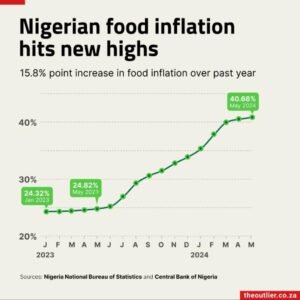
How will this measure escalate tight monetary policies to control high food inflation that has eroded household wealth, making basic nutritional staples unaffordable for millions of Nigerians. Despite the borrowings, Nigerians is yet to witness
growth in non-oil industries and agriculture which has been too slow to significantly outpace population growth and reduce job scarcity. There are serious predictions from the World Bank that while Nigeria’s macroeconomic reforms have stabilized government revenues and boosted modest GDP growth, widespread poverty and severe food insecurity remain high. Additionally, multidimensional poverty currently affects about 63% of the population while soaring food prices continue to outpace household purchasing power, worsening hunger across the country.
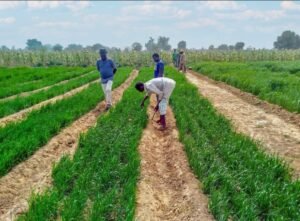
If Nigeria must reduce poverty and hunger, policies must move from rhetorics to actions that deliberately address
the economy’s over-reliance on oil revenue through heavy investment in the manufacturing, solid minerals, and technology sectors to create more specialized, higher-paying jobs. The country must genuinely evolve concerted action in addressing the core drivers of conflict across the country which have devastated agricultural production and forced farmers off their lands.
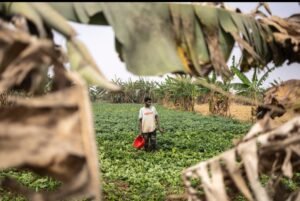
From the current unfolding situation across Nigeria, it has become increasingly apparent that restoring security will allow displaced populations to return home, farm their fields, and rebuild their livelihoods. Consequently, there must be new innovation to enhance the capacity of the River Basin Development Authorities in the efforts to promote year-round irrigation and mitigate the impacts of climate change on food production.
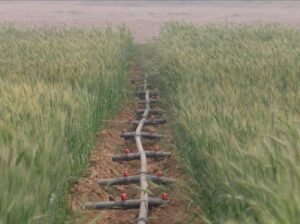
While the Nigerian government insists that recent macroeconomic reforms are necessary to correct long-standing economic distortions, international organizations like the International Monetary Fund (IMF) have repeatedly warned that the benefits of stabilization have not yet trickled down to millions of citizens. A high percentage of the population continues to fall below the national poverty line, leaving tens of millions facing severe food insecurity.