General News
Nigerians Demand Fuel Price Cut as Brent Crude Drops to $78 but Petrol Stays Above N1,300

Despite Brent crude oil trading at approximately $78 per barrel, Nigerians are voicing growing frustration over petrol prices that remain stubbornly above N1,300 per litre, reigniting calls for immediate relief at the pump.
Fuel prices surged to nearly N1,300 per litre during the three-month conflict between the United States and Iran, when crude oil prices had climbed above $120 per barrel.


With the global crisis now de-escalating following a peace agreement and the partial reopening of the Strait of Hormuz, many citizens argue that domestic fuel costs should have fallen dramatically.
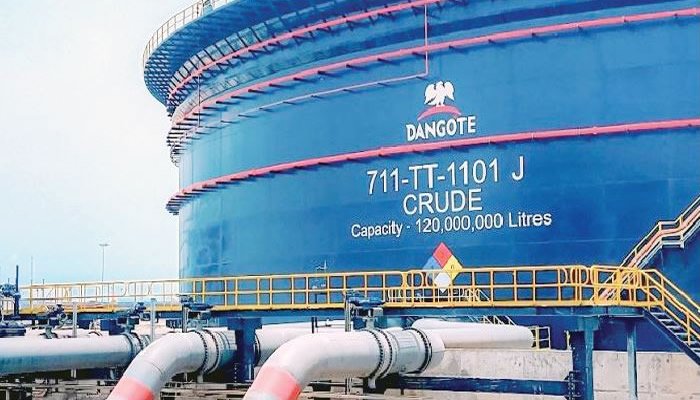
One social media user captured the public sentiment in a direct appeal, posting, “Dangote, do the needful I beg.”
The Dangote Petroleum Refinery did announce a N75 per litre reduction in its ex-depot gantry price, bringing it down from N1,250 to N1,175 per litre effective June 16. However, retail outlet prices have not followed suit, with petrol still selling for about N1,280 to N1,300 per litre in many locations across the country .
Marketers attribute the delay to existing stock purchased at higher rates, explaining that retailers must clear old inventory before they can pass on the savings to consumers. The President of PETROAN, Billy Gilly-Harry, noted that price reductions take time to reflect due to supply management realities, adding that “prices reflecting are dependent on availability, cost, and preparing the particular petroleum to be delivered to the people”.
Analysts suggest that with crude prices hovering near three-month lows, further reductions could be on the horizon if the ceasefire holds and oil markets remain stable.
A Dangote official has indicated that petrol could fall to as low as N900 per litre, though cautioned that the refinery still holds expensive crude acquired during the conflict period in its tanks.
Until the reduction trickles down to filling stations, motorists continue to bear the burden of high fuel costs, with many questioning why pump prices have not adjusted to reflect the dramatic shift in global oil markets.