
General News
Summer Solstice Arrives: Sunday Marks the Longest Day of the Year for the Northern Hemisphere

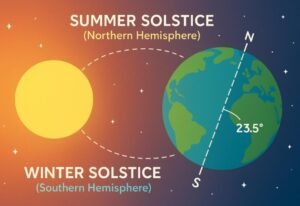
Sunday marks the summer solstice, the longest day of the year for people living in the Northern Hemisphere, as Earth reaches a point in its orbit where the North Pole is tilted most directly toward the sun.
The astronomical event brings the greatest number of daylight hours and the shortest night of the year for countries across North America, Europe, Asia, and parts of Africa. While the exact amount of daylight varies depending on location, many regions will experience significantly longer periods of sunshine than at any other time of the year.

The summer solstice occurs because Earth’s axis is tilted at approximately 23.5 degrees. As the planet revolves around the sun, this tilt causes different hemispheres to receive varying amounts of sunlight throughout the year. During the June solstice, the Northern Hemisphere receives its maximum exposure to sunlight, while the Southern Hemisphere experiences its shortest day and longest night, marking the beginning of winter there.
Despite being known as the longest day, the solstice does not necessarily bring the hottest temperatures. Meteorologists explain that land and oceans continue absorbing solar energy after the solstice, meaning the warmest weeks of summer often occur later.
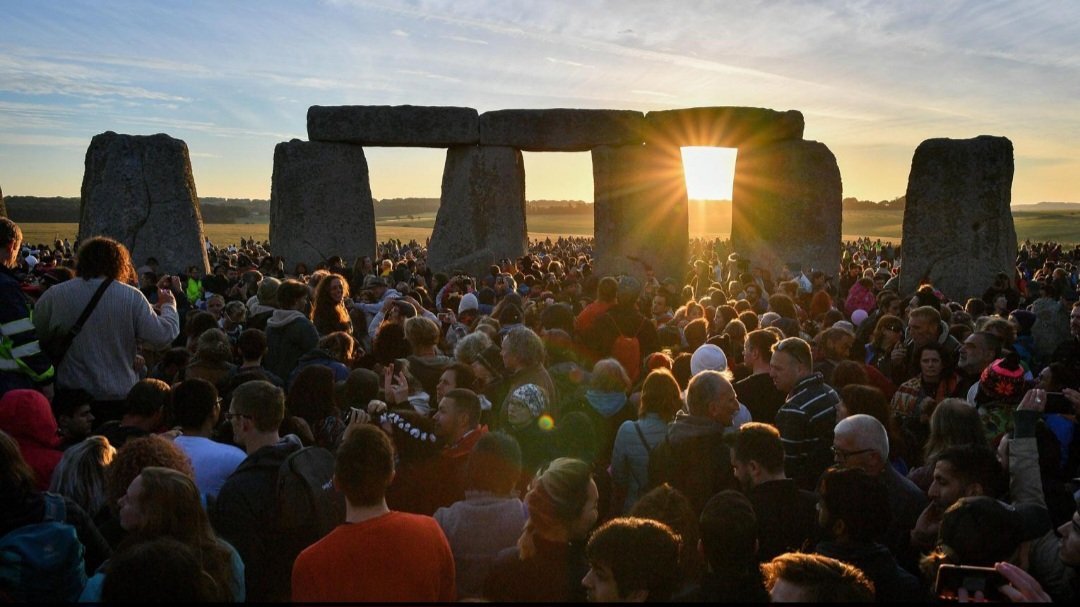
The event has been celebrated for thousands of years by cultures around the world. Ancient monuments such as Stonehenge are famously aligned with the sunrise on the summer solstice, drawing thousands of visitors annually to witness the phenomenon.
Many communities continue to mark the occasion with festivals, cultural ceremonies, bonfires, and outdoor gatherings. In Scandinavian countries, Midsummer celebrations remain among the year’s most important cultural events, while other societies view the solstice as a symbol of renewal, abundance, and the changing seasons.

Astronomers note that after the summer solstice, daylight hours in the Northern Hemisphere will gradually begin to decrease as Earth continues its journey around the sun toward the autumn equinox later in the year.
The annual event serves as both a scientific milestone and a cultural tradition, connecting modern observers with centuries of human fascination with the movements of the sun and the changing seasons.