
Business
Former U.S. Central Bank Leader Alan Greenspan Dies Aged 100

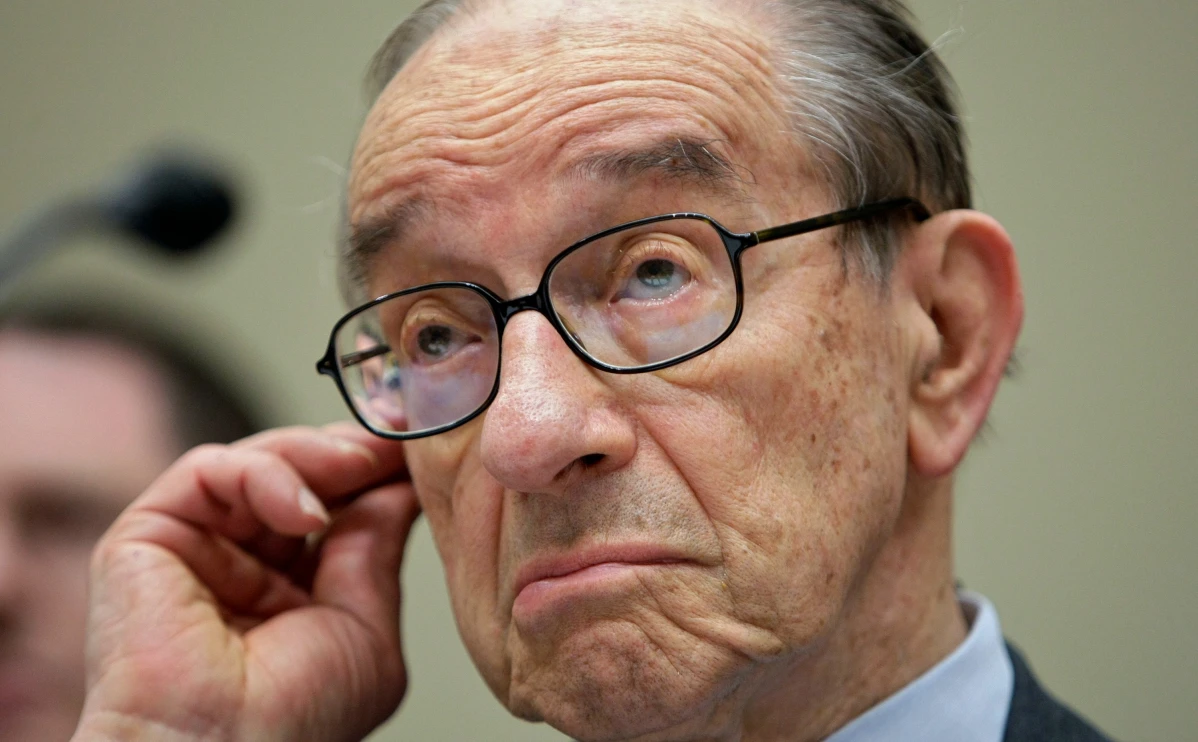
Former Federal Reserve Chairman Alan Greenspan, one of the most influential economists in modern American history, has died at the age of 100. His wife, journalist Andrea Mitchell, said he died from complications related to Parkinson’s disease.
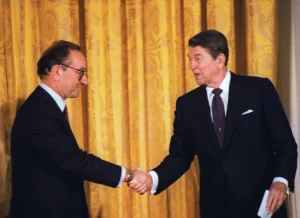
Greenspan served as chairman of the Federal Reserve from 1987 to 2006, making him one of the longest-serving leaders in the institution’s history. Appointed by Ronald Reagan, he was reappointed by three subsequent presidents and became a dominant figure in global economic policymaking for nearly two decades.
During his tenure, Greenspan guided the U.S. economy through several major events, including the 1987 stock market crash, the 1990s economic expansion, the Asian financial crisis, the dot-com boom and bust, and the aftermath of the September 11, 2001 attacks. His leadership earned him nicknames such as “The Maestro” and “The Oracle” among investors and policymakers.

Greenspan was widely praised for helping oversee a prolonged period of economic growth and relatively low inflation during the 1990s. His comments on “irrational exuberance” in financial markets became one of the most memorable phrases in modern economic history.
However, his legacy became more controversial following the 2007–2009 global financial crisis. Critics argued that his support for financial deregulation and prolonged low-interest-rate policies contributed to the conditions that allowed excessive risk-taking in housing and financial markets. Greenspan later acknowledged that some of his assumptions about market self-regulation had been mistaken.
Born in New York City in 1926, Greenspan initially studied music and played clarinet professionally before turning to economics. He later became one of the most recognizable figures in global finance, influencing monetary policy far beyond the United States.
Tributes from economists, political leaders, and financial institutions began pouring in following news of his death. Many praised his intellectual influence and crisis-management skills, while others reflected on the complex legacy of policies that continue to shape debates about central banking and financial regulation.
Greenspan is survived by his wife, Andrea Mitchell. His death marks the passing of one of the most consequential economic policymakers of the late 20th and early 21st centuries.