
Business
Global Markets Stabilize While Crude Slides Amid Iran Diplomacy


Global stock markets were largely steady on Monday while oil prices declined as investors reacted positively to signs of progress in ongoing peace negotiations between the United States and Iran, easing fears of a prolonged disruption to energy supplies in the Middle East.
Brent crude, the international benchmark for oil prices, fell nearly 2% to around $79 per barrel as traders reduced the geopolitical risk premium that had been built into energy markets during recent tensions. U.S. crude prices also moved lower as hopes grew that diplomatic efforts could help stabilize shipping routes and energy exports in the region.
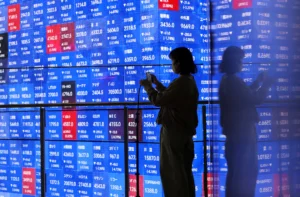
The market reaction followed reports from mediators that the latest round of U.S.-Iran talks had produced a roadmap for continued negotiations. Officials involved in the discussions indicated that both sides had agreed to pursue further diplomatic engagement, helping to calm concerns about disruptions to traffic through the strategically important Strait of Hormuz.
Equity markets responded cautiously but positively. Europe’s STOXX 600 index edged higher, while Asian markets posted modest gains. U.S. stock futures were little changed, reflecting investor optimism tempered by lingering uncertainty over the outcome of the negotiations.
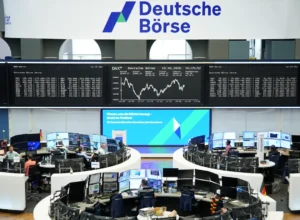
Analysts said lower oil prices are generally viewed as supportive for the global economy because they reduce transportation and production costs while easing inflationary pressures. Sectors such as airlines, manufacturing, and consumer goods often benefit when energy costs decline.
Despite the positive market reaction, investors remain cautious. Financial experts noted that previous rounds of diplomacy between Washington and Tehran have encountered setbacks, and significant differences remain on key issues. As a result, markets continue to price in the possibility of renewed volatility should talks stall or regional tensions escalate again.

Currency and bond markets also reflected a more stable risk environment. The U.S. dollar remained firm, while government bond yields were influenced by expectations that the Federal Reserve may maintain a relatively hawkish monetary policy stance despite easing energy prices.

For now, investors are closely watching diplomatic developments, with energy markets likely to remain highly sensitive to any signs of progress or setbacks in the negotiations between Washington and Tehran.