
Sports
Anti-Gay Chant Echoes Through Stadium During Mexico World Cup Fixture

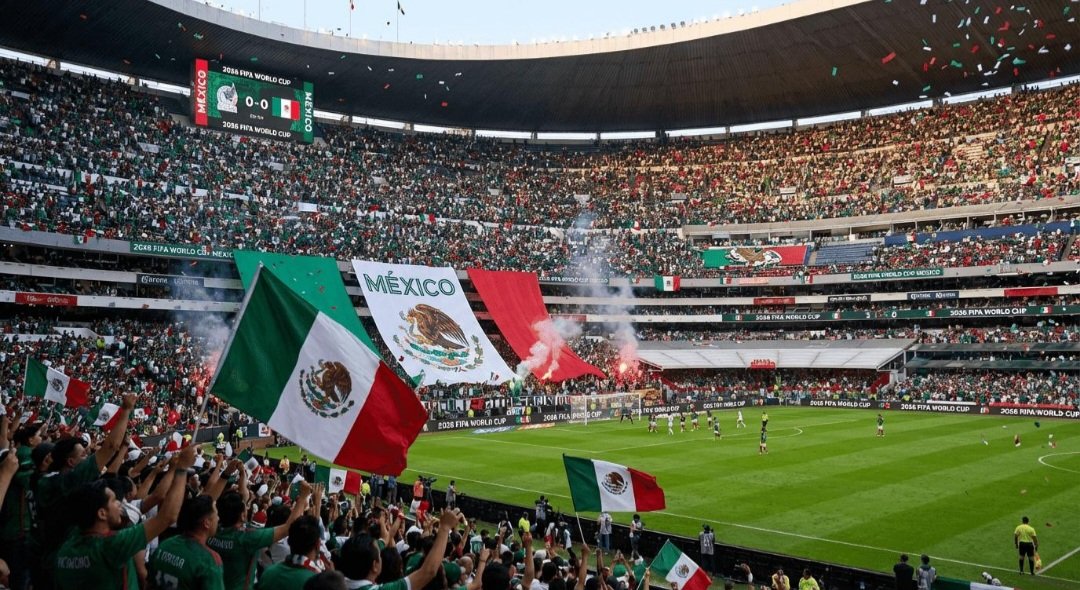
A controversial homophobic chant long associated with some sections of Mexico’s football fan base resurfaced during Mexico’s FIFA World Cup match against the Czech Republic, renewing concerns about discrimination in football and raising the possibility of disciplinary action from world football authorities.
The chant, which has been condemned by football governing bodies, LGBTQ+ rights organizations, and anti-discrimination campaigners for more than a decade, was reportedly heard multiple times during the match whenever the Czech goalkeeper prepared to take goal kicks. The incident quickly drew attention from broadcasters, match officials, and football observers monitoring fan behavior at the tournament.
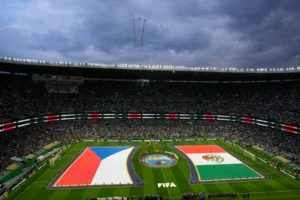
The chant has been a recurring issue for Mexican football in recent years. Both FIFA and CONCACAF have previously sanctioned Mexico’s football federation over similar incidents, imposing fines and, on some occasions, requiring matches to be played with limited attendance or behind closed doors.
Under FIFA’s anti-discrimination protocols, referees and match officials are empowered to take action if discriminatory behavior is detected. Measures can range from stadium announcements and temporary suspensions of play to the abandonment of a match in severe cases. Reports indicate that stadium officials issued warnings during the game reminding spectators of tournament rules prohibiting discriminatory chants and behavior.
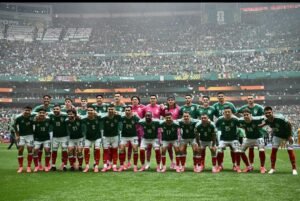
The incident overshadowed what was otherwise a highly anticipated World Cup fixture between Mexico and the Czech Republic. Football analysts noted that efforts by Mexican football authorities to eliminate the chant have included public-awareness campaigns, fan education programs, and repeated warnings from players and coaches. Despite those initiatives, the chant has continued to appear sporadically at international and club matches involving Mexican teams.
Representatives of Mexico’s football federation expressed disappointment over the incident, reiterating their opposition to discriminatory language in football stadiums. Federation officials emphasized that the behavior of a minority of supporters does not reflect the values of the national team or the broader fan base.

LGBTQ+ advocacy groups also condemned the chant’s reappearance, arguing that football authorities must continue working to make stadiums welcoming and inclusive environments for all supporters. Several organizations called for stronger enforcement of anti-discrimination policies and more consistent penalties for repeat offenses.
Meanwhile, some supporters have argued that the chant is used in a sporting context rather than as an expression of hostility toward LGBTQ+ individuals. However, FIFA and numerous human rights organizations have consistently rejected that interpretation, maintaining that the term’s origins and usage are discriminatory and incompatible with football’s inclusivity goals.
The issue has become one of the most persistent disciplinary challenges facing Mexican football on the international stage. Since the chant first gained widespread attention, Mexico has accumulated numerous sanctions from football authorities, costing the federation substantial fines and generating negative publicity.
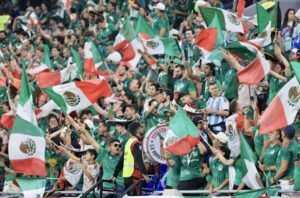
Tournament organizers are expected to review reports from match officials before determining whether further action is warranted. FIFA has not yet announced whether disciplinary proceedings will be opened, but previous cases suggest that penalties remain a possibility if evidence confirms repeated use of the chant during the match.
As the World Cup continues, football authorities face renewed pressure to balance enforcement of anti-discrimination policies with efforts to educate supporters and change long-standing fan behavior. The latest incident serves as a reminder that despite years of campaigns and sanctions, discriminatory conduct remains an ongoing challenge for the global game