
Weather
Europe’s Deadly Heatwave Linked to 1,300 Deaths as Germany Records Historic 41.7°C

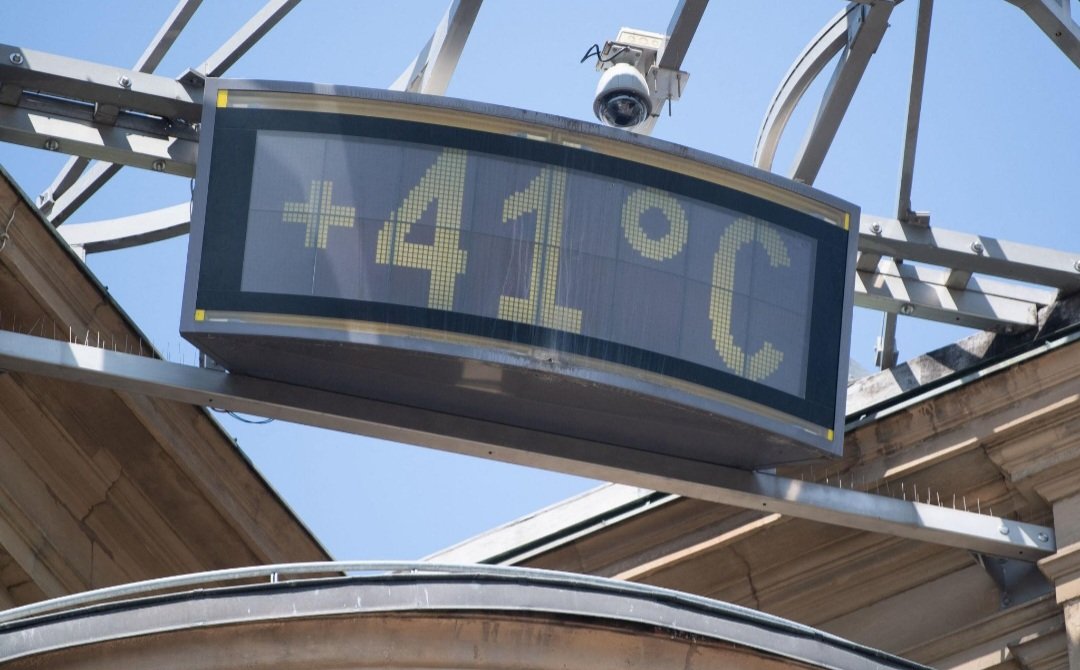
Europe’s ongoing heatwave has been linked to approximately 1,300 deaths across the continent, according to the World Health Organization (WHO), as several countries continue to experience record-breaking temperatures and worsening public health concerns. The crisis reached a new milestone when Germany recorded an all-time high temperature of 41.7 degrees Celsius, surpassing previous national records and highlighting the severity of the extreme weather event.
Health officials say the prolonged period of exceptional heat has placed enormous strain on hospitals, emergency services, and vulnerable populations, particularly the elderly, young children, and individuals with underlying medical conditions. The WHO warned that the actual number of heat-related deaths could ultimately be significantly higher as authorities continue to analyze mortality data from affected countries.
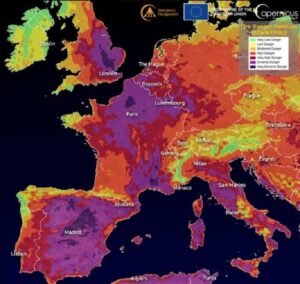
The latest heatwave has impacted large parts of Western, Central, and Southern Europe, with countries including Germany, France, Spain, Italy, Belgium, the Netherlands, Denmark, and the Czech Republic reporting unusually high temperatures. Meteorological agencies across the region have issued repeated warnings, urging residents to limit outdoor activities, stay hydrated, and seek shelter during peak afternoon temperatures.

Germany’s record temperature of 41.7°C was recorded amid a broader pattern of extreme heat that has affected millions of people. Several German cities implemented emergency measures, including cooling centers, public water distribution points, and health advisories designed to protect residents from heat-related illnesses.
According to WHO officials, heat remains one of the deadliest weather-related hazards globally. Unlike storms or floods, extreme heat often causes fatalities indirectly through dehydration, heatstroke, cardiovascular complications, and respiratory illnesses. Many heat-related deaths occur among individuals who may not initially appear to be at immediate risk.
Hospitals in several European countries have reported increases in admissions linked to heat exhaustion, dehydration, and other temperature-related medical conditions. Emergency responders have also faced rising demand as vulnerable residents seek assistance during periods of sustained high temperatures.
The heatwave has had consequences beyond public health. Agricultural sectors across Europe are reporting stress on crops and livestock, while energy systems have come under pressure as households and businesses increase their use of air conditioning and cooling equipment. Water authorities in some regions have introduced conservation measures amid concerns about declining reservoir levels and drought conditions.
Scientists and climate experts note that Europe is warming faster than many other regions of the world. Research published in recent years has linked the growing frequency and intensity of heatwaves to climate change, with warmer global temperatures increasing the likelihood of extreme weather events.

The WHO has repeatedly called on governments to strengthen heat preparedness plans, arguing that early warning systems, public awareness campaigns, and investments in climate resilience can significantly reduce mortality during future heatwaves. Public health specialists say urban areas are particularly vulnerable due to the “heat island” effect, where concrete and asphalt surfaces absorb and retain heat.
Across Europe, residents have sought relief in parks, beaches, lakes, fountains, and designated cooling centers. However, authorities continue to caution that the danger remains significant, particularly as some regions are expected to experience further periods of extreme heat in the coming weeks.
Environmental groups have pointed to the latest heatwave as further evidence of the need for stronger climate adaptation and mitigation measures. They argue that governments must prepare for a future in which severe heat events become increasingly common.
As Europe confronts one of its most intense heatwaves in recent history, officials are urging vigilance and public cooperation. With temperatures remaining above seasonal averages in many areas and the death toll continuing to rise, health authorities warn that the full impact of the crisis may not be known for weeks or even months.