
Weather
Record-Breaking Heatwave Sweeps Germany, Denmark and Czech Republic

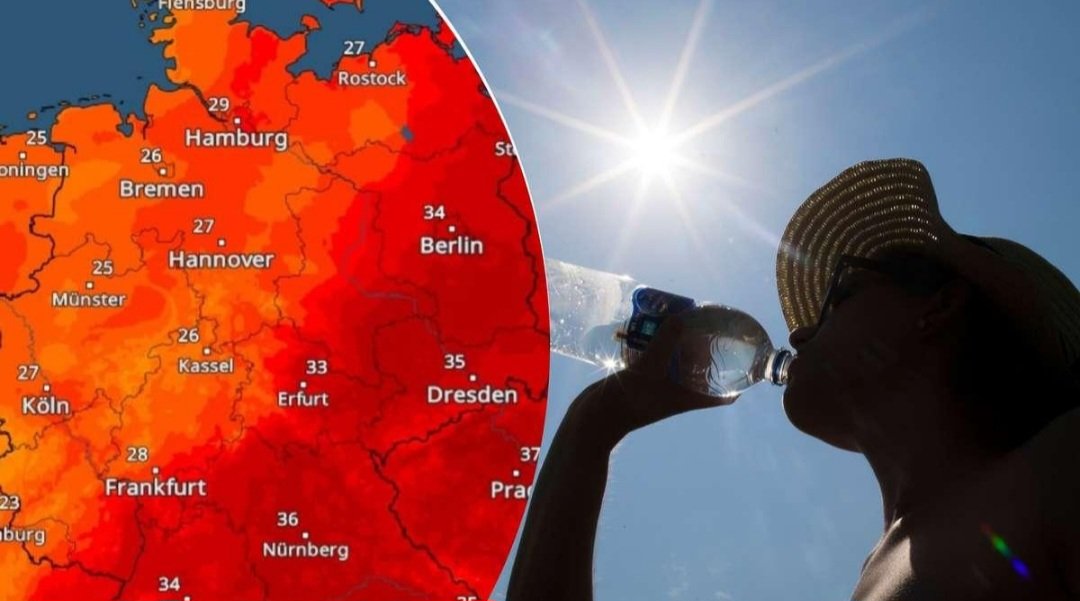
An intense heatwave has shattered temperature records across parts of Central and Northern Europe, with Germany, Denmark, and the Czech Republic experiencing some of the highest temperatures ever recorded for this time of year. Meteorologists have warned that the extreme conditions could persist for several days, raising concerns about public health, infrastructure strain, and wildfire risks.
The heatwave is part of a broader pattern of unusually high temperatures affecting much of Europe during the summer season. Weather agencies across the region reported record-breaking daytime temperatures as hot air masses moved northward from Southern Europe and North Africa, creating conditions more commonly associated with Mediterranean climates than Northern Europe.

In Germany, several regions registered temperatures exceeding previous local records. Cities across the country reported sweltering conditions, prompting authorities to issue heat advisories and urge residents to stay hydrated, avoid prolonged exposure to the sun, and check on vulnerable individuals such as the elderly and those with underlying health conditions.
Hospitals and emergency services in some German states reported an increase in heat-related illnesses, including dehydration and heat exhaustion. Local governments also opened cooling centers and expanded public information campaigns aimed at reducing health risks during the extreme weather event.

The heatwave extended northward into Denmark, where meteorologists confirmed that several monitoring stations recorded temperatures unprecedented for late June. While Denmark is generally known for its mild summers, the current conditions have challenged historical records and placed additional pressure on energy systems as demand for cooling increased.
Public beaches, parks, and waterfront areas in Danish cities became crowded as residents sought relief from the unusually high temperatures. Authorities meanwhile warned swimmers to remain cautious and encouraged people to limit outdoor activities during the hottest parts of the day.

The Czech Republic also experienced record-setting temperatures, particularly in central and southern regions. In Prague and other major cities, temperatures climbed well above seasonal averages, leading authorities to issue weather alerts and monitor vulnerable populations.
Environmental experts noted that prolonged periods of extreme heat can have significant economic consequences, including reduced agricultural productivity, increased water demand, and heightened wildfire danger. Several European countries have already reported dry vegetation and deteriorating soil moisture levels following weeks of below-average rainfall.

Climate scientists say that while individual heatwaves cannot be attributed solely to climate change, rising global temperatures have increased both the frequency and intensity of extreme weather events. Recent years have seen Europe experience some of its hottest summers on record, with heatwaves becoming longer-lasting and more severe.
The current weather system has also sparked concerns about transportation networks. Rail operators in parts of Europe have introduced speed restrictions to prevent damage to tracks, while road authorities have monitored highways for heat-related surface deterioration.

Energy providers across the affected countries are closely watching electricity demand as households and businesses rely more heavily on air-conditioning and cooling systems. Although widespread power disruptions have not been reported, officials remain on alert as temperatures continue to test infrastructure.
Health agencies throughout Europe have reiterated advice for residents to drink plenty of water, remain in shaded or air-conditioned environments when possible, and pay special attention to children, older adults, and individuals with chronic medical conditions.

Meteorologists expect some areas to experience relief later in the week as cooler Atlantic air moves into parts of Northern Europe. However, forecasts indicate that above-average temperatures may continue across sections of Central Europe, prolonging concerns about public safety and environmental impacts.
The latest heatwave adds to growing evidence that Europe remains one of the world’s fastest-warming regions, with governments increasingly under pressure to strengthen climate adaptation measures and prepare communities for more frequent episodes of extreme weather.