
International
Algerians Vote in Parliamentary Elections Amid Economic Hardship and Political Restrictions

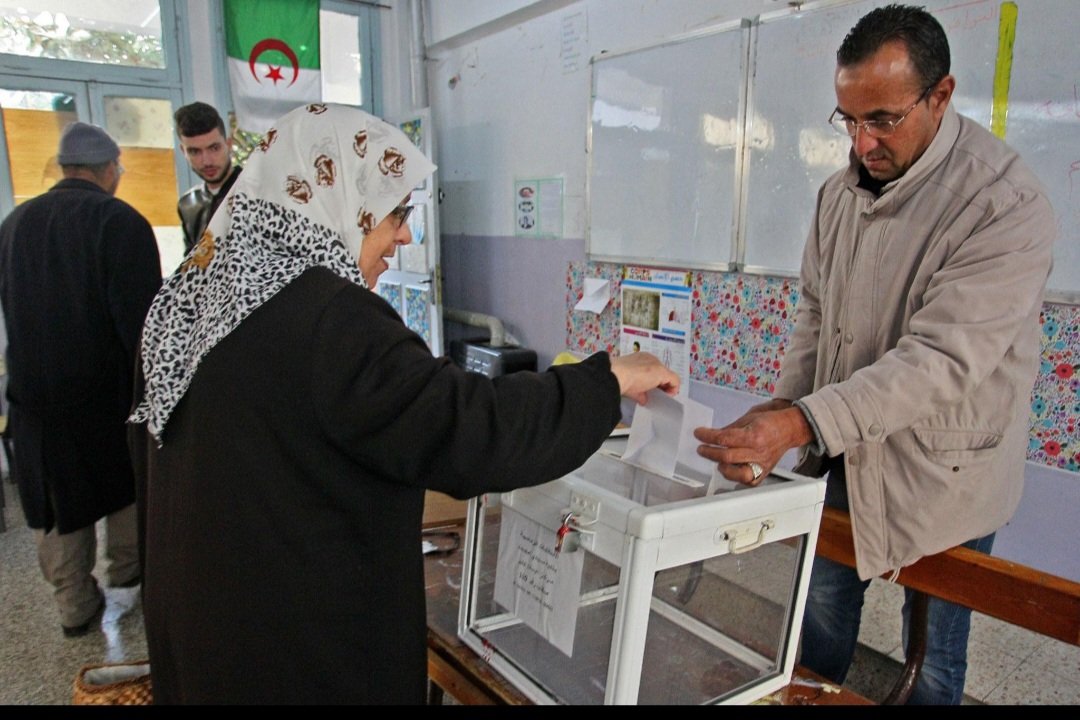
Millions of Algerians headed to the polls on Thursday to elect a new parliament in elections dominated by rising living costs, public dissatisfaction over economic conditions, and controversy surrounding the exclusion of hundreds of candidates from the race.
Nearly 25 million registered voters are eligible to cast ballots to elect 407 members of the People’s National Assembly, Algeria’s lower house of parliament, from a field of 1,235 candidates. The elected lawmakers will serve five-year terms in a vote widely viewed as a key test of public confidence in the country’s political system.
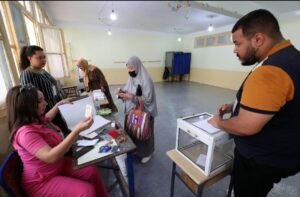
Despite the significance of the election, voter turnout emerged as one of the biggest concerns. Campaign rallies reportedly drew sparse crowds in the weeks leading up to polling day, prompting the government to declare Thursday a paid national holiday in an effort to encourage greater participation. Authorities also rescheduled school examinations so classrooms could be used as polling stations.
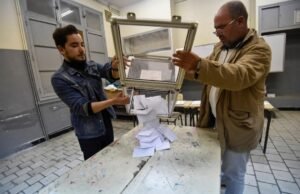
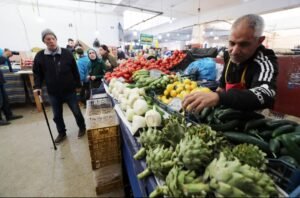
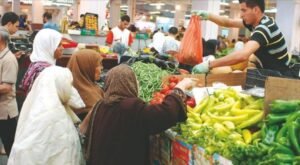
For many Algerians, however, daily economic challenges have overshadowed electoral politics. Rising food prices, declining purchasing power, unemployment and concerns about the quality of public services have become dominant issues for voters. Many citizens say their immediate concern is coping with the increasing cost of living rather than campaign promises made by political parties.
The election has also been marked by controversy over the disqualification of 269 candidates, including several members of the opposition Movement of Society for Peace (MSP) and former activists associated with the Hirak pro-democracy movement that helped bring an end to the presidency of Abdelaziz Bouteflika in 2019. Electoral authorities said those barred from contesting had alleged links to illicit financial networks or suspicious political activities, while critics argue the exclusions further narrow Algeria’s political space.
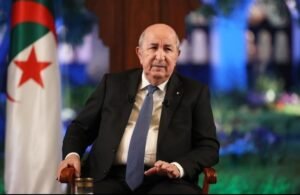
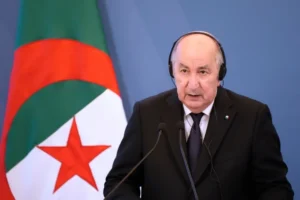
The governing coalition enters the election with a commanding parliamentary majority of around 300 seats, while the Islamist Movement of Society for Peace (MSP) remains the largest opposition force with 64 seats. Analysts say the vote is unlikely to dramatically alter the balance of power but could provide insight into public sentiment toward the administration of President Abdelmadjid Tebboune.
Special voting arrangements were introduced to accommodate Algeria’s vast geography. Balloting in remote Sahara regions began two days early to allow election officials to transport ballot boxes to nomadic communities under police escort. Algerians living abroad, particularly in France, cast their votes during the previous weekend at consular offices.
The elections are taking place amid continued concerns from human rights groups and political observers over restrictions on media freedom, civil society and opposition activity. Critics argue that the shrinking political space has contributed to widespread voter apathy, while the government maintains that the electoral process is transparent and necessary to preserve stability.
Adding an unusual backdrop to the vote, many Algerians have also been focused on football, with the national team preparing for a crucial FIFA World Cup knockout match against Switzerland. The sporting event has competed with election coverage for public attention, reflecting the mood of a population balancing national politics with everyday concerns.
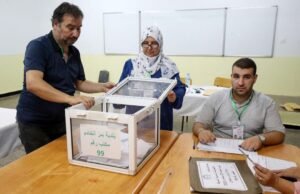
Results are expected after voting concludes, with observers closely watching turnout figures and the performance of opposition parties. Regardless of the outcome, analysts say the election will be judged not only by who wins seats in parliament but also by whether it restores confidence among voters grappling with economic pressures and demands for greater political openness.