
Africa
Burkina Faso, Mali and Niger Formally Begin Withdrawal from International Criminal Court

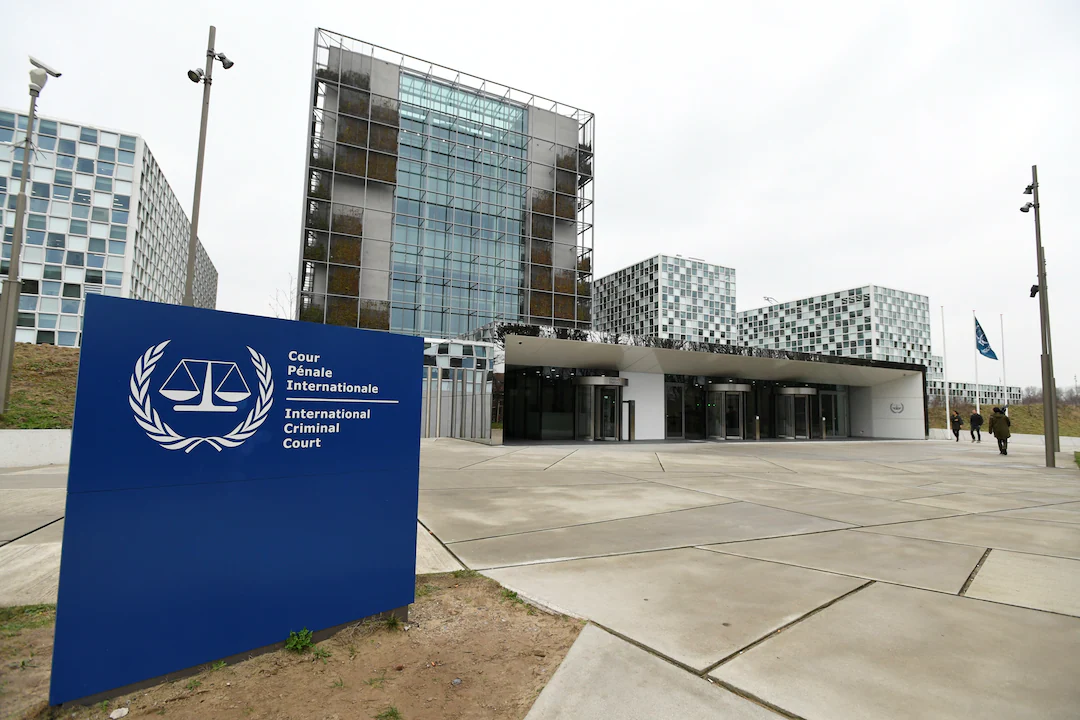
The International Criminal Court (ICC) has confirmed that Burkina Faso, Mali, and Niger have formally initiated the process of withdrawing from the court, marking another significant step in the three military-led West African nations’ efforts to distance themselves from Western-backed international institutions. The move begins a one-year countdown before their withdrawal from the court officially takes effect.
The ICC announced that the three countries had deposited formal notifications of withdrawal from the Rome Statute, the treaty that established the world’s permanent war crimes tribunal. Under the treaty’s provisions, withdrawal becomes effective one year after the notification is received by the United Nations Secretary-General. Until then, the three countries remain full members of the court and continue to be bound by its obligations.
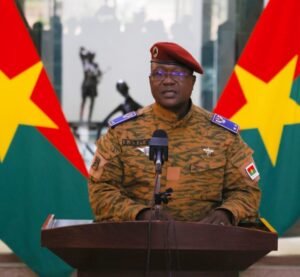
Burkina Faso, Mali, and Niger first announced their intention to leave the ICC in September 2025, accusing the court of serving as “a tool of neo-colonial repression.” Their governments argue that the tribunal disproportionately targets African states while failing to hold powerful nations to the same standards of international justice.

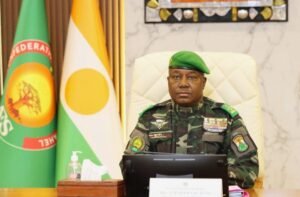
The three countries are all governed by military juntas that seized power through coups between 2020 and 2023. Since then, they have steadily reduced cooperation with Western governments, expelled French military forces, strengthened security ties with Russia, withdrawn from the Economic Community of West African States (ECOWAS), and formed their own regional alliance known as the Alliance of Sahel States (AES).
In its statement, the ICC expressed concern over the withdrawals, warning that they could weaken international efforts to combat impunity for genocide, crimes against humanity, war crimes, and the crime of aggression. The court stressed that leaving the Rome Statute does not erase legal obligations incurred while the countries were members, nor does it halt investigations or proceedings that began before the withdrawal becomes effective.

The issue is particularly significant for Mali, where the ICC has been investigating alleged war crimes and crimes against humanity since 2013 following the conflict in the country’s north. Legal experts note that Mali’s withdrawal will not affect those existing investigations, which will continue even after its departure from the court. Burkina Faso and Niger are not currently the subject of public ICC investigations.

Human rights organizations have strongly criticized the decision. Amnesty International warned that withdrawing from the ICC could deny thousands of victims of conflict-related atrocities access to justice, truth, and reparations. The organization said civilians across the Sahel have suffered grave abuses committed by both Islamist armed groups and government security forces, making international accountability mechanisms especially important.
The three countries continue to battle Islamist insurgencies linked to al-Qaeda and the Islamic State, with violence intensifying across the Sahel in recent years. Rights groups have repeatedly accused both extremist groups and national armed forces of committing serious violations of international humanitarian law.
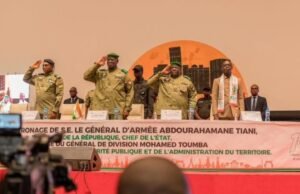
The withdrawals underscore the widening geopolitical divide between the military-led Sahel governments and Western institutions. While their leaders argue the decision is necessary to protect national sovereignty, critics warn it could weaken international accountability for some of the world’s most serious crimes. The withdrawals will officially take effect in mid-2027 unless the governments reverse their decisions before then.