
International
Cuban Zoo Celebrates Rare Bengal Tiger Births Amid Economic Hardship

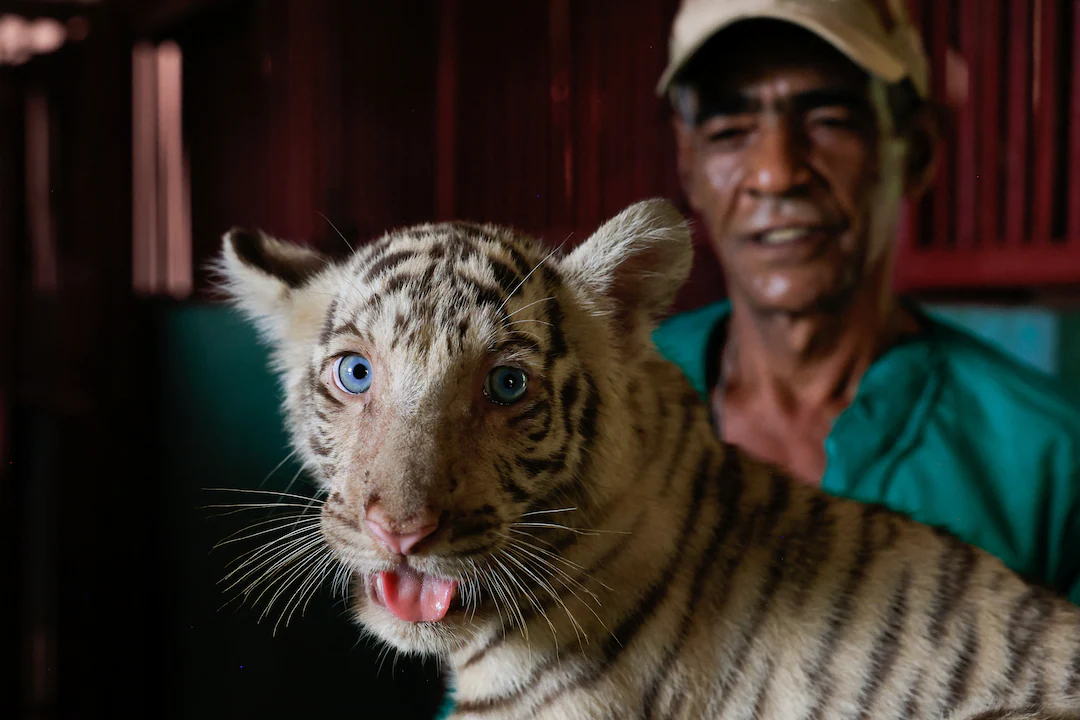
Zookeepers in Cuba are celebrating the successful birth of a litter of Bengal tiger cubs, a rare conservation achievement that has brought excitement to animal lovers and wildlife experts despite the country’s ongoing economic challenges.
The cubs were born at a Cuban zoological park after months of careful monitoring by veterinary teams and animal care specialists. Zoo officials described the births as an extraordinary success, particularly given the difficulties many Cuban institutions face in securing veterinary supplies, specialized animal feed and other resources necessary for the care of large predators.

The arrival of the cubs has been welcomed as a positive development for conservation efforts involving Bengal tigers, a species that faces significant threats in the wild from habitat loss, poaching and human encroachment. While zoo-born animals are not typically released into the wild, conservationists say breeding programs play an important role in maintaining healthy genetic populations and raising public awareness about endangered species.
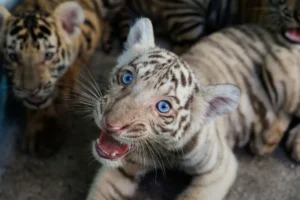
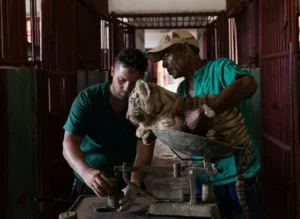
According to zoo staff, both the mother tiger and her cubs are healthy and receiving round-the-clock care. Veterinarians have conducted regular examinations and are closely monitoring the cubs’ growth during the critical first weeks of life. Early reports indicate that the newborns are feeding normally and showing encouraging signs of development.

The births have generated widespread public interest across Cuba, with many residents viewing the cubs as a symbol of resilience and hope. Social media users and visitors have praised the dedication of zoo workers who managed to achieve the successful breeding despite limited resources and operational challenges.
Wildlife experts note that Bengal tigers remain one of the world’s most recognizable big cat species. Native primarily to the Indian subcontinent, the animals are classified as endangered, with conservation efforts focused on protecting remaining habitats and reducing illegal hunting.

Zoo officials say the cubs will remain under close observation for several months before being gradually introduced to larger outdoor enclosures. Educational programs are also being planned to use the births as an opportunity to teach visitors about tiger conservation and biodiversity protection.
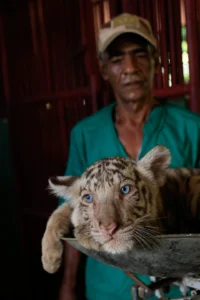
For the zookeepers who spent months preparing for the births, the arrival of the cubs represents a reward for years of dedication. Their success has become a rare uplifting story and a reminder of the importance of wildlife conservation even during difficult economic times.