
War
US Launches Fresh Airstrikes on Iran as Tehran Retaliates Against Gulf States

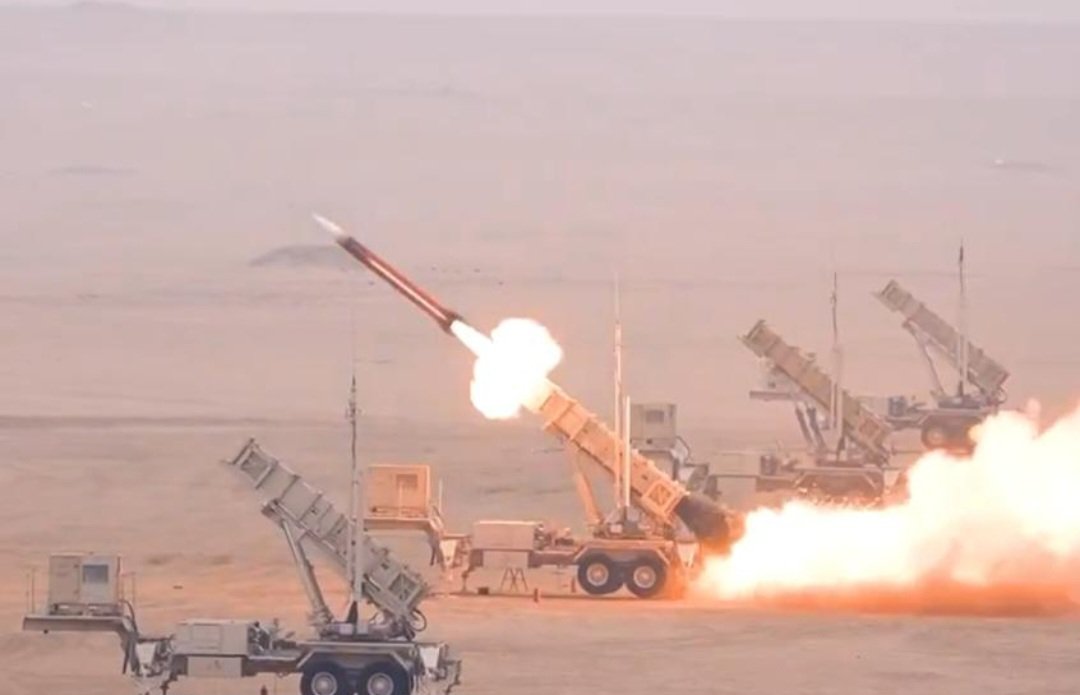
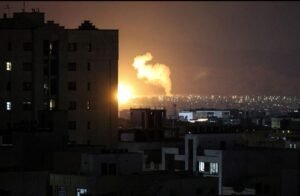
The conflict between the United States and Iran has entered a dangerous new phase after U.S. forces launched a fresh wave of airstrikes against Iranian military targets, prompting Tehran to retaliate with missile and drone attacks targeting American military installations in Bahrain, Kuwait and Qatar. The latest escalation has heightened fears of a broader regional war while sending global oil prices sharply higher.
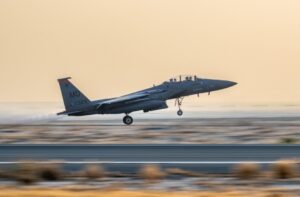
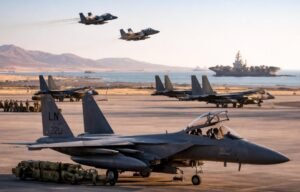
According to U.S. officials, the strikes targeted around 90 military sites across Iran, including missile launch facilities, airfields, military logistics hubs, bridges and command infrastructure. The U.S. military said the operation was carried out in response to Iran’s recent attacks on commercial vessels transiting the Strait of Hormuz, one of the world’s most important energy shipping routes.
The U.S. Central Command (CENTCOM) said the objective of the strikes was to weaken Iran’s ability to threaten international shipping and regional security, adding that precision-guided munitions were used during the operation.
Iran responded within hours, launching missiles and drones toward U.S. military facilities in Bahrain, Kuwait and Qatar. Air defence systems in the Gulf intercepted many of the incoming projectiles, though authorities reported explosions in some areas as residents were urged to remain indoors while emergency measures were activated.
The renewed fighting follows the collapse of an interim ceasefire that had briefly reduced hostilities between Washington and Tehran. U.S. President Donald Trump declared the truce over, warning that additional military action would follow if Iran continued targeting international shipping or U.S. interests in the region. Iranian officials, meanwhile, accused Washington of violating previous understandings and vowed further retaliation if attacks continue.
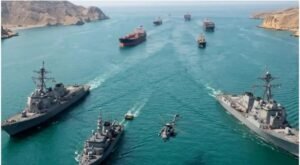
The conflict has also rattled global financial markets. Oil prices climbed by more than a dollar per barrel as traders reacted to the heightened risk of disruption in the Strait of Hormuz, a vital chokepoint through which roughly one-fifth of the world’s oil supply normally passes. Shipping companies and maritime security agencies have raised threat levels for vessels operating in the Gulf.
Diplomatic efforts to restore calm appear increasingly fragile. Regional governments have urged restraint while monitoring the security situation closely, fearing the conflict could spread beyond Iran and the Gulf. Analysts warn that continued exchanges of missile strikes and air raids could draw additional countries into the confrontation and further destabilize the Middle East.
Military analysts say both sides retain significant capabilities despite months of fighting, raising concerns that the latest exchange could mark the beginning of another prolonged phase of conflict unless diplomatic channels are revived. The humanitarian and economic consequences are also expected to grow if hostilities continue, particularly through disruptions to energy markets and international trade routes.