
International
Cubans Turn to Solar Tricycles Amid Energy Crisis and Blackouts

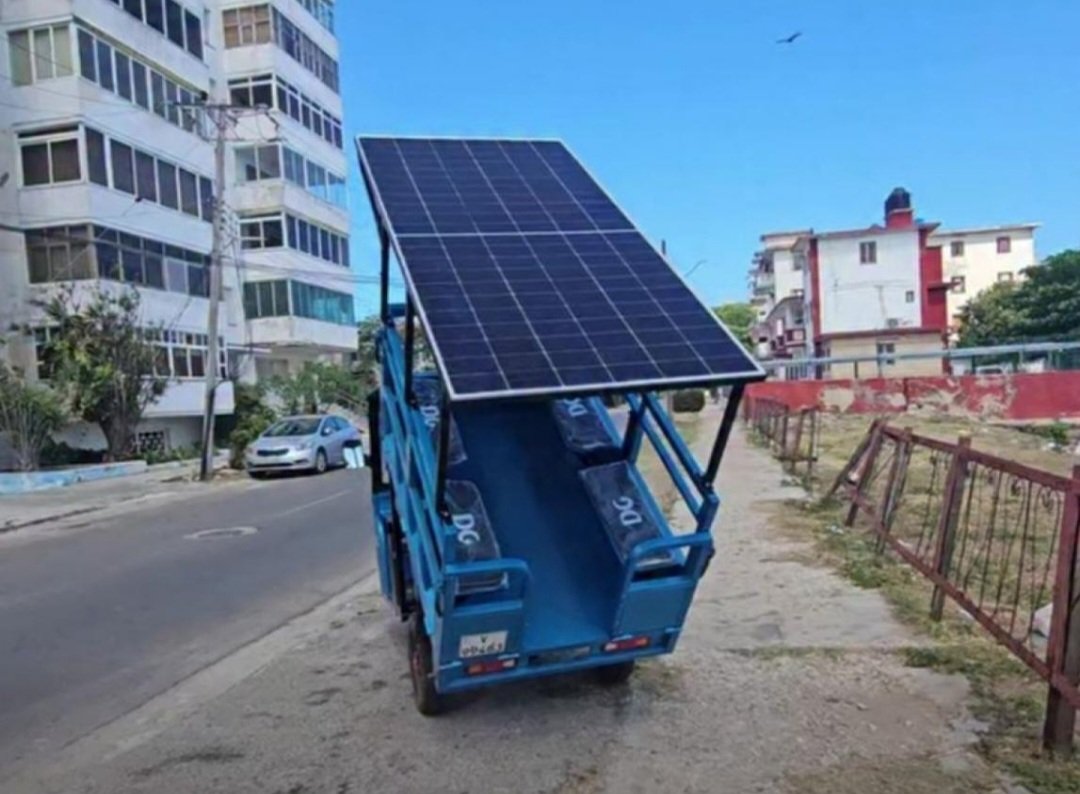
As Cuba continues to grapple with chronic fuel shortages and frequent electricity blackouts, a growing number of residents are turning to solar-powered tricycles as an affordable and sustainable means of transportation.
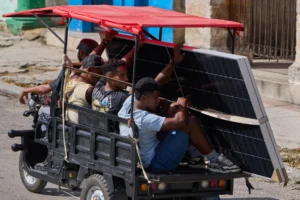
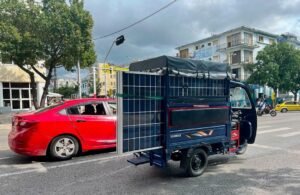
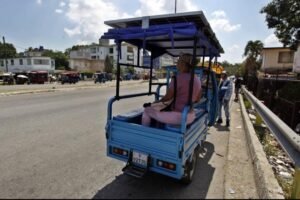
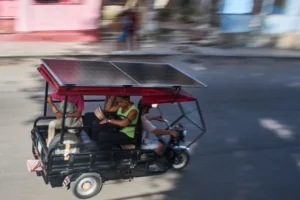
The three-wheeled vehicles, equipped with rooftop solar panels and rechargeable batteries, are increasingly visible on streets across several Cuban cities. For many drivers and passengers, they represent a practical solution to transportation disruptions caused by ongoing economic and energy challenges.
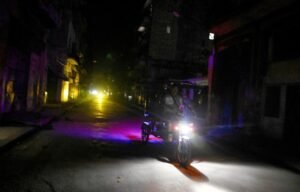
Fuel scarcity has become a persistent problem in Cuba, affecting public transportation, private vehicle owners and commercial operators. Long queues at petrol stations have become common, while periodic power outages have further complicated daily life for millions of residents.
Against this backdrop, solar-powered tricycles have emerged as an innovative alternative. The vehicles use sunlight to charge onboard batteries, reducing dependence on gasoline and allowing operators to continue working even during periods of fuel scarcity.
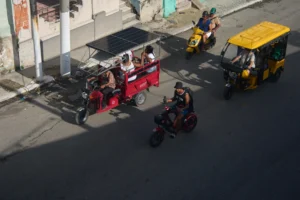
Many drivers say the tricycles have helped them maintain their livelihoods. Unlike conventional fuel-powered vehicles, the solar-assisted units can operate with significantly lower running costs, making them attractive in a country where access to fuel can be unpredictable.
Passengers have also welcomed the development. In some communities, solar-powered tricycles provide transportation to markets, schools, workplaces and healthcare facilities when buses and other services are unavailable or delayed due to fuel shortages.
Environmental advocates view the vehicles as an example of how renewable energy technologies can address practical challenges while reducing emissions. Although the number of solar tricycles remains relatively small compared with Cuba’s overall transportation network, supporters believe the concept has significant potential for expansion.
Engineers and entrepreneurs involved in the projects say improvements in battery technology and solar panel efficiency have made such vehicles increasingly viable. Some models can travel considerable distances on a single charge, particularly when supplemented by solar energy throughout the day.
The rise of solar-powered transportation comes as Cuba seeks ways to diversify its energy sources and reduce vulnerability to fuel supply disruptions. Authorities have announced broader plans to expand renewable energy generation, including investments in solar power infrastructure.
Economists note that transportation remains one of the sectors most heavily affected by fuel shortages. Alternative mobility solutions, including electric bicycles, scooters and solar-assisted vehicles, are therefore receiving greater attention from both policymakers and local communities.
For many Cubans, however, the appeal of solar tricycles is less about environmental policy and more about reliability. In a country where blackouts and fuel shortages can disrupt everyday activities, the vehicles offer a measure of independence and resilience.
As Cuba continues to navigate economic and energy challenges, the growing presence of solar-powered tricycles highlights how local innovation is helping communities adapt, keeping people and goods moving even when traditional transportation options face significant constraints.