
International
Democrats Scramble for New Candidate After Platner Withdraws From Senate Race

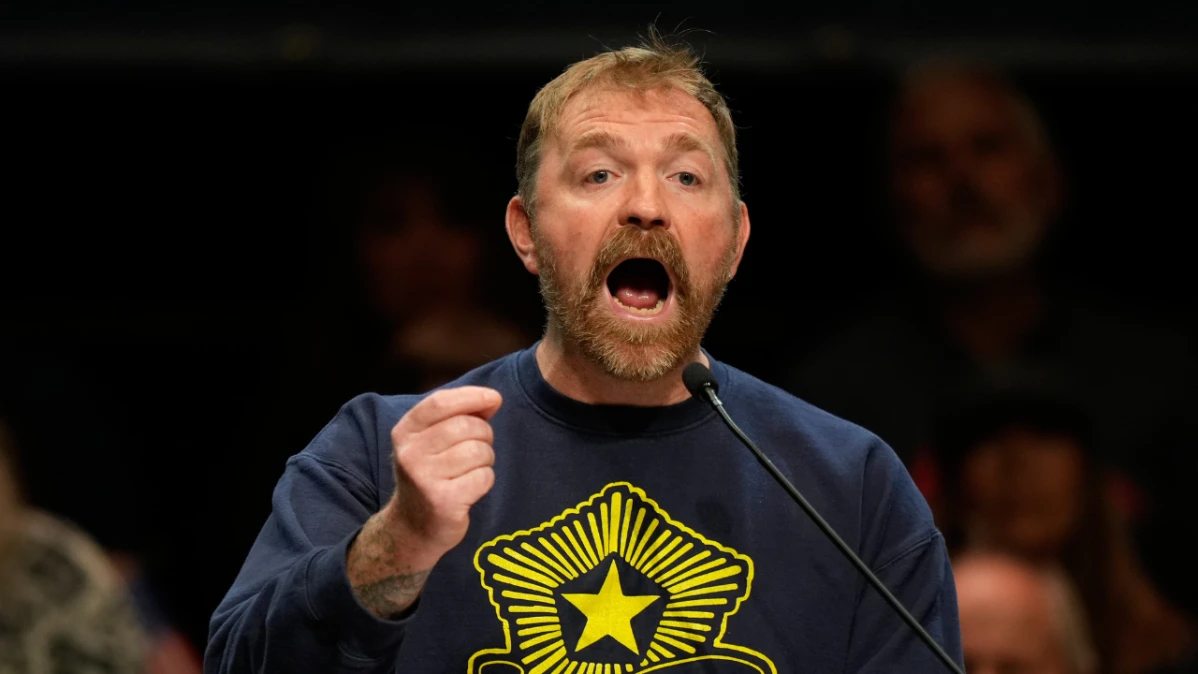
Democratic Senate candidate Graham Platner has officially withdrawn from Maine’s closely watched U.S. Senate race, setting in motion the Democratic Party’s formal process to select a replacement candidate in one of the most competitive Senate contests of the 2026 midterm elections.
Platner submitted the required withdrawal paperwork to the Maine Secretary of State, ensuring that his name will not appear on the November general election ballot. His decision follows the suspension of his campaign earlier this week amid a sexual assault allegation, which he has repeatedly denied.

With the withdrawal now official, the Maine Democratic Party has announced that it will hold a state nominating convention on July 25 to choose a new candidate. Under Maine election law, Democrats have until July 27 to certify their replacement nominee. Approximately 601 delegates from all 16 counties are expected to participate in the convention.
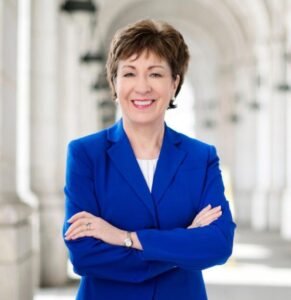
The race is considered critical to the battle for control of the U.S. Senate. Democrats had viewed Platner as one of their strongest opportunities to unseat incumbent Republican Senator Susan Collins, who is seeking another term. His sudden departure has forced the party to rapidly reorganize its campaign strategy just months before Election Day.
Several Democrats have already emerged as potential replacements. Among those expressing interest are former Maine Secretary of State Shenna Bellows, former Maine Senate President Troy Jackson, physician Nirav Shah, attorney Jordan Wood, former Senate candidate David Costello, educator Andrea LaFlamme, and State Representative Valli Geiger, who has indicated she is considering entering the race.

Maine Democratic Party Chairman Charlie Dingman said the party is prepared to move quickly and remains focused on fielding a strong nominee capable of mounting a competitive challenge against Collins. Party officials stressed that the replacement process will follow established rules to ensure delegates have the opportunity to select the candidate they believe has the best chance of winning in November.

Platner’s campaign had initially attracted national attention and endorsements from several prominent progressive figures, including Bernie Sanders. However, many supporters distanced themselves after the allegations surfaced, leading to mounting pressure for him to leave the race. Platner has maintained his innocence and described the allegations as false.
Political analysts say the change injects fresh uncertainty into one of the country’s most closely watched Senate races. While Republicans hope the turmoil will strengthen Collins’ re-election prospects, Democrats argue that selecting a new nominee quickly could allow the party to remain competitive in a state that has frequently delivered closely contested federal elections.
With the nomination process now underway, attention will shift to the July 25 convention, where delegates will decide who will carry the Democratic banner in a race that could play a significant role in determining control of the U.S. Senate after the 2026 elections.