
International
Businessman Who Sold Land for Kushner Resort in Albania Suspected of Faking Property Deeds

A businessman who sold a vast stretch of Albania’s Adriatic coastline for a luxury resort backed by Jared Kushner is under criminal investigation over allegations that he used forged property documents to secure ownership of the land, intensifying scrutiny of one of the country’s most controversial development projects.
Albania’s Special Structure Against Corruption and Organised Crime (SPAK) has identified Miami-based Albanian-American businessman Artur Shehu as a suspect in a wider investigation into alleged money laundering, drug trafficking and document forgery. Prosecutors claim Shehu acquired the coastal land using falsified ownership deeds before selling it in April 2026 for approximately €110 million to a development group affiliated with Kushner’s planned luxury resort.
Authorities allege that proceeds from international cocaine trafficking were used to acquire the disputed properties and have frozen assets connected to the investigation while legal proceedings continue. Arrest warrants have reportedly been issued for Shehu and several other suspects as part of a broader anti-organized crime operation. Shehu has denied all allegations, insisting the land was legally inherited and that the sale complied with Albanian law.
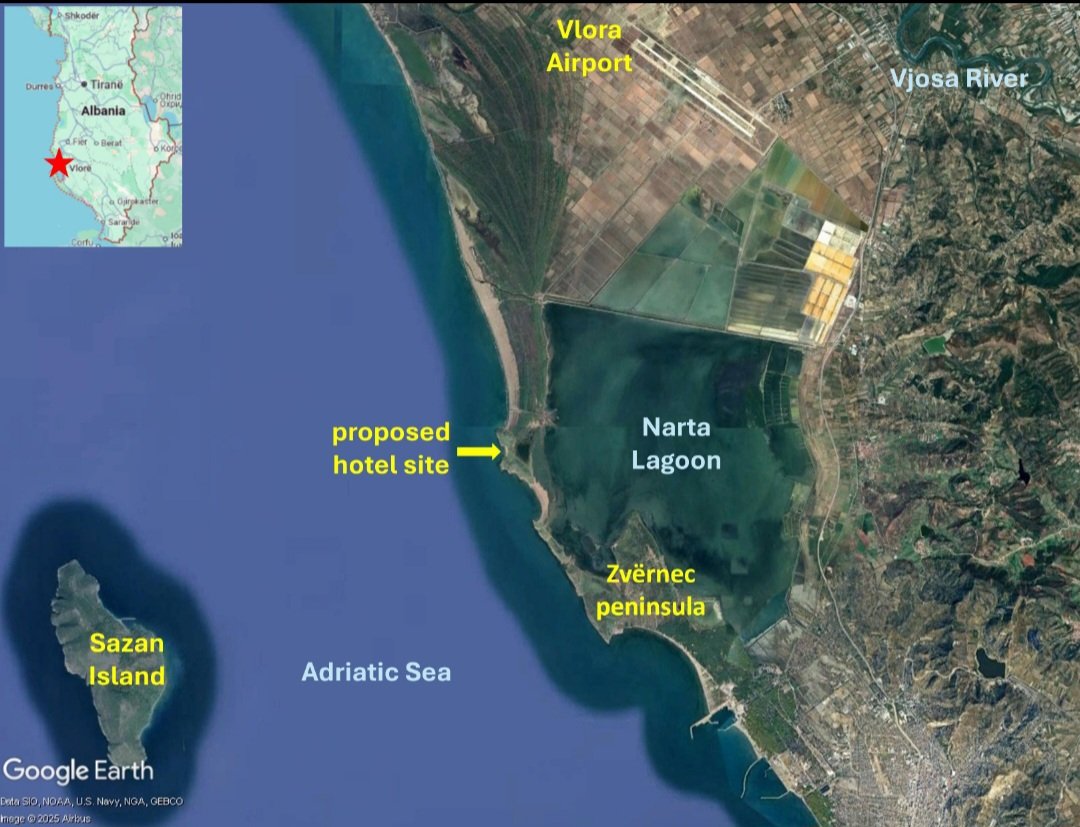
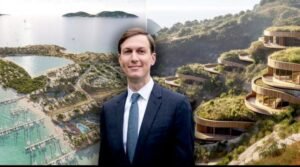
The investigation has added another layer of controversy to the multi-billion-euro tourism development proposed by Kushner and other international investors along Albania’s pristine southern coastline. The project includes plans for luxury hotels, villas, marinas and tourism infrastructure around the Zvërnec area and nearby Sazan Island, which the Albanian government has designated as a strategic investment intended to boost high-end tourism and economic growth.
Neither Jared Kushner nor any of the project’s investors have been accused of wrongdoing. Prosecutors have said there is no evidence that the developers were aware of any alleged irregularities surrounding the land’s ownership or acquisition. The investigation is focused solely on the circumstances under which the land was obtained and later sold.
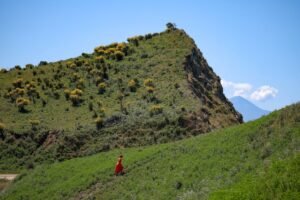
The resort project has nevertheless faced mounting opposition from local residents, environmental groups and civil society organizations. Demonstrators argue that the development threatens the protected Vjosa-Narta coastal ecosystem, home to flamingos and other endangered wildlife, while some families maintain that portions of the land were sold without their consent due to longstanding property disputes dating back to Albania’s communist era. The protests, known locally as the “Flamingo Revolution,” have grown into one of the country’s largest environmental movements in recent years.

Albanian Prime Minister Edi Rama has defended the project, describing it as a transformative investment that could strengthen tourism and attract foreign capital. His government insists the development will comply with environmental regulations and says anti-corruption authorities are free to investigate any alleged criminal activity connected to the land transactions. The European Union has also urged Albania to ensure the project meets environmental and rule-of-law standards as the country continues its EU accession process.
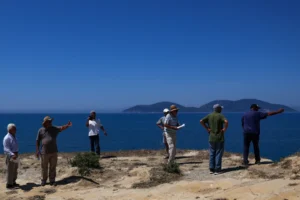
The outcome of the criminal investigation could have significant implications for one of the Balkans’ largest planned tourism investments. While construction planning continues, prosecutors are expected to determine whether the disputed land sale was based on fraudulent ownership claims and whether additional criminal charges will be filed against those involved.