
Business
Global Oil Demand Slows, but Americans Are Using More Gasoline Than Ever

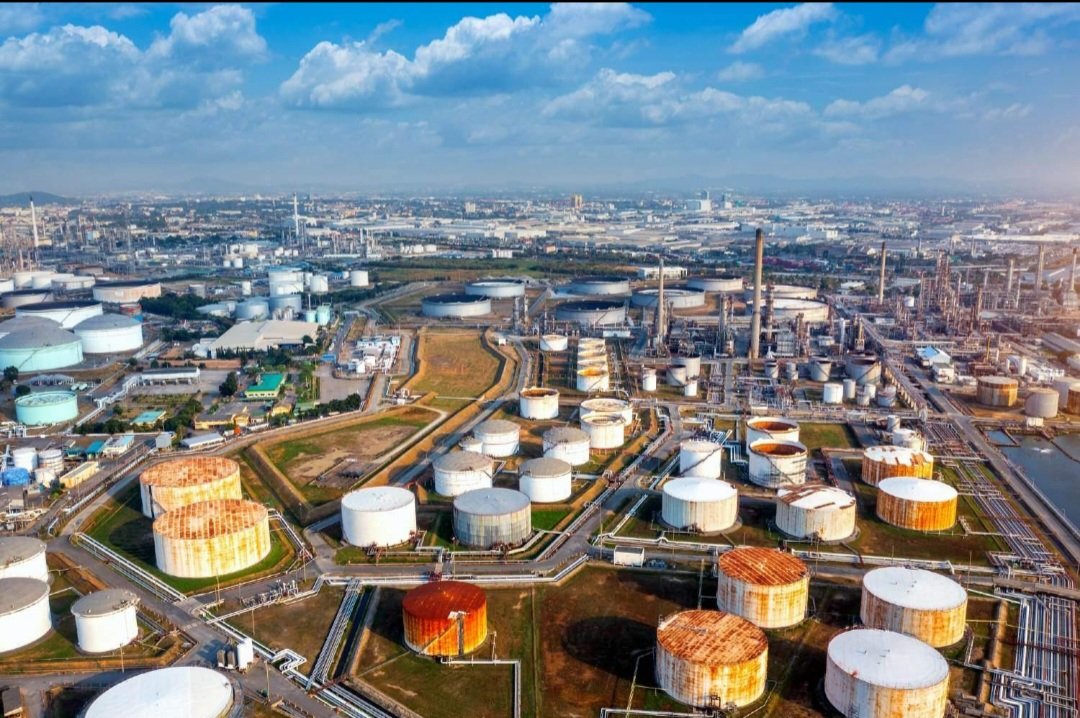
A growing divide is emerging in the global energy market as oil demand begins to slow in many parts of the world while gasoline consumption in the United States continues to rise. The trend highlights the challenges facing efforts to reduce fossil fuel dependence, even as governments and industries invest heavily in cleaner energy technologies.
According to recent industry data, global oil demand growth has weakened significantly compared with previous years. Analysts attribute the slowdown to increased adoption of electric vehicles, improvements in fuel efficiency, slower economic growth in major economies and government policies aimed at reducing carbon emissions. In countries such as China and across parts of Europe, demand for gasoline and diesel has either stagnated or begun to decline as consumers increasingly shift toward electric transportation.
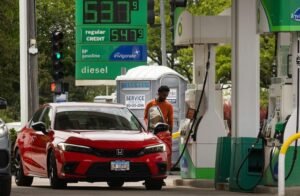
Despite these global trends, the United States has moved in the opposite direction. Data from the U.S. Energy Information Administration (EIA) indicates that gasoline consumption has remained robust throughout 2026, driven by strong summer travel demand, a resilient labor market and relatively affordable fuel prices compared with recent years. Americans continue to drive longer distances and rely heavily on personal vehicles for commuting and leisure travel.
Energy experts say the structure of the U.S. transportation system plays a major role. Unlike many European and Asian countries that have extensive public transportation networks, much of the United States remains heavily dependent on cars. Large suburban populations, long commuting distances and a preference for larger vehicles such as SUVs and pickup trucks continue to support strong fuel consumption.
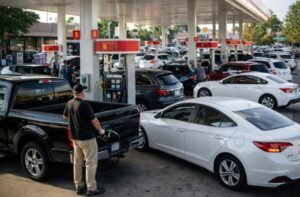
Another factor is the pace of electric vehicle adoption. While EV sales in the United States continue to grow, the transition has been slower than some policymakers and environmental advocates anticipated. Concerns about charging infrastructure, vehicle costs and battery range have led many consumers to continue purchasing gasoline-powered vehicles. As a result, traditional fuel demand remains higher than energy.
The divergence between global and U.S. demand patterns is having important implications for oil producers. Countries within the Organization of the Petroleum Exporting Countries (OPEC) and their allies have been closely monitoring weakening demand growth from major markets, particularly China. However, continued strength in U.S. gasoline consumption has helped offset some of that weakness and provided support for crude oil prices.

Environmental groups argue that the trend demonstrates the need for stronger incentives to accelerate the transition to cleaner transportation. They point to expanding public transit systems, increased investment in charging infrastructure and stricter fuel-efficiency standards as potential solutions for reducing long-term dependence on oil. Industry representatives, meanwhile, contend that consumers should retain the freedom to choose the vehicles that best meet their needs and budgets.
Looking ahead, analysts expect global oil demand growth to continue slowing over the next decade, particularly as electric vehicles gain market share and renewable energy technologies become more widespread. However, the U.S. market remains a critical factor in determining the pace of that transition. For now, while much of the world begins consuming less oil, American drivers are continuing to fill their tanks, underscoring the complex and uneven nature of the global energy transition.