
Business
China’s Export Growth Expected to Slow in June as AI Boom Softens Trade Headwinds

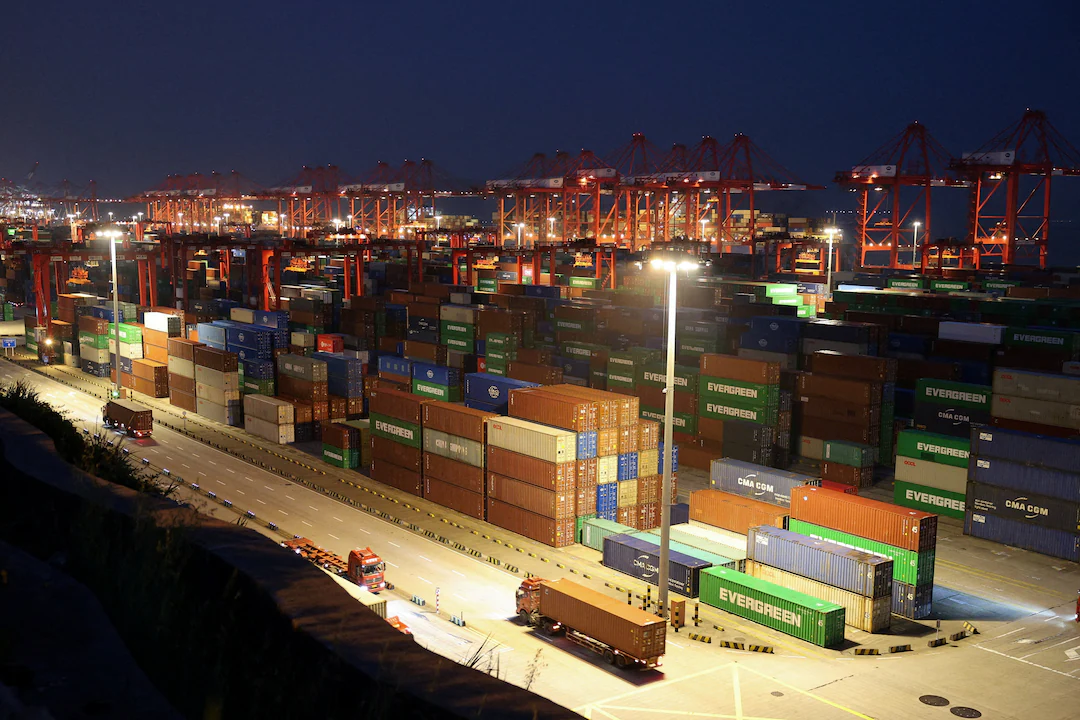
China’s export growth is expected to slow in June after several months of resilience, according to a Reuters survey of economists, although strong global demand for artificial intelligence-related products is helping cushion the impact of trade tensions, weaker global demand and ongoing economic challenges at home. The findings offer a mixed picture for the world’s second-largest economy as policymakers seek to sustain growth amid a changing international trade environment.
Economists surveyed by Reuters expect China’s exports to have risen by around 4.5% year-on-year in June, down from the stronger growth recorded in May. While exports continue to expand, analysts say the pace is moderating as businesses contend with softer demand in some overseas markets, lingering tariff uncertainties and slower manufacturing activity in several major economies.
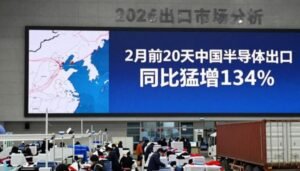
Despite the expected slowdown, one sector continues to stand out: artificial intelligence. Demand for AI-related products; including advanced electronics, data-centre equipment, servers, networking hardware and components used in machine-learning systems, has provided a significant boost to Chinese manufacturers. Analysts note that the global race to expand AI infrastructure has created fresh opportunities for exporters supplying key technologies and components used across the industry.
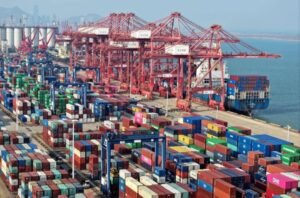
The surge in AI investment worldwide has helped offset weakness in more traditional export categories. Chinese technology firms have benefited from growing orders linked to cloud computing, semiconductor supply chains, high-performance computing equipment and industrial automation systems. Economists say these sectors are increasingly becoming important drivers of China’s export performance at a time when demand for consumer goods and some manufactured products has become less predictable.

Imports are also expected to show modest improvement, reflecting signs of stabilisation in domestic demand. However, analysts caution that China’s economic recovery remains uneven. The country’s property sector continues to face challenges, consumer spending has not fully recovered to pre-slowdown expectations, and local governments remain under financial pressure. These factors have contributed to calls for additional policy support from Beijing to maintain growth momentum.
Chinese policymakers have increasingly emphasised advanced manufacturing, high technology and innovation-led growth as key pillars of the country’s economic strategy. The rapid expansion of the AI industry aligns closely with those priorities, helping position China as a major supplier within global technology value chains despite restrictions imposed by some Western countries on advanced semiconductor technologies.
Financial markets are closely watching the upcoming trade data for clues about the health of China’s economy and the broader global outlook. Stronger-than-expected export figures could ease concerns about slowing growth, while weaker numbers may increase pressure on authorities to introduce additional stimulus measures. Investors will also be monitoring whether AI-related demand can continue to offset challenges in other sectors during the second half of the year.
The June trade figures are expected to provide one of the clearest indications yet of how effectively China is navigating a period marked by geopolitical tensions, shifting supply chains and rapid technological transformation. For now, economists say the AI boom remains one of the brightest spots supporting the country’s export sector even as overall trade growth begins to cool.