
Business
China’s Economic Growth Expected to Slow, Increasing Pressure for Fresh Stimulus

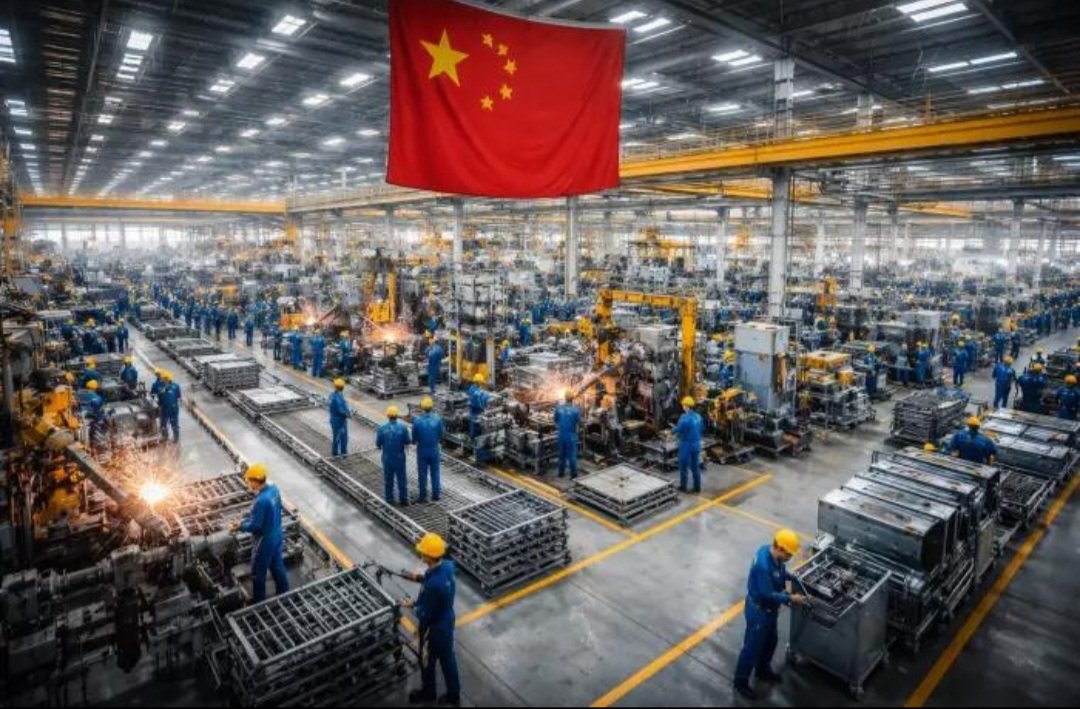
China’s economy is expected to post slower growth in the second quarter of 2026, according to a Reuters poll of economists, increasing pressure on policymakers in Beijing to introduce additional stimulus measures to support the world’s second-largest economy. While China has managed to maintain moderate growth despite global economic uncertainty, analysts say persistent weakness in the property sector, sluggish consumer spending and trade challenges are weighing on the country’s economic momentum.
Economists surveyed by Reuters forecast that China’s gross domestic product (GDP) expanded by approximately 4.8% year-on-year in the April-to-June quarter, down from the stronger growth recorded in the first quarter. The anticipated slowdown reflects a combination of domestic and external pressures that continue to challenge Beijing’s efforts to achieve its annual growth target.
One of the biggest drags on growth remains China’s prolonged property downturn. The real estate sector, which once served as a major engine of economic expansion, continues to struggle with weak home sales, falling prices in some cities and financial difficulties among developers. Despite a series of government support measures introduced over the past two years, confidence in the housing market has yet to fully recover.
Consumer spending has also remained uneven. While spending on services and travel has improved, households continue to exercise caution amid concerns about employment prospects and income growth. Retail sales have shown signs of recovery, but economists note that domestic demand is still not strong enough to offset broader economic weaknesses.
At the same time, China’s export sector; which has helped support growth in recent months, is expected to face increasing headwinds. Although strong global demand for artificial intelligence-related technology, electronics and advanced manufacturing products has provided some support, analysts believe slowing demand in major overseas markets could reduce export growth in the second half of the year.
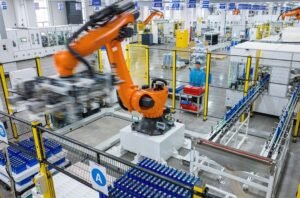
The expected moderation in GDP growth has strengthened expectations that Beijing will unveil additional stimulus measures in the coming months. Economists believe policymakers could introduce targeted fiscal spending, further infrastructure investment, tax relief for businesses and additional monetary easing by the People’s Bank of China. Some analysts also expect new measures aimed at stabilising the housing sector and boosting consumer confidence.
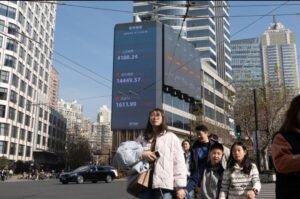
Chinese leaders have repeatedly emphasised the importance of maintaining stable growth while transitioning the economy toward high-tech manufacturing, innovation and domestic consumption. However, balancing short-term stimulus with longer-term structural reforms remains one of the government’s biggest economic challenges. Policymakers are also trying to manage local government debt levels while avoiding excessive financial risks.

Investors and markets are now closely watching the release of China’s official second-quarter GDP figures for signals about the health of the economy and the likelihood of further policy intervention. A weaker-than-expected reading could increase calls for aggressive stimulus measures, while stronger data may ease pressure on authorities but still leave questions about the sustainability of China’s recovery in an increasingly uncertain global environment.