
Sports
FIFA to Review Controversial Hydration Breaks After World Cup, Says Wenger

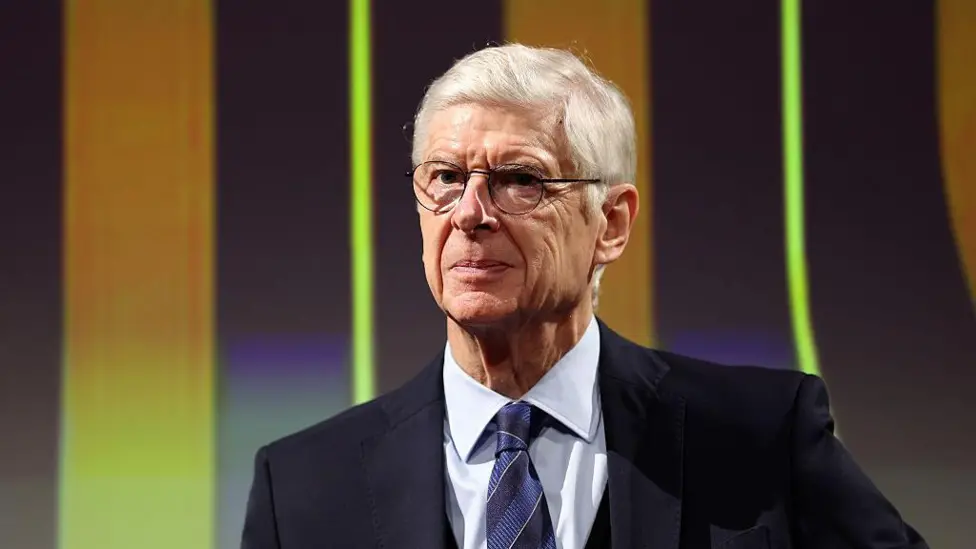
FIFA will conduct a comprehensive review of the mandatory hydration breaks introduced during the 2026 FIFA World Cup after the policy drew mixed reactions from players, coaches and supporters throughout the tournament, according to FIFA’s Chief of Global Football Development, Arsène Wenger.


Speaking ahead of Sunday’s World Cup final between Spain and Argentina, Wenger acknowledged that the three-minute hydration breaks were “not popular” with many fans and participants. However, he insisted the pauses did not alter the outcome of matches and were introduced primarily to protect players competing in challenging weather conditions across the United States, Canada and Mexico.

For the first time in World Cup history, FIFA made hydration breaks compulsory in every match. The scheduled pauses occurred midway through each half, regardless of whether games were played in intense heat or inside climate-controlled and covered stadiums. The decision quickly became one of the tournament’s most debated rule changes.
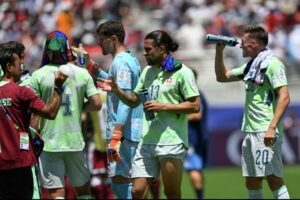
Many supporters voiced their frustration, arguing that the breaks interrupted the rhythm of matches and reduced the intensity of play. Fans at several venues were heard booing when play stopped, while critics also questioned whether the additional stoppages created more commercial opportunities for television broadcasters.
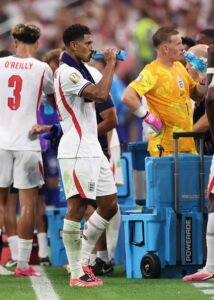
Several high-profile coaches and players expressed differing opinions. Spain coach Luis de la Fuente and Netherlands captain Virgil van Dijk supported the policy during matches played in extreme temperatures but questioned why it remained mandatory in cooler climates or at covered venues. England manager Thomas Tuchel said the breaks affected the flow of games more than expected, while Uruguay coach Marcelo Bielsa argued they disrupted football’s traditional rhythm.
Despite the criticism, Wenger defended FIFA’s decision, saying player welfare had been the governing body’s highest priority. He explained that because weather conditions varied significantly across the three host nations, FIFA chose to apply a uniform rule rather than create different standards for different venues.

“In some games, it was really needed,” Wenger said, adding that FIFA would now conduct a detailed assessment before deciding whether hydration breaks should remain part of future international tournaments. He emphasized that the organization had “not come to a conclusion yet” on the policy’s long-term future.
The review is expected to examine medical data, player feedback, coaching opinions, fan reactions and the overall impact on the spectacle of the game. FIFA will use the findings to determine whether hydration breaks should continue unchanged, be limited to matches played in extreme heat, or be modified for future competitions.

The debate over hydration breaks has become one of the defining off-field talking points of the expanded 48-team World Cup. While FIFA maintains that the measure was introduced solely to safeguard player health, the governing body now faces the challenge of balancing athlete welfare with preserving the uninterrupted flow that many supporters consider central to football’s appeal.