
Sports
From Halftime Shows to Hydration Breaks: How America Changed the World Cup

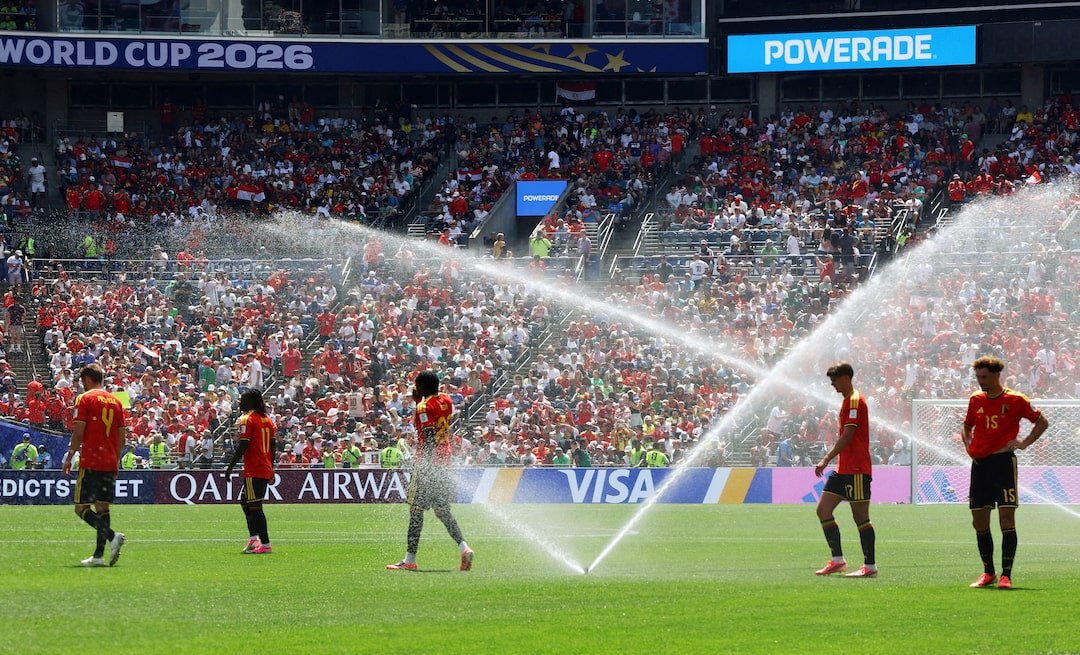
The 2026 FIFA World Cup may ultimately be remembered not only for Spain’s historic triumph but also for the sweeping changes that transformed football’s biggest tournament into a spectacle that blended the traditions of the world’s most popular sport with the entertainment-driven culture of American sports. While the tournament shattered attendance and television records, it also ignited fierce debate over whether FIFA had pushed commercialization too far, raising questions about the future identity of the game.
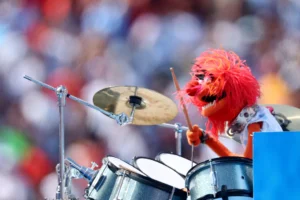
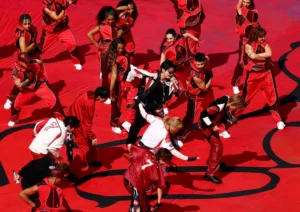
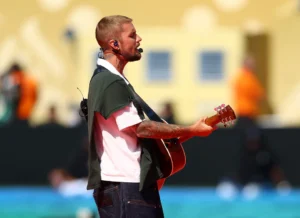
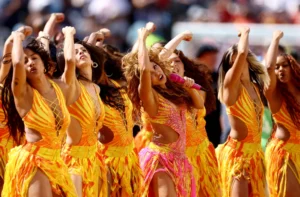
Hosted across the United States, Canada and Mexico, the expanded 48-team tournament was praised for its vibrant atmosphere, world-class stadiums and record global audiences. However, many of the innovations introduced during the competition divided opinion among players, coaches and supporters. Among the most controversial were mandatory mid-half hydration breaks, which effectively split matches into four segments, and a Super Bowl-style halftime show during the final that extended the traditional 15-minute interval to 27 minutes. Critics argued that these changes disrupted football’s continuous flow in favour of television and commercial interests.
The tournament also embraced uniquely American sporting traditions. Spain’s World Cup-winning squad received championship rings alongside the trophy, a custom long associated with major U.S. professional leagues such as the NFL, NBA and MLB. While some fans welcomed the innovations as memorable additions, others viewed them as unnecessary departures from football’s global traditions.
Another source of controversy was FIFA’s increasingly close relationship with U.S. political figures. The appearance of U.S. President Donald Trump alongside FIFA President Gianni Infantino during the World Cup final trophy presentation, where both were met with boos from sections of the crowd, fueled criticism that politics had become too intertwined with the sport. Earlier in the tournament, allegations of political interference surrounding disciplinary decisions had further intensified scrutiny of FIFA’s governance.
Refereeing also remained under the spotlight throughout the competition. New interpretations of the laws of the game, combined with continued reliance on Video Assistant Referee (VAR) technology, generated heated debate over consistency and transparency. Although FIFA defended the performance and independence of match officials, controversial decisions repeatedly dominated headlines and social media discussions.

The expanded format itself produced mixed reactions. Increasing the tournament from 32 to 48 teams created more opportunities for emerging football nations and delivered compelling stories from countries making rare World Cup appearances. However, the increase to 104 matches also led some observers to argue that the tournament lost some of the intensity and exclusivity that had defined previous editions.
Despite the debates, the World Cup delivered unforgettable sporting moments. Spain captured its second world title with an extra-time victory over Argentina, Rodri won the Golden Ball, and Kylian Mbappé secured another Golden Boot after finishing as the tournament’s top scorer. Packed stadiums, passionate travelling supporters and record-breaking television audiences demonstrated football’s enduring global appeal.
As attention shifts toward the 2030 FIFA World Cup, many analysts believe the biggest question is no longer who will lift the next trophy, but which of the innovations introduced in North America will become permanent. The 2026 tournament proved that football can successfully embrace new audiences and commercial opportunities, yet it also exposed deep concerns among traditional supporters who fear the sport could lose elements of the identity that made it the world’s most beloved game. Whether FIFA strikes the right balance between innovation and tradition may become one of the defining issues shaping football’s future.