
International
Britain’s New Prime Minister Andy Burnham Pledges to End Years of Political Instability

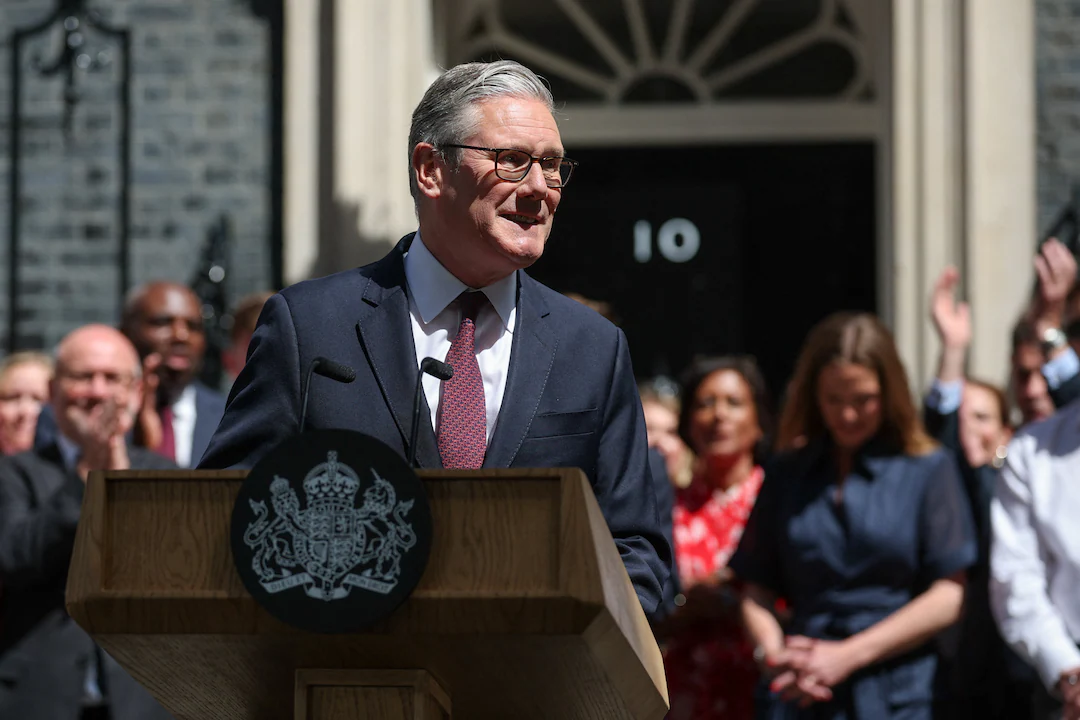
Britain’s newly elected Prime Minister, Andy Burnham, has pledged to bring an end to years of political and economic instability, promising to restore public trust in government and deliver what he described as a “decade of national renewal” following his victory and appointment as the country’s new leader. Burnham made the remarks in his first address outside 10 Downing Street, where he outlined an ambitious agenda focused on economic growth, public services and national unity.
Burnham, the former Mayor of Greater Manchester and leader of the Labour Party, assumed office after leading Labour to a decisive election victory that ended years of political uncertainty and frequent leadership changes in British politics. His rise to power follows a period marked by economic challenges, cost-of-living pressures, industrial disputes and debates over Britain’s post-Brexit direction.
Speaking to supporters and the nation, Burnham said voters had delivered a clear message demanding competence, stability and long-term planning. He pledged to move beyond the political turbulence that has defined much of Britain’s recent history, arguing that government must once again become a force for certainty and progress rather than division and crisis management.
A central theme of Burnham’s speech was economic recovery. The new prime minister promised measures aimed at boosting investment, strengthening Britain’s industrial base and improving living standards. He said his administration would focus on creating high-quality jobs, supporting businesses and accelerating infrastructure projects while maintaining fiscal responsibility.
The National Health Service featured prominently in his address. Burnham, who built much of his political reputation campaigning on healthcare issues, vowed to reduce waiting lists, increase staffing and improve access to medical services. He described the NHS as a symbol of national solidarity and said restoring its effectiveness would be one of his government’s highest priorities.
Burnham also signaled a different approach to relations between Westminster and regional governments. Drawing on his experience as Greater Manchester mayor, he promised greater devolution of powers and investment to cities and regions outside London, arguing that economic opportunity should be spread more evenly across the United Kingdom.
Internationally, the new prime minister emphasized Britain’s commitment to its allies while seeking pragmatic relationships with major global partners. He pledged continued support for Ukraine, reaffirmed Britain’s role within NATO and indicated that his government would pursue stronger economic cooperation with European partners without revisiting the question of rejoining the European Union.
Political analysts say Burnham enters office with significant public goodwill but faces considerable challenges. Economic growth remains sluggish, public finances are under pressure and expectations for rapid improvements in healthcare, housing and living standards are high. The success of his government, they say, will depend on whether it can translate promises of stability into tangible results for voters.
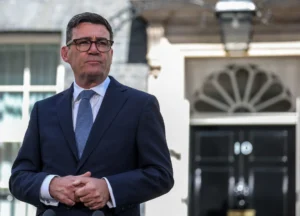
For many supporters, Burnham’s appointment represents a fresh start after years of political upheaval. In his first speech as prime minister, he sought to capture that sentiment, declaring that Britain had “turned a page” and that the task ahead was not merely to govern, but to rebuild confidence in the country’s future. Whether that promise can be fulfilled is likely to define the next chapter of British politics.