
General News
Economic Shock from Iran Conflict Pushes More Nigerian Families Into Poverty

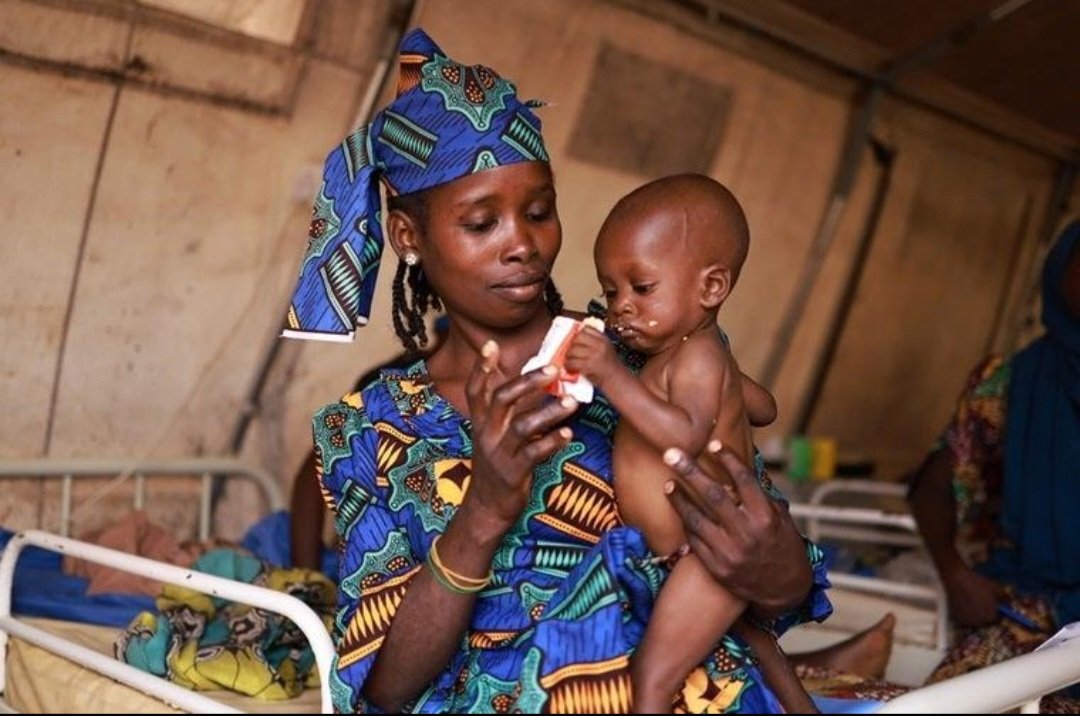
Thousands of children in northern Nigeria are facing worsening hunger and malnutrition as the economic fallout from the conflict involving Iran continues to drive up fuel and food prices, pushing already vulnerable families deeper into poverty. Aid agencies and health workers warn that the crisis is reversing gains made in child nutrition and threatening the health and development of millions of children across the region.
In Sokoto State, one of Nigeria’s poorest regions, many parents say they can no longer afford nutritious meals after the global energy shock triggered by the Middle East conflict caused petrol prices to soar. Among them is Maryam Aminu, whose 18-month-old daughter has suffered a second bout of malnutrition this year after the family’s financial situation deteriorated when her husband lost his job as a taxi driver following rising fuel costs.
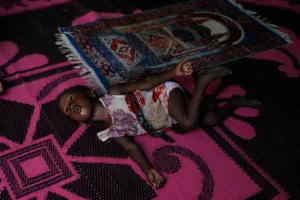
Health workers say such cases are becoming increasingly common. Clinics across northern Nigeria report that more children who had previously recovered from severe acute malnutrition are relapsing because families cannot consistently provide adequate food. Many households now survive on inexpensive staples such as pap and rice, with protein-rich and nutrient-dense foods becoming increasingly unaffordable.
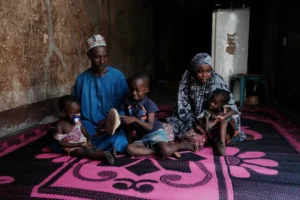
The crisis has been worsened by disruptions to global oil markets after fighting in the Middle East affected shipping routes and energy supplies. Higher fuel prices have increased transportation costs across Nigeria, making food, fertilizer and other essential goods more expensive. Analysts say these external shocks have compounded the country’s existing economic difficulties, including inflation following President Bola Tinubu’s fuel subsidy removal and currency reforms.
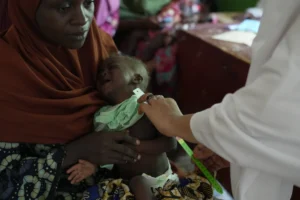
The impact is particularly severe in northwestern Nigeria, where communities are already struggling with insecurity from armed bandit attacks and limited access to farmland. Many families have lost livelihoods, while farmers are unable to cultivate enough crops because of violence and displacement, further reducing food availability.
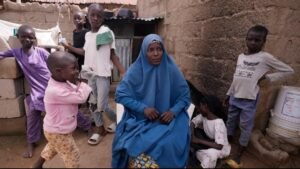
The United Nations Children’s Fund (UNICEF) has warned that the prolonged conflict could push 23.4 million additional children worldwide into poverty by the end of the year, with around 80% of those children living in Africa and Asia. Humanitarian agencies fear Nigeria could experience one of the most severe impacts because millions of children were already at risk before the latest economic shock.
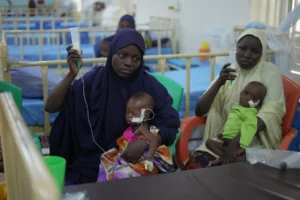
Nutrition specialists caution that prolonged malnutrition can have lifelong consequences, including stunted physical growth, weakened immune systems, impaired cognitive development and poorer educational outcomes. They say repeated relapses among young children make recovery more difficult and increase the risk of preventable deaths if adequate treatment and food support are not sustained.
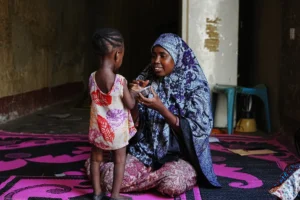
Aid organizations are calling for increased humanitarian assistance and stronger measures to stabilize food prices, warning that global conflicts are having devastating consequences far beyond the battlefield. They argue that unless economic conditions improve and vulnerable families receive additional support, more Nigerian children will face hunger, illness and diminished opportunities, despite living thousands of kilometres from the Middle East war that helped trigger the latest crisis.