
World News
Strategic Chokepoint Under Pressure as US-Iran Conflict Enters Dangerous New Phase

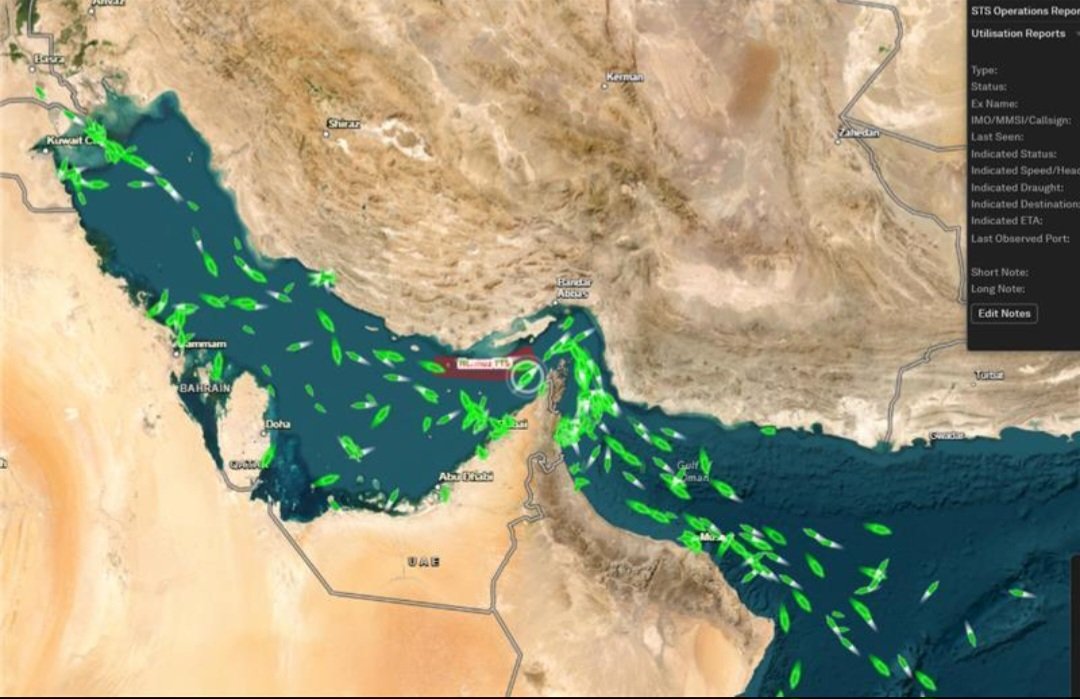
The confrontation between the United States and Iran over the strategically vital Strait of Hormuz is entering a dangerous new phase, as both sides harden their positions despite weeks of escalating military action. Analysts say the standoff is increasingly demonstrating the limits of air power in resolving a conflict centered on one of the world’s most important maritime chokepoints.
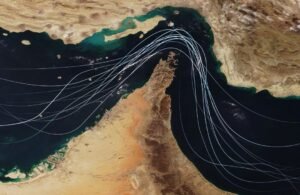
The Strait of Hormuz, a narrow waterway connecting the Persian Gulf to the Gulf of Oman and the Arabian Sea, carries roughly one-fifth of the world’s oil supplies and a significant share of global liquefied natural gas exports. Any disruption to shipping through the corridor has immediate implications for energy markets, global trade and regional security.
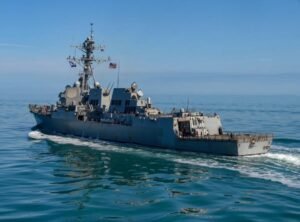
Recent weeks have seen an intensification of U.S. airstrikes targeting Iranian military infrastructure, missile sites, drone facilities and naval assets. Washington says the operations are intended to deter attacks on commercial shipping, protect allied forces and maintain freedom of navigation through international waters.
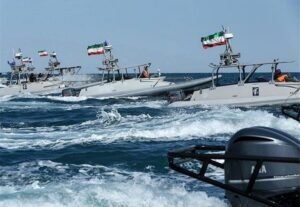
Iran, however, has shown little sign of retreating. Tehran has continued to deploy naval forces, missile batteries and drones around the Strait of Hormuz while warning that it possesses the capability to disrupt maritime traffic if its security interests are threatened. Iranian officials have repeatedly stated that military pressure will not force the country to alter its strategic posture.
Military experts note that while airstrikes can destroy equipment and degrade capabilities, they often struggle to eliminate dispersed missile systems, fast attack boats and mobile drone units that can be rapidly relocated. Iran’s strategy has long emphasized asymmetric warfare, relying on smaller, mobile and difficult-to-target assets rather than conventional military superiority.
The ongoing standoff has also raised concerns about the security of international shipping. Several commercial vessels have reported heightened security measures while insurers have increased risk assessments for ships operating in the region. Maritime analysts warn that even limited disruptions could have significant economic consequences given the volume of energy exports passing through the waterway.
Oil markets have reacted nervously to the crisis. Energy traders remain focused on the possibility of shipping interruptions, attacks on tankers or further military escalation. While global supplies have so far remained largely intact, analysts say the situation remains highly volatile and vulnerable to sudden developments.
The conflict has also highlighted broader questions about the effectiveness of air campaigns in achieving political objectives. Historical examples from the Middle East and elsewhere suggest that sustained aerial bombardment can weaken military capabilities but may not necessarily compel adversaries to change strategic behavior, particularly when national prestige and security concerns are involved.
Diplomatic efforts to reduce tensions have so far produced little progress. Regional governments and international organizations have urged restraint, warning that a broader conflict could destabilize the Middle East and disrupt global energy markets. Several countries dependent on Gulf energy exports have quietly intensified diplomatic contacts in hopes of preventing further escalation.
For Washington, maintaining open shipping lanes through Hormuz is viewed as a critical strategic objective. For Tehran, demonstrating that it can challenge U.S. pressure without surrendering influence in the Gulf has become equally important. These competing priorities have contributed to a standoff in which neither side appears willing to back down.
As military operations continue and tensions remain elevated, security analysts warn that the greatest risk may not come from a deliberate decision to expand the conflict, but from a miscalculation, accidental clash or unexpected incident in one of the world’s most heavily militarized waterways. With both nations dug in around the Strait of Hormuz, the crisis is increasingly becoming a test of endurance, strategy and international diplomacy.