
World News
Iran Targets US Bases Across Gulf as Washington Expands Strikes on Military Sites

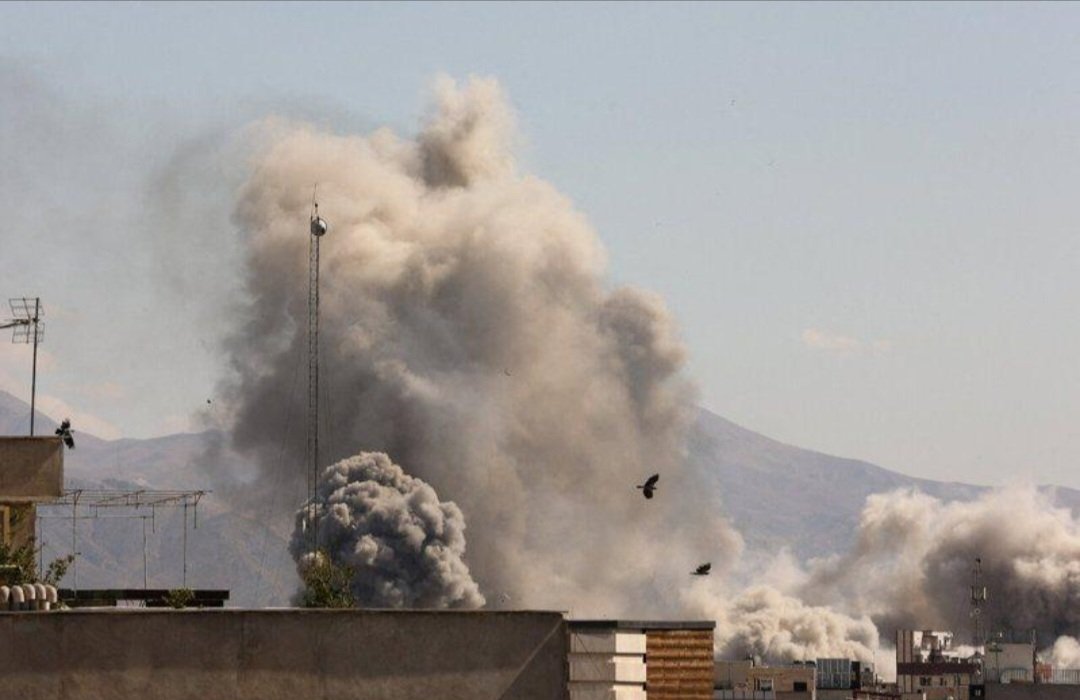
The military confrontation between Iran and the United States has intensified, with both sides launching fresh attacks that have expanded the conflict across the Gulf region and heightened fears of a broader regional war.
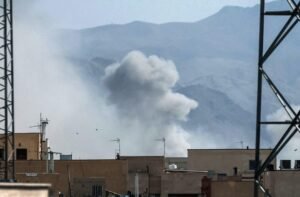
Iran carried out a series of missile and drone strikes targeting American military positions in Bahrain, Kuwait, Iraq and Jordan, while the United States responded with another wave of airstrikes against Iranian military installations, command centres and weapons infrastructure across several provinces. The latest exchanges mark one of the most serious escalations since hostilities resumed earlier this month.
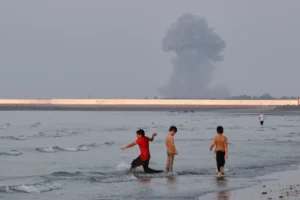
Iran’s Islamic Revolutionary Guard Corps (IRGC) said its latest operation was aimed at American military facilities that it accused of supporting attacks against Iranian territory.
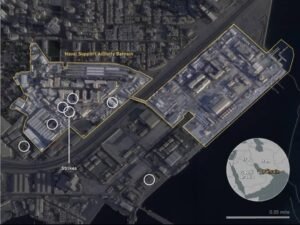
According to Iranian state media, the strikes targeted air defence systems, logistics hubs and military installations used by U.S. forces in Bahrain, Kuwait and Iraq. Drone attacks were also reported near the American base in Erbil, northern Iraq.
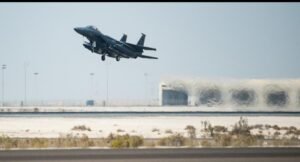
Authorities in Bahrain and Jordan said their air defence systems intercepted several incoming drones and missiles, while officials reported no immediate casualties. Damage assessments were still underway in some locations.
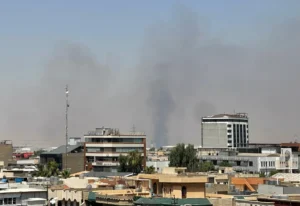
In response, the U.S. Central Command (CENTCOM) launched fresh strikes on multiple Iranian military targets.
American officials said the operation focused on command-and-control centres, drone facilities, missile launch infrastructure, coastal surveillance systems and military bases in Isfahan, Khuzestan, Fars Province and on Qeshm Island. Washington said the objective was to reduce Iran’s ability to threaten international shipping and launch further attacks on U.S. forces and allies.
The fighting continues to disrupt one of the world’s most strategically important waterways.
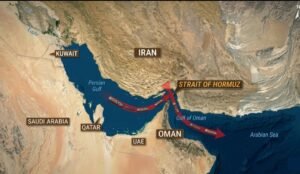
Iran has maintained restrictions around the Strait of Hormuz, through which roughly one-fifth of global oil supplies normally pass. The disruption has sent crude oil prices sharply higher, while insurers have increased premiums for ships operating in the Gulf.
At the same time, Iran-backed Houthi fighters in Yemen have continued attacks on commercial shipping in the Bab el-Mandeb Strait, raising concerns about the security of global energy supply routes.
Efforts by regional and international mediators to halt the fighting have so far failed to produce a breakthrough.
Iran has denied reports that it rejected a U.S.-backed ceasefire proposal, insisting it remains open to diplomacy but will continue responding militarily to what it describes as American aggression. Meanwhile, U.S. President Donald Trump has warned that any further attacks on American personnel will trigger an even stronger military response.
The conflict has inflicted a growing humanitarian and economic toll.
Iranian authorities say thousands of people have been killed or wounded since the conflict intensified, while thousands of commercial seafarers remain stranded because of the security situation in Gulf waters.
Financial markets have also reacted nervously, with investors closely monitoring developments as higher energy prices fuel concerns over inflation and global economic growth.
Military analysts warn that the continued cycle of retaliation increases the risk of drawing more regional actors into the conflict.
Although Israel has not played a direct role in the latest exchange, Israeli officials have indicated they remain prepared to resume operations against Iran if they believe new threats emerge. Meanwhile, Gulf states continue to strengthen security around key military installations and energy infrastructure as they brace for further attacks.