
World News
US Military Says It Fired on Another Merchant Vessel Trying to Breach Blockade of Iranian Ports

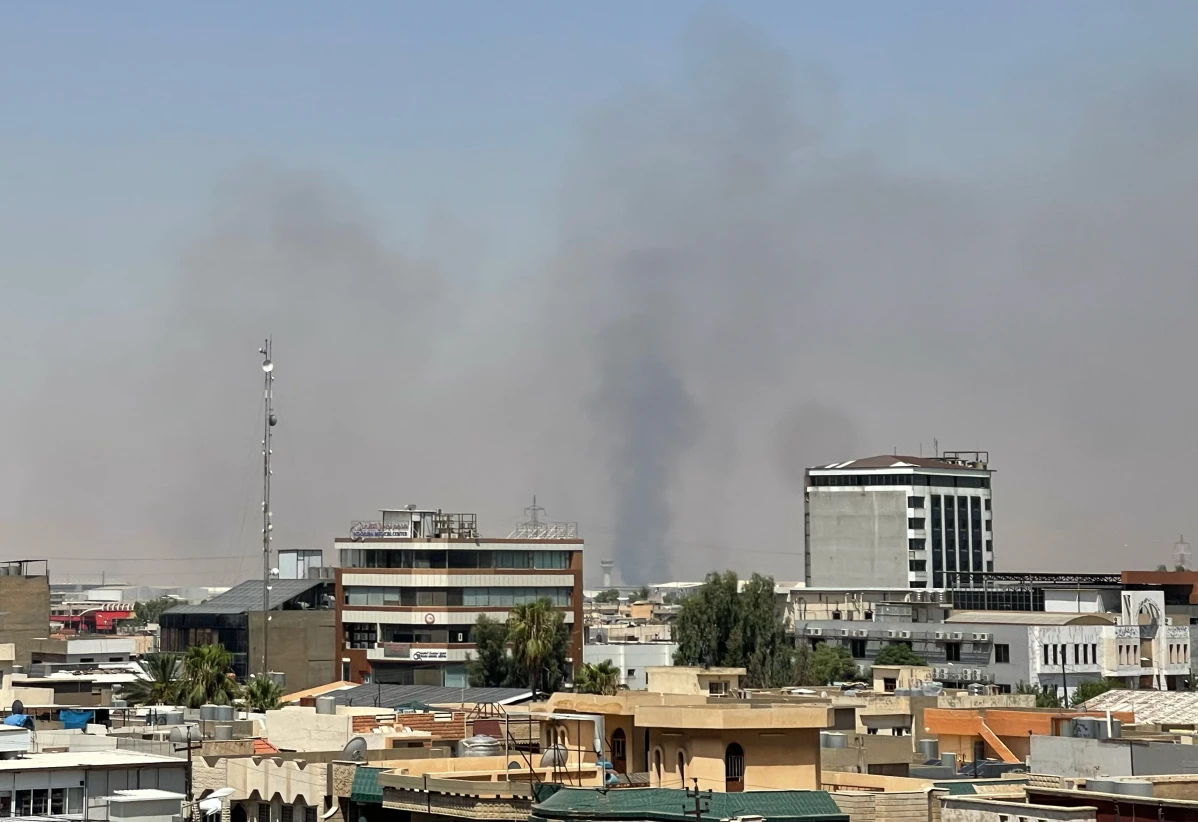
The United States military has announced that its naval forces fired on another merchant vessel allegedly attempting to breach the U.S.-enforced blockade of Iranian ports, marking the latest escalation in the rapidly worsening maritime confrontation between Washington and Tehran.
According to a statement from U.S. military officials, the vessel ignored repeated warnings and continued toward an Iranian port despite the blockade imposed as part of ongoing military operations against Iran. American forces said they employed what they described as graduated measures, including radio communications and warning shots, before opening fire on the ship.
The Pentagon has not immediately disclosed the vessel’s nationality, ownership or the extent of any damage sustained during the incident. It also remains unclear whether there were casualties among the crew.
The latest confrontation comes amid heightened military tensions across the Persian Gulf and the Strait of Hormuz, where the United States has expanded naval operations aimed at restricting Iranian maritime trade. Washington argues that the blockade is intended to weaken Tehran’s ability to finance military activities and limit the movement of strategic goods.
Iran has strongly condemned the U.S. blockade, describing it as illegal under international law and warning that continued interference with commercial shipping could provoke further retaliation. Iranian officials maintain that they have the right to conduct maritime trade through their ports and have accused Washington of increasing instability in one of the world’s most important shipping regions.
The incident follows several days of growing maritime tensions, including warnings issued by Yemen’s Iran-backed Houthi movement against vessels linked to countries supporting military operations against Iran. Shipping companies have responded by increasing security measures, rerouting some vessels and reassessing the risks of operating in Gulf waters.
Maritime analysts note that each new confrontation raises the possibility of a broader naval conflict. Commercial shipping through the Strait of Hormuz remains vital to global energy supplies, with around one-fifth of the world’s oil passing through the narrow waterway each day.
The latest exchange has also heightened concerns among insurers and energy traders. Insurance premiums for ships operating in the region have risen sharply, while global oil prices have climbed amid fears that further disruptions could affect crude exports from major Gulf producers.
International calls for restraint continue to grow. The United Nations and several governments have urged both the United States and Iran to avoid actions that could endanger civilian shipping or trigger a wider regional conflict. Diplomats warn that even a single miscalculation at sea could have significant military and economic consequences.
Military experts say enforcing a naval blockade against a major regional power carries substantial risks, particularly in heavily trafficked waterways where merchant vessels from dozens of countries operate daily. Identifying ships, confirming cargoes and distinguishing between civilian and military objectives require careful coordination to avoid unintended escalation.
As the conflict continues, commercial shipping operators remain on high alert, while global markets closely monitor developments in the Gulf. The latest incident underscores how quickly maritime confrontations can escalate and highlights the growing risks facing international trade as the U.S.-Iran conflict expands beyond airstrikes and into vital sea lanes.