
Business
Naira Strengthens Against Euro as CBN Policies Bolster FX Market Stability

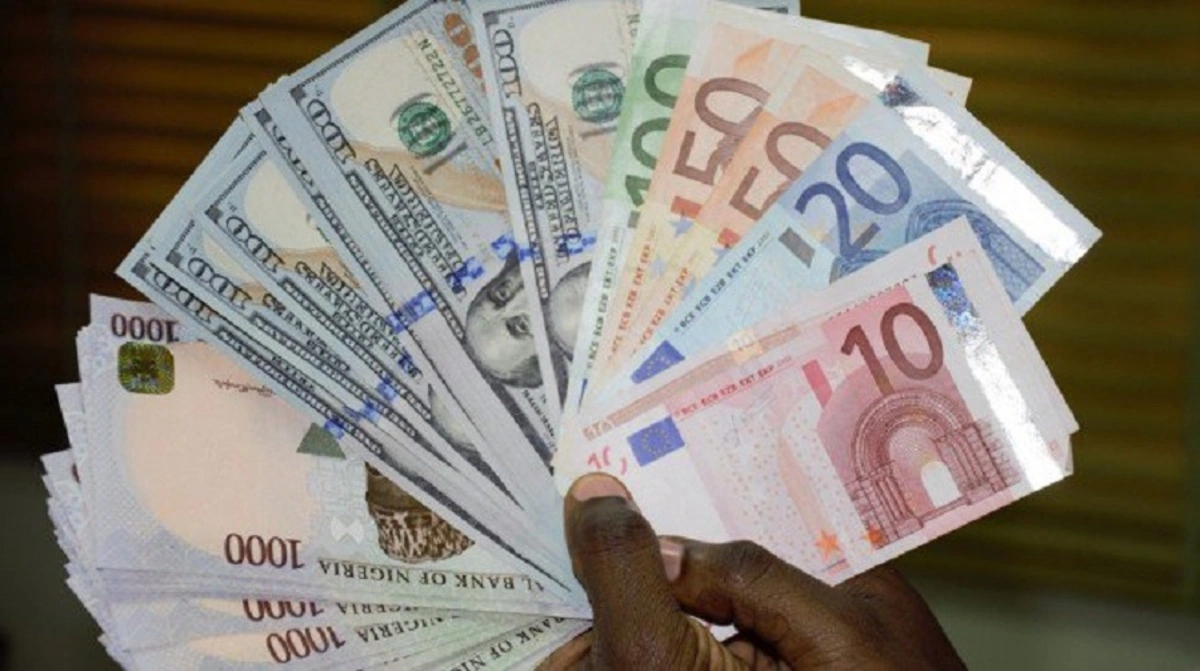
The naira appreciated against the euro at the official foreign exchange market on Wednesday, strengthening to N1,552/€1 from N1,563/€1 recorded last week, according to the latest data released by the Central Bank of Nigeria (CBN).


The local currency has continued to trade within the N1,550/€1 to N1,575/€1 range after retreating from highs of about N1,684/€1 seen earlier in the year, reflecting improved stability in the foreign exchange market.
Analysts attribute the relative stability of the naira to the CBN’s sustained tight monetary policy, including higher interest rates and measures aimed at reducing excess liquidity in the banking system. The apex bank’s prolonged policy tightening has helped ease inflationary pressures and reduce demand for foreign exchange.

The unification of Nigeria’s official foreign exchange windows and the settlement of outstanding FX obligations have also strengthened investor confidence and curbed speculative demand in the parallel market.
Despite the improved exchange rate performance, persistent inflation continues to weaken consumers’ purchasing power, limiting the naira’s prospects for stronger appreciation. However, stable inflows from crude oil exports and diaspora remittances have continued to support foreign exchange supply.

On the global front, the euro traded around $1.14 against the U.S. dollar during Wednesday’s European session as investors awaited the outcome of the U.S. Federal Reserve’s monetary policy meeting. Market participants are also monitoring developments in the Eurozone, where the European Central Bank (ECB) has reaffirmed its commitment to returning inflation to its 2 percent target.
Meanwhile, heightened geopolitical tensions in the Middle East and renewed concerns over U.S. trade policy have contributed to cautious market sentiment, while investors await inflation data from Germany and the broader Eurozone for further clues on the ECB’s next policy direction.
The naira’s recent performance suggests that ongoing monetary reforms by the CBN are beginning to restore confidence in Nigeria’s foreign exchange market, although inflation and global economic uncertainties remain key risks to sustained currency stability.