
International
Pentagon Fires Stars and Stripes Leaders After They Oppose Military Interference

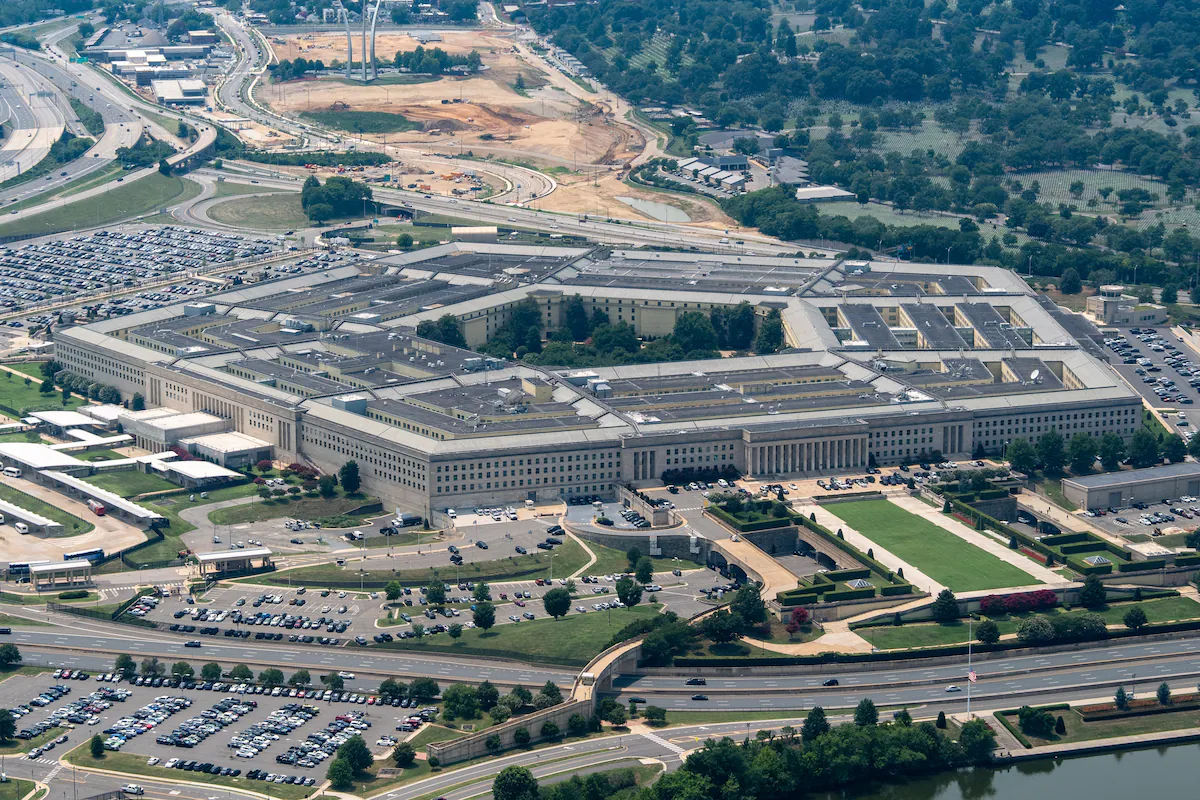
The Pentagon has dismissed the editor-in-chief, publisher and a senior reporter of Stars and Stripes, the U.S. military newspaper, after they publicly pushed back against potential interference by the Department of Defense in the publication’s editorial operations.
Editor-in-Chief Erik Slavin and Middle East reporter Lara Korte were notified of their dismissal on Friday, with the Pentagon citing “insubordination” as the reason, according to reports from the Associated Press and other media outlets. Publisher Max Lederer, who had announced his retirement only days earlier, was also removed before his planned departure.
The dismissals followed an interview with CBS in which Slavin and Korte defended the newspaper’s long-standing editorial independence and expressed opposition to any attempt by the military to control or censor its journalism.
Korte said she worked for Stars and Stripes, rather than the Pentagon, any administration or individual policymaker, while Slavin similarly argued that any attempt to interfere with the newspaper’s reporting would cross a line.
The newspaper, which has covered the U.S. military for more than a century, is funded by the Department of Defense but has historically maintained editorial independence. Its role has been to provide news and information to American service members and their families around the world.
The latest confrontation comes after months of tensions between the Pentagon and Stars and Stripes.
Earlier this year, Pentagon officials announced plans to overhaul the publication and said its coverage should focus more heavily on military matters, including warfighting, weapons systems, fitness, lethality and survivability. Officials also criticised what they described as “woke distractions” in the newspaper’s coverage.
Those plans sparked concerns among journalists and press-freedom advocates that the Defense Department was seeking greater control over a publication that, despite receiving government funding, has traditionally operated with editorial independence.
Lederer, who had been associated with Stars and Stripes for more than three decades and served as publisher since 2007, had announced his retirement shortly before the latest dismissals. Reports said he had disagreed with Pentagon officials over the future direction of the newspaper.
The Pentagon has confirmed the separation notices but has not provided extensive details about the circumstances surrounding the dismissals. The affected employees have been given an opportunity to appeal the decisions.
The National Press Club has condemned the dismissals, describing them as troubling developments for press freedom. The episode has also renewed broader concerns about the relationship between the Trump administration and the U.S. media, particularly amid other disputes involving major news organisations and restrictions on Pentagon press access.
The controversy now places Stars and Stripes at the centre of a wider debate over whether a government-funded military publication can maintain independent journalism while operating under the authority of the Defense Department.
For American troops who rely on the newspaper for military news and information, the dispute could have significant implications for the future editorial direction of one of the country’s most distinctive military news organisations.