
International
US Democrats Announce 12 Presidential Debates Ahead of 2028 Election, Introduce New Campaign Rules

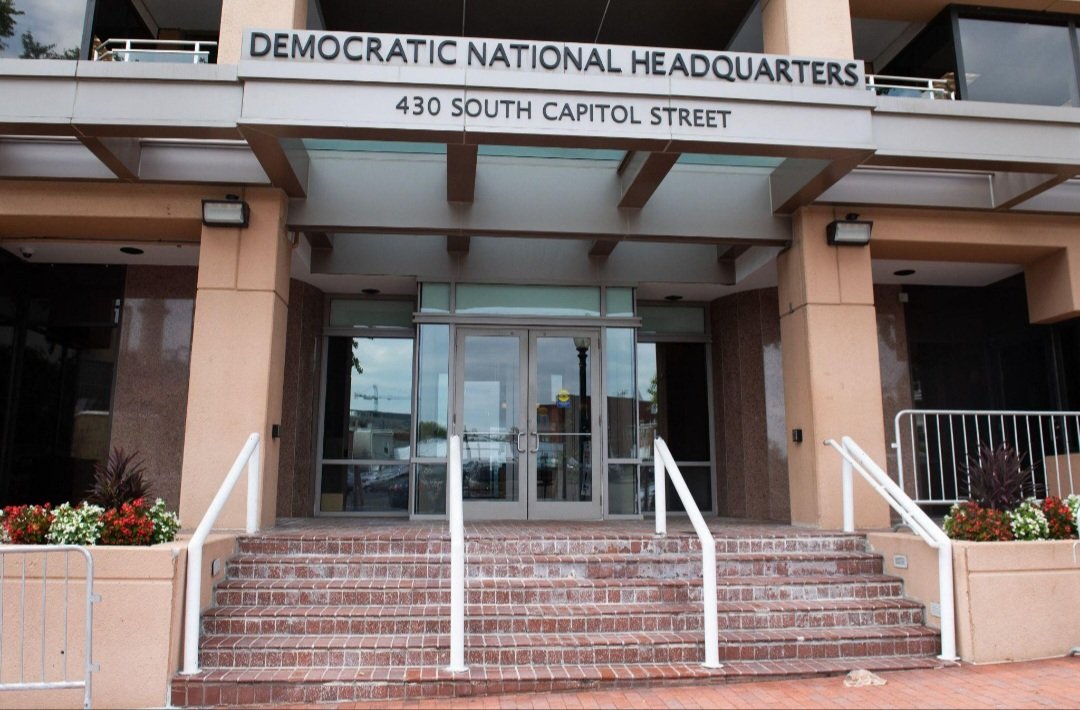
The Democratic National Committee (DNC) has announced plans to hold 12 presidential primary debates ahead of the 2028 United States election, introducing new campaign rules aimed at limiting undisclosed political spending and ensuring fairness among candidates.
The party said on Monday, November 23, 2026, that five debates would take place in 2027, with the first scheduled for June and the second in July, while seven additional debates would be organised in 2028.
The final debate is expected to take place in March 2028, although the committee said the schedule could be adjusted depending on developments in the presidential nomination process.
The announcement marks an early step towards the next presidential election, as Democrats prepare for an open contest to select a candidate to succeed Republican President Donald Trump, who will be constitutionally barred from seeking another term.
One of the most significant aspects of the new framework is a requirement that candidates sign a Fair Campaign Practices Pledge, committing them to denounce so-called dark money spending on their behalf.
Dark money refers to political spending by organisations that are not required to publicly disclose the identities of their donors, raising concerns about the influence of wealthy individuals and special interests on elections.
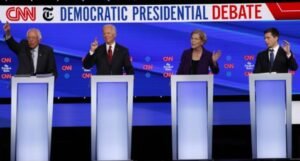
The DNC said candidates must also agree not to participate in unofficial events featuring two or more presidential contenders appearing together and answering questions, whether in person or virtually.
Those who participate in such unsanctioned debates risk being excluded from subsequent official DNC debates.
Candidates will also be required to meet polling and grassroots fundraising thresholds to demonstrate sufficient public support. However, the specific qualification requirements for the first two debates have not yet been announced.
The party said further details, including debate dates, locations, media partners and qualification standards, would be released in January 2027.
Anticipating a potentially large field of presidential hopefuls, the DNC has made provisions for some early debates to be organised over two consecutive nights.
Under the framework, no more than 20 candidates will be permitted to participate across both nights, with qualifying contenders randomly assigned to each session to ensure fairness.
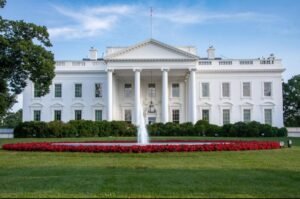
The party also confirmed that six early-state debates will take place in 2028, covering South Carolina, Nevada, New Hampshire, New Mexico, Michigan and Virginia.
DNC Chairman Ken Martin said the process was designed to strengthen the party and prepare its eventual nominee for the general election.
In a statement, Martin said the transparent process and experienced leadership team would help keep Democrats united and position the party to reclaim the White House.
The debate planning committee will be led by Minyon Moore, the DNC’s senior adviser for debates, alongside executive director Roger Lau. It will also include experienced operatives and former campaign staff associated with previous Democratic presidential campaigns.
The new debate framework follows the party’s last open presidential nomination contest in 2020, when Democrats organised 11 debates amid a crowded field of candidates seeking to challenge Trump in that year’s election.
The 2028 contest is also expected to attract several prominent Democratic figures, although no major candidate has formally launched a presidential campaign.
Among politicians frequently discussed as potential contenders are California Governor Gavin Newsom, Pennsylvania Governor Josh Shapiro, Maryland Governor Wes Moore and Kentucky Governor Andy Beshear.
The new rules are expected to shape how candidates organise their campaigns, raise funds and compete for national attention as the party prepares for another closely watched presidential race.
With the first debate scheduled for June 2027, Democrats are moving to establish the rules of engagement well ahead of the next presidential election.