
International
Mexican Journalist Who Reported On Missing Persons Found Dead In Acapulco

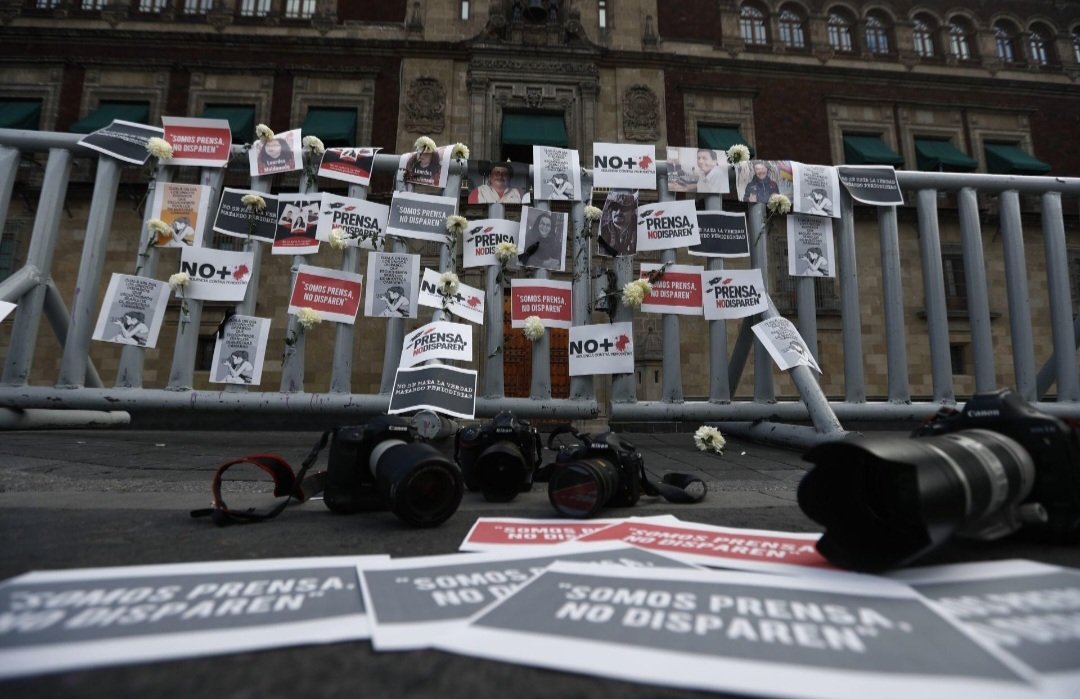
A Mexican journalist known for reporting on missing persons, security and social issues has been found dead in the coastal city of Acapulco, prompting authorities to launch a murder investigation.
The journalist, identified as Eduardo Flores Salado, was discovered dead on Saturday night, November 14, in the Canuto Nogueda neighbourhood on the outskirts of Acapulco, in Guerrero state.
Flores, popularly known among colleagues as “Lalito”, worked with local news organisation Enfoque Informativo and had more than 18 years of experience in journalism, according to Mexican media reports.

His body was reportedly discovered with injuries to the neck, while local reports indicated that he may have been strangled. Authorities have not officially established the precise circumstances surrounding his death.
The Guerrero State Attorney General’s Office confirmed that it had opened an investigation into aggravated homicide following the discovery.
Investigators and forensic personnel have commenced inquiries to establish what happened and identify those responsible. No arrests had been announced as of the latest reports.
Enfoque Informativo condemned the killing, describing it as an attack not only on a colleague and friend but also on freedom of expression.
The media organisation vowed to continue its reporting work, saying Flores’ determination and professional ethics would remain an inspiration to its journalists.
The killing has drawn renewed attention to the dangers faced by reporters in Mexico, particularly those covering organised crime, violence and the disappearance of people.
According to international press freedom organisation Article 19, 181 journalists have been killed in Mexico since 2000, with six cases documented in the first seven months of 2026.
Many of the attacks have occurred in regions where organised criminal groups maintain significant influence, while a large number of journalist murders remain unresolved.
The Committee to Protect Journalists and other press freedom organisations have repeatedly raised concerns about violence, threats and intimidation against media workers in the country.
Flores’ death also follows the killing of Roxana Guzman, a journalist who headed the crime news outlet Pulso Informativo del Sureste in Veracruz. She was abducted in June, and her remains were discovered approximately a month later.
Mexico continues to be regarded as one of the world’s most dangerous countries for journalists, with reporters covering crime, corruption and missing persons particularly vulnerable to attacks.
Authorities have yet to establish whether Flores was killed because of his journalism, and investigators are expected to examine the circumstances and possible motives behind the murder.