
International
Trump Administration Blames Overloaded Systems for Nationwide US Flight Disruption

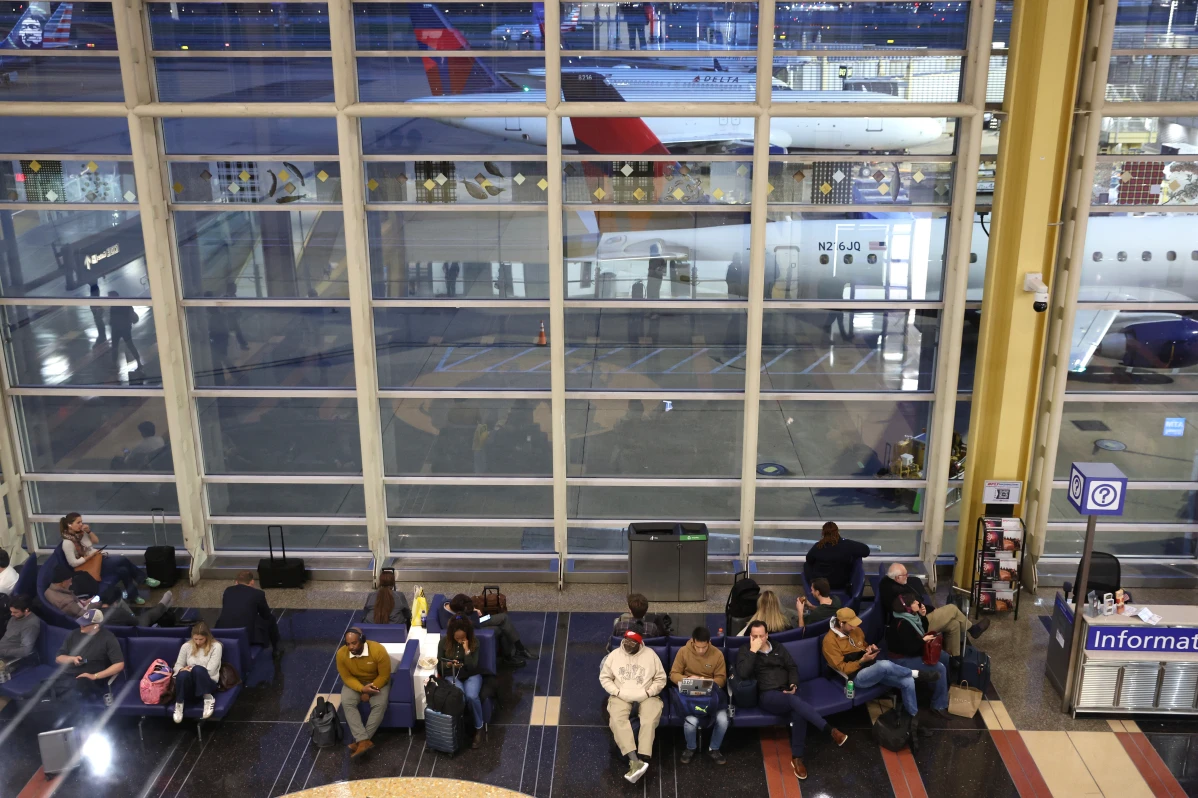
The administration of US President Donald Trump has blamed ageing and overloaded air traffic control systems for a nationwide flight disruption that forced the Federal Aviation Administration (FAA) to temporarily ground departing aircraft across the United States.
The ground stop, which lasted approximately five hours on Friday, November 13, was lifted later in the evening, allowing airlines to gradually resume departures after communication failures disrupted operations at air traffic control centres nationwide.
US Transportation Secretary Sean Duffy said the problem was linked to outdated equipment, including switches and routers that became overwhelmed by data, resulting in inconsistencies in information transmitted across the aviation network.
Speaking alongside Homeland Security Secretary Markwayne Mullin at the White House, Duffy explained that instability affecting radar and communication systems forced authorities to suspend departures as a precaution.

Mullin said the introduction of some new technology into the country’s ageing air traffic control infrastructure may have contributed to the problem, although officials were still investigating the precise cause.
He also said there was no evidence at the time to suggest that the disruption resulted from a cyberattack.
The FAA had earlier ordered a nationwide ground stop, citing extraordinary circumstances and safety concerns after communication problems affected multiple Air Route Traffic Control Centres.
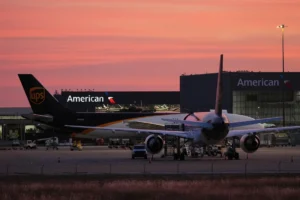
Although aircraft already airborne were allowed to continue towards their destinations, departing flights were temporarily suspended while officials worked to restore reliable communication between controllers and pilots.
According to the Associated Press, more than 3,000 aircraft were safely brought to the ground during the disruption, while at least 827 flights were diverted.
The incident affected potentially more than 1.5 million travellers, with thousands of flights delayed or cancelled. Flight-tracking figures reported by ABC News showed nearly 5,000 cancellations during the disruption.
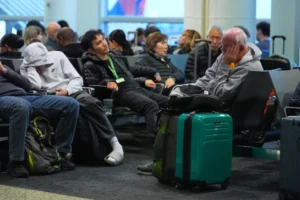
Despite the FAA lifting the restriction, aviation operations were not expected to return to normal immediately, as aircraft and flight crews had been displaced across different airports.
Several major airlines warned passengers to expect further delays and cancellations as they worked to reorganise their schedules.
The disruption also affected international travel, with European aviation authorities suspending US-bound departures at the FAA’s request.
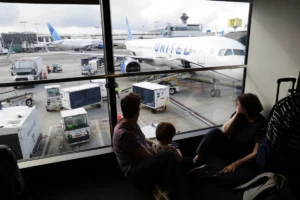
The incident has renewed concerns about the condition of America’s aviation infrastructure, particularly the technology used to coordinate air traffic across the country.
The US government has been pursuing a major modernisation programme to replace ageing communication equipment, including outdated copper telephone lines and radio systems used by air traffic controllers.
Congress approved $12.5 billion for the modernisation programme last year, but Duffy has argued that additional funding of about $30 billion will be required to complete the overhaul.
The transportation secretary urged lawmakers to provide more funding, warning that the country’s ageing infrastructure could remain vulnerable to further disruptions.
The FAA’s nationwide shutdown was the most extensive interruption of its kind since January 2023, when a computer system failure forced the agency to temporarily suspend domestic departures.
While Friday’s disruption did not result in reported aircraft accidents, it exposed the potential consequences of failures in systems responsible for maintaining communication and coordination across one of the world’s busiest aviation networks.