
International
Iran Strikes Bahrain as Houthi Rebels Gain Ground After Yemeni Forces Retreat

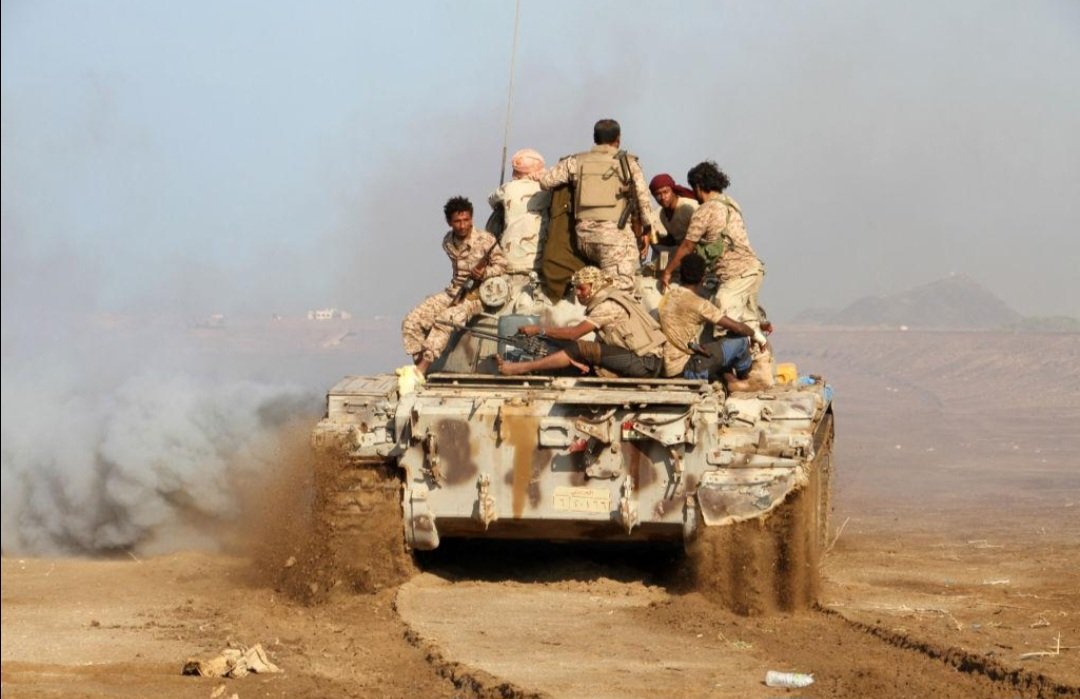
Tensions across the Middle East intensified on Sunday, November 15, 2026, as Saudi-backed forces fighting Yemen’s Houthi rebels withdrew from strategic positions near the Bab el-Mandeb Strait, while Iran launched fresh drone attacks targeting US military installations in Bahrain.
The developments have raised fresh concerns about regional security, the stability of international shipping routes and the possibility of a wider escalation involving Iran, the United States and their Gulf allies.

In Yemen, forces supporting the internationally recognised government announced their withdrawal from the Bab el-Mandeb area, including positions around Dhubab Airport in western Taiz Governorate, citing the need to reinforce the defence of Aden, the country’s temporary seat of government.
The withdrawal represents a significant setback for the Saudi-backed campaign to reclaim coastal territories from the Houthis, an Iran-aligned armed group that has expanded its control along Yemen’s Red Sea coastline in recent months.
The government-aligned forces had launched a counteroffensive in October, retaking several strategic positions around the strait. However, the campaign failed to completely dislodge Houthi fighters from the area, while renewed fighting and advances in other parts of the country placed additional pressure on government forces.
Yemeni military sources said some of the withdrawing troops had been redeployed towards al-Suqyah, south of Dhubab, approximately 150 kilometres west of Aden.
The Houthi advances have also heightened concerns over the security of the Bab el-Mandeb Strait, one of the world’s most important maritime chokepoints, linking the Red Sea to the Gulf of Aden and providing a vital passage for commercial vessels travelling between Asia and Europe through the Suez Canal.
The development is particularly significant as Iran continues to disrupt maritime traffic around the Strait of Hormuz, raising concerns that instability around both waterways could further threaten international trade and energy supplies.
Meanwhile, Bahrain reported intercepting fresh Iranian aerial attacks on Sunday, following renewed military tensions between Tehran and Washington.
Iran’s Islamic Revolutionary Guard Corps (IRGC) claimed it launched six drones targeting a US military installation in Bahrain, describing the operation as retaliation for what it called hostile American actions.
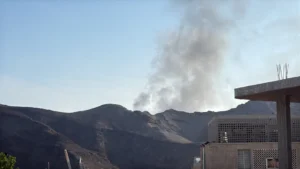
Bahrain’s authorities said their air defence systems intercepted and destroyed the incoming threats before they reached their intended targets. Residents were also advised to remain calm and move to safe locations during the security alert.
The latest attacks come as Bahrain continues to host the headquarters of the US Navy’s Fifth Fleet, making the Gulf kingdom a strategically important location for American military operations in the region.
The renewed confrontation has raised concerns about a possible breakdown of the fragile calm between Iran and the United States, particularly as diplomatic efforts to resolve the conflict remain stalled.
The wider crisis has also affected neighbouring Gulf countries, with Saudi Arabia reporting the interception of ballistic missiles and drones allegedly launched by Houthi fighters.
In Yemen, the consequences of the renewed fighting have extended beyond military positions. Humanitarian conditions have deteriorated in Taiz, where the Houthi siege has restricted the movement of civilians and prevented aid supplies from reaching affected communities.
About 300,000 people have been displaced across Yemen by the latest fighting, according to reports cited by Reuters.
With Houthi forces strengthening their positions along the Red Sea coast and Iran renewing attacks on US-linked military installations in the Gulf, Sunday’s developments underscore the growing interconnectedness of the conflicts threatening stability across the Middle East.