
World News
Trump’s Iran War Goals Remain Unfulfilled Six Months Into Conflict

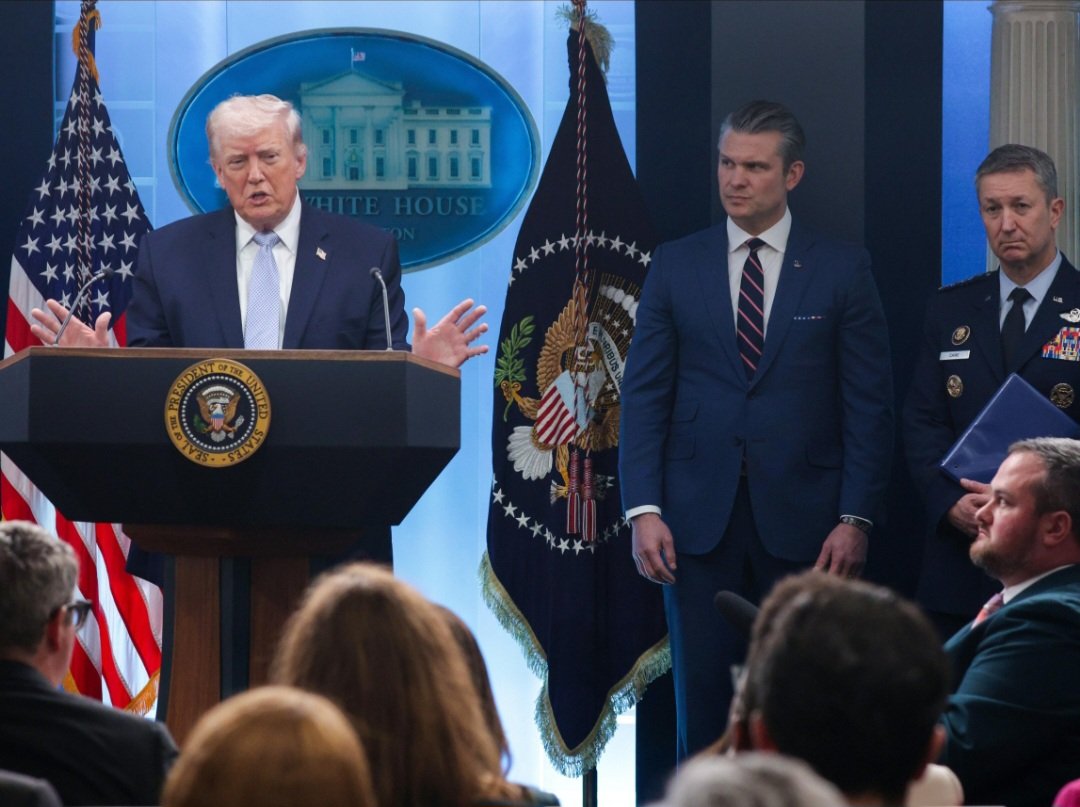
Six months after the Trump administration launched its war against Iran, several of the objectives originally set out by Washington remain unresolved, raising fresh questions about the effectiveness and long-term direction of the conflict.
Speaking on the Reuters World News podcast, Reuters journalist Don Durfee said the Trump administration entered the war with a specific set of objectives but that “none of those have been fully achieved.”
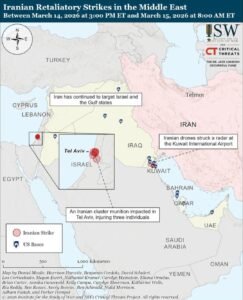
The assessment comes as the conflict enters its sixth month with no clear end in sight. What began as a military campaign intended to rapidly weaken Iran has evolved into a prolonged confrontation involving military strikes, sanctions, economic pressure and efforts to reopen the strategically vital Strait of Hormuz.
President Donald Trump and senior members of his administration gave several explanations for the campaign, including preventing Iran from developing a nuclear weapon, destroying its ballistic missile capabilities, weakening its military and reducing its support for armed proxy groups.

Regime change also emerged as an objective during the early stages of the conflict, although Trump’s administration has offered shifting explanations about how far Washington intended to go in pursuing it.
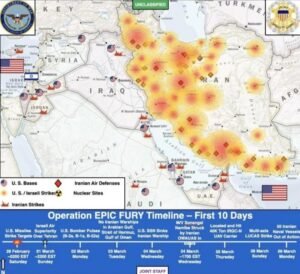
The initial U.S.-Israeli assault inflicted enormous damage on Iran’s military infrastructure and killed Supreme Leader Ayatollah Ali Khamenei. Washington subsequently claimed significant military successes, including severe damage to Iran’s missile and nuclear capabilities.
But the Iranian government survived.
One of the clearest indications that the campaign has not achieved all of its stated objectives is the continued survival of Iran’s political system.
A Reuters analysis published this week described the conflict as having reached a “costly stalemate”, with Iran’s government still in power despite the military campaign, sanctions and economic pressure.
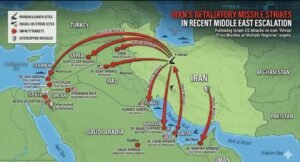
The Associated Press similarly reported that Iran’s leadership has endured the assault and has consolidated its position in some areas, while the conflict has created new strategic complications for Washington and its regional allies.
Preventing Iran from obtaining a nuclear weapon has consistently been one of Trump’s principal stated objectives.
However, questions remain about whether military strikes can permanently eliminate Iran’s nuclear capabilities. Damage to nuclear facilities does not necessarily eliminate the country’s technical knowledge or ability to rebuild parts of its programme.
Trump’s administration has continued to demand guarantees that Iran will not develop a nuclear weapon, while Tehran has resisted Washington’s demands.
Another major complication has been the Strait of Hormuz, one of the world’s most important energy routes.
Iran’s ability to disrupt shipping through the strait has given Tehran significant leverage despite the damage inflicted on its military.
Recent developments suggest the United States has made progress in restoring commercial traffic, with American officials saying U.S. forces have gained greater control of the waterway. However, oil shipments remain below pre-war levels and the situation remains fragile.
With the military campaign failing to produce a definitive end to the conflict, the Trump administration has increasingly turned towards economic warfare.
Washington has imposed additional sanctions and sought to pressure countries and companies doing business with Iran. Trump has warned that Tehran faces the choice of reaching an agreement or suffering further economic and military pressure.
The strategy has yet to force Iran into accepting Washington’s demands.
The conflict has therefore moved far beyond the short campaign Trump initially appeared to envisage. Reuters reported that the war, once expected by the president to last only weeks, has instead continued for months and is now affecting U.S. foreign policy, energy prices and domestic politics.
The assessment that Trump’s goals remain incomplete highlights the central dilemma facing the administration: how to end a war that has inflicted substantial damage on Iran without producing the decisive political outcome Washington sought.
Trump has alternated between declaring military success, threatening further attacks, pursuing negotiations and imposing economic sanctions.
As the conflict continues, the administration faces pressure to demonstrate that the enormous military and economic costs of the campaign have produced lasting strategic gains.
For now, however, Iran’s government remains in place, negotiations have yet to deliver a comprehensive settlement, and the nuclear, missile and regional security questions that helped trigger the conflict remain unresolved.