
International
Mistrial Declared in Lindsay Clancy Child-Killing Case After Jury Deadlocks

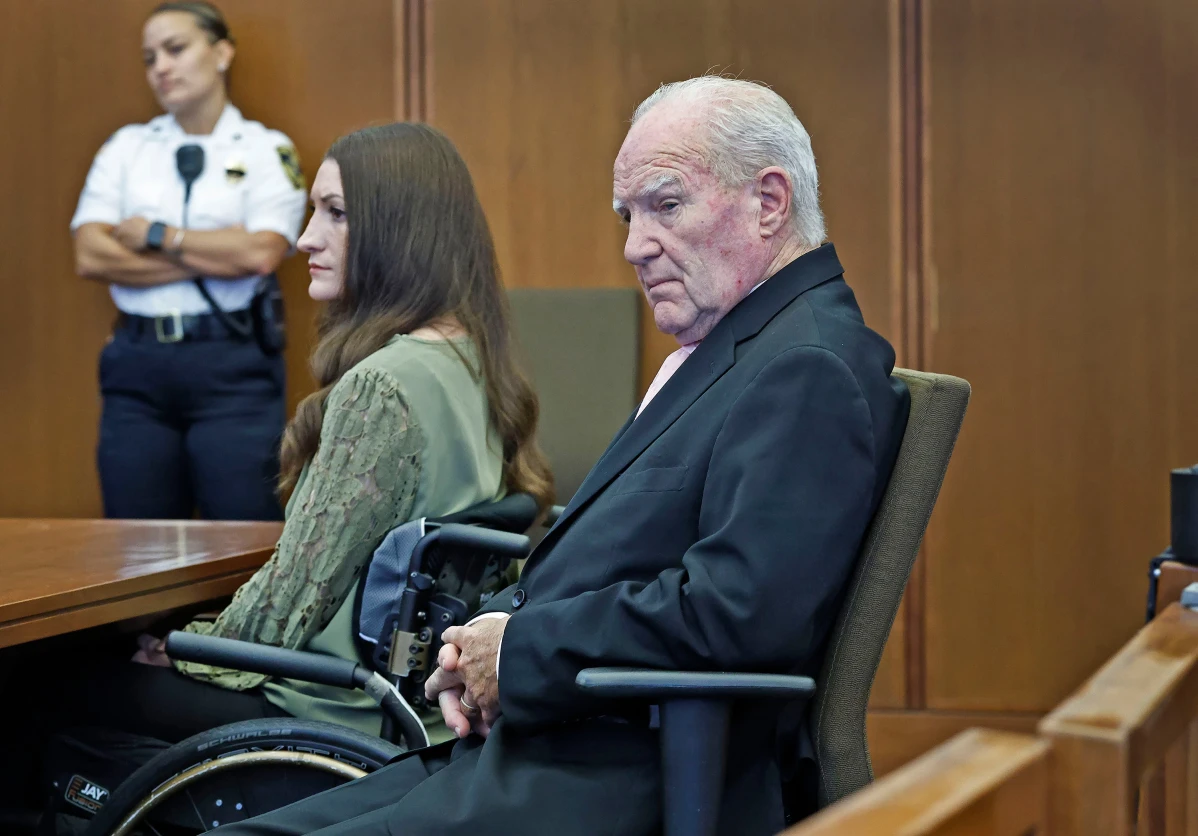
A mistrial has been declared in the closely watched case against Lindsay Clancy after a Massachusetts jury failed to reach a unanimous verdict over whether she was criminally responsible for the 2023 deaths of her three young children.
The decision came Friday after seven days of jury deliberations and more than 38 hours of discussions. The jury had repeatedly told Judge William Sullivan that it could not agree on a verdict.
The mistrial brings an end to a trial that lasted nearly six weeks but leaves the case unresolved. Prosecutors must now decide whether to seek a new trial, pursue a plea agreement or take another course.
The deadlock intensified Thursday after the jury’s foreperson reportedly informed the court that one juror was refusing to follow the judge’s instructions concerning reasonable doubt.
Clancy’s defence attorney, Kevin Reddington, asked Judge Sullivan to remove the juror, arguing that the holdout was preventing the panel from reaching a verdict.
The judge declined to remove the juror. Instead, he questioned jurors individually and reminded them of their obligation to follow his instructions before sending them back to deliberate.
When the jury returned Friday and again reported that it could not reach a unanimous decision, Sullivan moved toward declaring a mistrial.
Before the mistrial was formally finalised, Reddington sought an emergency intervention from the Massachusetts Supreme Judicial Court, asking for more time for the jury to continue deliberating.
Judge Sullivan temporarily delayed the declaration to allow the defence to make its appeal. The state’s highest court ultimately rejected the emergency request, clearing the way for the mistrial to proceed.
The development means there will be no verdict in the first trial.
Clancy, a 36-year-old former labor and delivery nurse from Duxbury, Massachusetts, faced three first-degree murder charges over the deaths of her children, Cora, 5, Dawson, 3, and Callan, 8 months, in January 2023.
The central issue at trial was not whether Clancy killed the children. Her defence acknowledged that she strangled them but argued that she was suffering from severe postpartum psychosis and was therefore not criminally responsible for her actions.
Her attorneys presented evidence that she experienced delusions and hallucinations and argued that inadequate psychiatric treatment contributed to her condition.
Prosecutors presented a different account, arguing that Clancy deliberately killed the children and understood the nature and consequences of what she was doing.
A mistrial does not mean Clancy has been acquitted.
The case essentially returns to the position it was in before the trial, and prosecutors can seek to put her before another jury. A retrial would require a new jury-selection process and another trial.
Prosecutors could also explore a plea agreement or, although considered less likely, decide not to pursue another trial.
If a future jury finds Clancy criminally responsible for first-degree murder, she could face a mandatory life sentence. If she is found not criminally responsible because of mental illness, Massachusetts law provides for commitment to a psychiatric facility rather than an ordinary criminal sentence.
The Clancy case has attracted widespread attention because of its intersection of criminal law, maternal mental health and postpartum psychiatric illness.
The trial featured testimony from more than 80 witnesses and deeply emotional accounts from family members, mental-health experts and investigators.
For now, however, the courtroom drama has ended without the definitive answer the jury was asked to provide.
The mistrial leaves Lindsay Clancy facing the possibility of a second trial, while the deaths of her three children continue to raise difficult questions about mental illness, medical care and criminal responsibility.